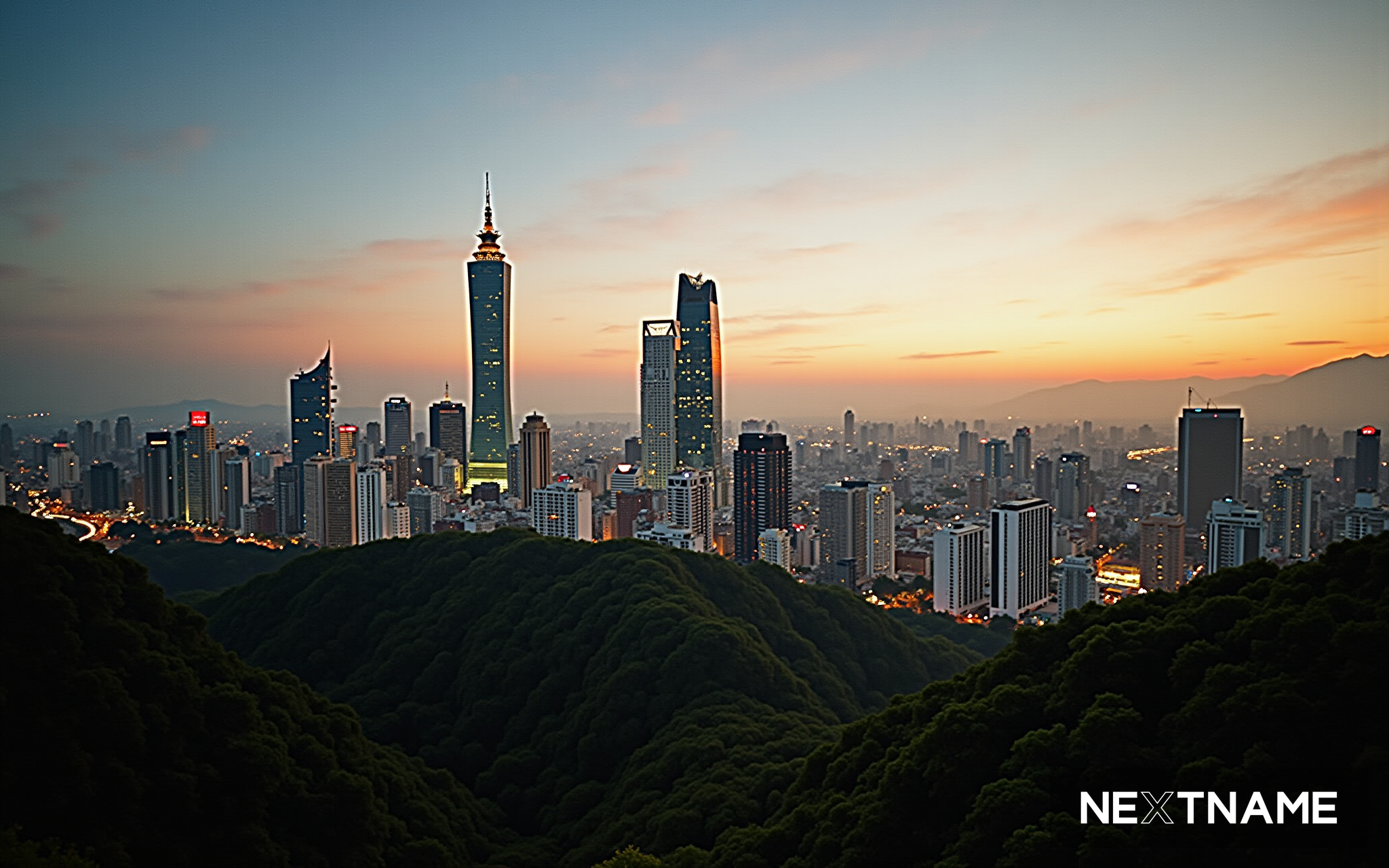
Taipei feels like a city that’s learned to keep its feet on the ground while its head is always looking up. In the morning you can sip a cheap (NT$30) cup of coffee in the leafy lanes of Da’an, then hop on the MRT to Ximending and watch the street performers spin fire while you bite into a warm, pork‑filled xiao long bao for about NT$70. The food scene is the real draw: a bowl of beef noodle soup in the historic Ningxia Night Market will set you back roughly NT$120, and the night market itself is a maze of stalls selling everything from crispy fried chicken cutlet to sweet‑scented pineapple cake—both of which you can grab for under NT$50. If you’re into culture, Longshan Temple’s incense‑filled courtyard offers a quiet contrast to the neon glow of nearby Yongkang, while a short 20‑minute ride up Elephant Mountain gives you a postcard view of Taipei 101 that’s worth the sweat.
Who ends up falling for Taipei? Anyone who likes to wander without a rigid itinerary and who doesn’t mind mixing a museum visit with a midnight snack of stinky tofu. The vibe is relaxed yet electric—locals are friendly, the public transport is clean and punctual, and you can go from a sleek skyscraper lobby to a bustling night market in under half an hour. If you prefer orderly, polished destinations, you might find the city’s mix of old temples and neon a little chaotic, but for those who enjoy a little mess and a lot of flavor, Taipei delivers a straightforward, no‑frills experience that feels both familiar and refreshingly different.
Sightseeing
- Chiang Kai‑shan Memorial Hall – Grand marble complex with changing‑of‑the‑guard ceremony; great for photos of the plaza and the surrounding gardens. $12 USD | 1 hour
- Elephant Mountain Trail – Short hike up a well‑marked path that rewards you with a panoramic view of Taipei 101 and the city skyline at sunset. $0 USD | 1.5 hours
Food & Drink
- Ay‑Chung Flour‑Rice Noodle (Raohe Street Night Market) – Famous chewy noodle soup served in a bustling night‑market stall; expect a line but it moves fast. $3 USD | 30 min
- Din Tai Fung – Xinyi Branch – World‑renowned xiao long bao (soup dumplings); the pork filling is consistently perfect, and the service is quick despite the crowds. $10 USD | 1 hour
- Ningxia Night Market – Oyster Omelette – Thin, crispy omelette packed with fresh oysters and sweet sauce; a must‑try for savory lovers. $2 USD | 30 min
Outdoor Nature
- Dahu Park (Da’an Forest Park) – Lush green oasis in the heart of the city with a lake, walking trails, and plenty of shade; ideal for a relaxed stroll. $0 USD | 1 hour
- Shifen Waterfall (Day Trip) – Taiwan’s “Niagara” tucked in a narrow gorge; you can walk behind the curtain of water and snap photos from the viewing platform. $15 USD (transport) | 4 hours
Nightlife
- Bar Mood (Ximending) – Hip rooftop bar with craft cocktails and a view of the pedestrian street below; perfect for a nightcap after exploring the night market. $8 USD per drink | 1 hour
- Karaoke City (Zhongzheng) – All‑night private rooms where you can belt out Mandarin pop hits; the sound system is top‑notch and the snack menu is surprisingly affordable. $6 USD per hour | 2 hours
Cultural
- Longshan Temple – Historic Buddhist temple in the Bangka district; watch locals light incense and perform traditional prayers. $0 USD | 45 min
- Dadaocheng Historic Area – Preserved tea houses and old‑world architecture; stop by Yamazaki Tea House for a quiet tea ceremony with locally sourced oolong. $5 USD | 1 hour
Day Trip
- Jiufen Old Street – Charming mountain town with narrow alleys, lantern‑lit shops, and the famous A-Mei Tea House; the view of the coastline is worth the bus ride. $20 USD (round‑trip bus) | 6 hours
All costs are approximate and based on 2025 USD exchange rates. Times include travel to and from the site, not counting meals or optional extras.
Hotel 1000 Taipei – Xinyi – $70‑$100 – Quiet rooms, easy MRT access, great for solo travelers watching the budget.
CityInn Hotel Taipei – Zhongzheng – $80‑$110 – Simple clean rooms, rooftop bar, short walk to Chiang Kai‑shek Memorial Hall.
The Narcissus Hotel – Da’an – $130‑$180 – Stylish boutique vibe, rooftop pool, close to Yongkang Street food stalls.
Hotel Proverbs Taipei – Ximending – $150‑$210 – Vibrant design, walking distance to night market, friendly staff.
The Grand Hyatt Taipei – Xinyi – $300‑$460 – Spacious suites, sky‑level pool, steps from Taipei 101 and upscale shopping.
The Four Seasons Hotel Taipei – Zhongzheng – $520‑$720 – Impeccable service, spa garden, river views, perfect for a luxe stay.
Getting to Taipei – the practical rundown
1. The airport you’ll actually land in
- Taiwan Taoyuan International Airport (TPE) – IATA: TPE. It’s the main gateway, about 40 km southwest of downtown.
- Songshan Airport (TSA) – IATA: TSA. A smaller, downtown‑adjacent field that mostly handles domestic flights and a few short‑haul international routes. If you’re coming from Hong Kong, Shanghai or other nearby cities, you might touch down here and hop on the MRT straight into the city.
2. How long does the flight usually take?
| From (major hub) | Typical nonstop time | Typical airline |
|---|---|---|
| New York (JFK/EWR) | 15–16 h | China Airlines, EVA Air, United |
| London (LHR) | 12–13 h | British Airways, Cathay Pacific (via HK), EVA Air |
| Dubai (DXB) | 9 h | Emirates, China Airlines |
| Hong Kong (HKG) | 2 h 30 m | Cathay Pacific, EVA Air, China Airlines |
Why the range? Headwinds, routing and the exact flight path can shave or add an hour, but you’ll rarely see a departure‑to‑arrival gap outside those windows.
3. Ground transport once you’re on the ground
- MRT (Metro) – the cheapest and most reliable
- From TPE: Take the Express Train to Taipei Main Station (≈35 min, NT$150).
- From TSA: Hop on the Airport MRT to Taipei Main Station (≈15 min, NT$120).
- Bus – a couple of city buses (e.g., 1979, 106) drop you at the Taipei Bus Station for under NT$100, but they’re slower and can get stuck in rush hour.
- Taxi / rideshare – a flat‑rate taxi from TPE to central Taipei is about NT$1,200–1,400 (≈US$38–45). Uber and local apps (PickMe) work fine, but traffic can add 20–30 minutes during peak periods.
If you’re landing at TSA, you can walk to the MRT station right outside the terminal—no shuttle needed.
4. Visa for U.S. citizens – what you need to know
- Visa‑free entry for tourism, business or transit up to 90 days.
- Your passport must be valid for the entire stay (the authorities usually ask for at least six months left, even though the law only requires it to be valid for the duration).
- No pre‑application or e‑visa is required; just a confirmed round‑trip ticket and proof of sufficient funds if asked.
- If you plan to stay longer than 90 days or work, you’ll need to apply for a specific visa at the Taipei Economic and Cultural Representative Office before you travel.
5. What does a ticket cost?
- Economy class – Roughly US$650–1,300 round‑trip from the U.S., depending on the season. Summer and Chinese New Year push prices toward the top end; late‑fall and early spring often land you near the lower bound.
- Premium economy / business – If you want a little extra space, expect US$2,000–4,000 for business and US$1,200–1,800 for premium economy on the same routes.
Tip: Booking 2–3 months ahead usually nets you the best mix of price and seat selection, especially if you’re traveling during the shoulder seasons (October–November or February–March).
6. Quick checklist before you book
- Pick your entry point – TPE for most international flights; TSA if you’re coming from nearby Asian hubs.
- Check flight durations – Use a site like Google Flights or Skyscanner; the numbers above are averages, not guarantees.
- Reserve ground transport – MRT tickets can be bought at the airport or via the EasyCard app; taxis are easiest if you have a lot of luggage.
- Confirm visa‑free status – Double‑check that your passport isn’t due to expire within six months.
- Set a budget – Add about NT$1,500 (≈US$48) for the airport‑to‑city ride and a modest daily food budget if you’re new to Taiwanese prices.
Bottom line
Getting to Taipei is straightforward: fly into TPE (or TSA for a quick downtown hop), hop on the MRT, and you’re in the city in under an hour. U.S. citizens can stroll straight through immigration for up to 90 days, and a round‑trip economy ticket will usually sit somewhere between US$650 and US$1,300 if you snag a decent deal. Plan ahead, keep an eye on seasonal price spikes, and you’ll be sipping a perfectly brewed bubble tea on a Taipei street corner before you know it. Safe travels.
When to Go – Taipei by the Month
January – Cool and dry, 13‑18 °C. Tourist numbers dip after New Year, so hotels sit at 70‑80 % of peak rates. If you’re lucky, the Lunar New Year parade in Dadaocheng rolls through the streets; expect a few extra crowds around the temple but nothing like the summer rush. MRT from Taoyuan Airport to Ximending takes 35 minutes.
February – Still chilly, 14‑19 °C, with occasional showers. The Lantern Festival lights up Chiang Kai‑shek Memorial Hall; tickets are cheap but the area fills fast. Hotel prices start to climb, hovering around 85 % of the high season. This is the last month before the shoulder‑season dip.
March – Temperatures rise to 17‑22 °C, rain eases. Crowds thin a bit after the festival rush, and you can snag a room in Da’an for NT$2,200 a night — about 20 % lower than in April. Try the beef noodle soup at Yongkang Beef Noodles; a bowl is NT$150 and the line moves quickly.
April – Warm, 20‑26 °C, and the city blooms. This is the start of the shoulder‑season sweet spot: moderate weather, fewer tourists, and airfare drops 10‑15 % compared with May. The Taipei International Arts Festival runs through the first two weeks — great for a low‑key museum crawl in Zhongzheng.
May – Heat builds, 24‑28 °C, and humidity spikes. Tourist flow jumps, especially on weekends, pushing hotel rates up to 95 % of peak. If you don’t mind the sticky air, the night markets in Ningxia are still cheap — stinky tofu at NT$30 a stick.
June – Hot and rainy, 26‑30 °C. Summer festivals like the Taipei Pride Parade draw big crowds, so book accommodation early; prices climb back to peak levels. MRT to Tamsui takes 30 minutes and the seaside vibe is worth the extra cost.
July – Sweltering, 27‑33 °C, with afternoon thunderstorms. Crowds peak around the Comic Con in Nangang; hotels in the area can hit 1.2× normal rates. Still, you can score a cheap bubble tea at a street stall in Ximending for NT$50.
August – Still hot, but rain lessens. The Mid‑Autumn Festival moon‑gazing events start in the second week; expect a modest bump in hotel prices (about 10 % above July). A night‑market dinner of grilled squid in Shilin costs NT$80.
September – Temperatures settle to 24‑28 °C, humidity drops. This month is a quiet gem: crowds thin, and hotel rates fall back to 70‑75 % of peak. The Taipei International Book Exhibition fills the Taipei Expo Park — great for a low‑key cultural fix.
October – Mild, 20‑25 °C, and the city’s autumn colors peek in parks like Da’an. It’s the other shoulder‑season sweet spot: low crowds, clear skies, and airfare often 15 % cheaper than November. Grab a pineapple cake at a Shilin bakery for NT$45.
November – Cool again, 16‑22 °C, with occasional drizzle. The Taipei International Arts Festival returns, and the weather is perfect for strolling through the historic streets of Dadaocheng. Hotel prices stay modest, around NT$2,000 for a double room.
December – Cool and dry, 13‑18 °C. The city lights up for the Christmas market in Songshan; crowds are manageable, and you can find a room in the East District for NT$2,300. If you want to avoid the New Year rush, aim for the first half of the month.
Sweet‑Spot Summary
- Late October – early December: mild weather, thin crowds, hotel rates 70‑80 % of peak. Perfect for night‑market hopping in Ximending and museum visits without the crush.
- Late February – early April: comfortable temps, fewer tourists, and rates dip 15‑20 % after the Lunar New Year spike. Ideal for exploring the historic alleyways of Bangka and sampling cheap street eats.
Bottom line: If you want good weather without the price tag, aim for October‑November or February‑March. You’ll still get plenty of festivals, night‑market buzz, and easy MRT rides to the neighborhoods that make Taipei feel lived‑in, not staged.
January, December, and November are the strongest windows for exploring the city.
Scores blend climate, rainfall, and activity fit — shoulder city. Temperatures and rainfall are historical monthly averages; actual conditions vary year-to-year.
Forecast data from Open-Meteo · refreshed hourly
What travelers say.
Loading reviews…
Sign in to leave a review.
Sign in →If Taipei is your speed, try these.
Kuala Lumpur
🇲🇾 MY91%Kuala Lumpur feels like a city that never stops moving, but it’s easy to find pockets where the pace slows just enough to soak it in. The skyline is dominated by the Petronas Twin Towers and the newer…
Hong Kong
🇭🇰 HK90%Hong Kong feels like a city that never stops moving, but it’s also a place you can explore at your own pace. In the morning you can sip strong milk tea at a cha chaan teng in Mong Kok, then wander the…
Tokyo
🇯🇵 JP90%Tokyo feels like a city that never stops moving, but it’s also surprisingly easy to find a quiet corner if you know where to look. In Shinjuku the skyline is a wall of neon and glass, yet just a few b…