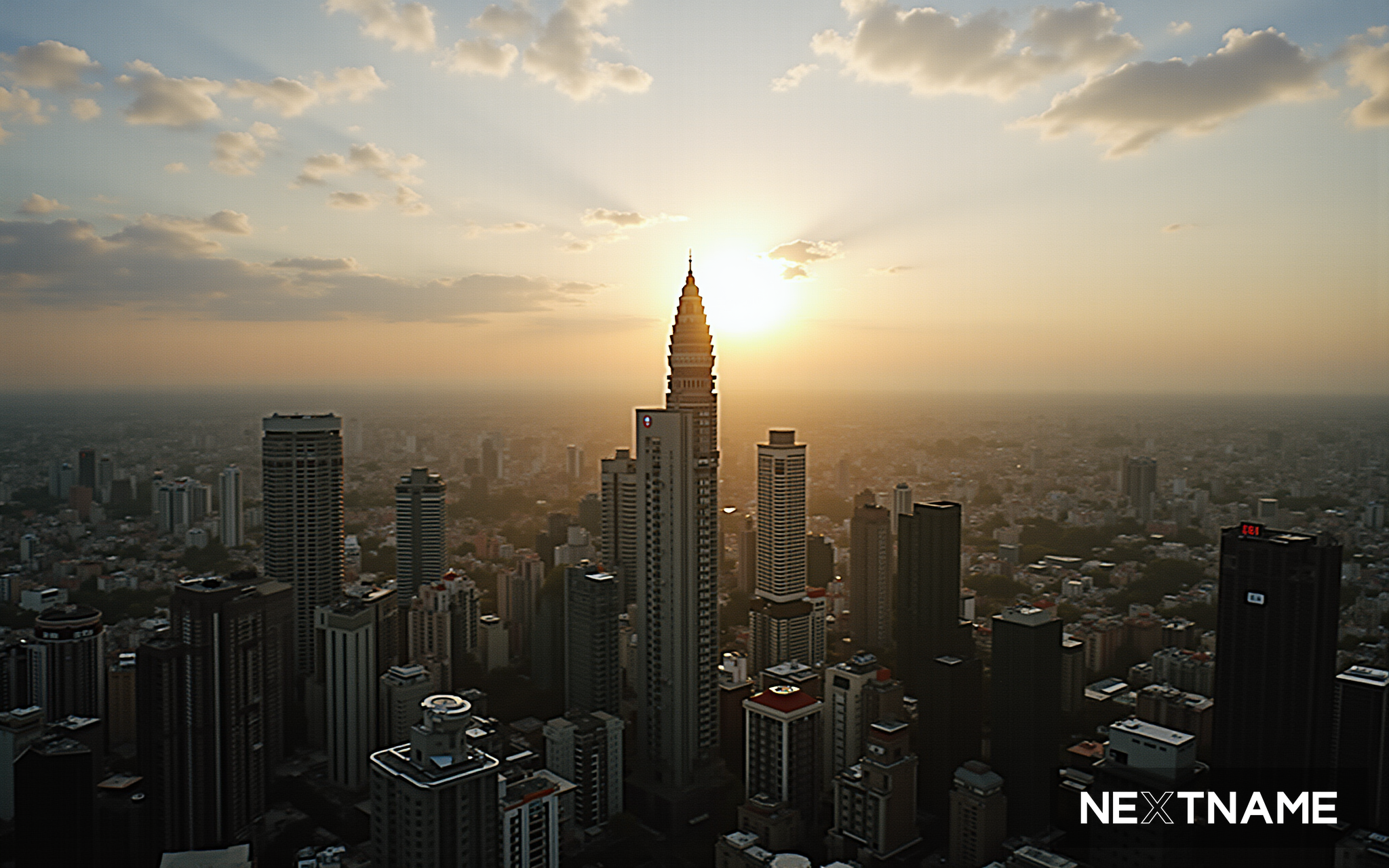
Kuala Lumpur feels like a city that never stops moving, but it’s easy to find pockets where the pace slows just enough to soak it in. The skyline is dominated by the Petronas Twin Towers and the newer Merdeka 118, yet step a few blocks into Chinatown and you’ll hear the sizzle of woks at Jalan Alor, where a plate of Nasi Lemak will set you back about RM 8 and a stall of satay costs less than RM 1 per stick. If you’re into street art, head to the walls of Kampung Glam or the colorful murals in Bangsar; the vibe there is relaxed, with indie cafés spilling out onto the pavement and a steady stream of locals and expats swapping stories over cold teh tarik.
Who ends up loving KL? Food lovers, first and foremost — there’s a dish for every budget, from the cheap‑and‑cheerful char kuey teow at a hawker centre to the pricier Hainanese chicken rice at a family‑run eatery in Bangsar. Culture seekers will feel right at home in Little India, where the scent of incense mixes with the buzz of the market, and history buffs can spend a half‑day at the Batu Caves, a 30‑minute train ride that drops you at a limestone shrine towering over the surrounding jungle. Shoppers will wander Bukit Bintang’s malls, but they’ll also find better deals in the sprawling Central Market, where you can haggle for batik and handicrafts without the markup of the big‑name stores.
The overall vibe is a mix of polished modernity and chaotic street energy. You can sip a craft cocktail in a rooftop bar in Bangsar, then hop on the LRT to watch the sunset over the KLCC skyline, all within a short walk. Public transport is cheap and reliable — RM 2.50 gets you most places, and Grab rides are usually under RM 15 for short hops. If you’re on a budget, a decent hostel in the Bukit Bintang area runs about RM 80 a night, while a mid‑range hotel in Mont Kiara sits around RM 250. In short, KL rewards the curious: it’s a place where you can eat your way through three continents in a single day, explore colonial‑era architecture beside sleek glass towers, and still find a quiet spot to watch the city pulse at night.
Sightseeing
- Petronas Twin Towers Sky Bridge – Walk the glass bridge 100 m up for sweeping city views; $15; 1 hour.
- Batu Caves – Climb the 272 rainbow‑colored steps to the Hindu shrine tucked inside limestone caves; $2; 2 hours.
Food_drink
- Nasi lemak at Nasi Lemak Antarabangsa (Jalan Alor) – Coconut‑rich rice with sambal, boiled egg, and crunchy anchovies; $3; 45 min.
- Char kuey teow at Ah Koon Char Koay Teow (Kampung Baru) – Stir‑fried flat noodles with shrimp, Chinese sausage, and egg; $5; 30 min.
Outdoor_nature
- KL Bird Park – Wander through a valley setting and spot more than 200 feathered residents; $12; 2 hours.
- Taman Tugu Forest Trail – Short trek under native dipterocarp trees just north of the national monument; free; 1.5 hours.
Nightlife
- Changkat Bukit Bintang – Bar strip where you can sip cheap cocktails and catch live bands; drinks $6‑$9; 2‑3 hours.
Cultural
- Islamic Arts Museum Malaysia – Quiet galleries filled with calligraphy, ceramics, and woven textiles; $5; 1.5 hours.
Day_trip
- Selangor Firefly Park (Kampung Kuantan) + Batu Caves combo – Evening boat ride through mangroves to watch fireflies, then a quick visit to the caves; $20; 4 hours round‑trip.
Quick tip: Grab a Grab ride between the Petronas Towers and KL Bird Park; it’s about 20 minutes and costs roughly $4. Enjoy the mix of skyline, flavor, and greenery—Kuala Lumpur has a lot of bite and calm in the same day.
Budget (≈ $30‑$55)
- Zostel Kuala Lumpur – Chinatown (Petaling Street) – $30‑$45 a night. Clean private rooms and a rooftop lounge make it easy to wander to nearby street‑food stalls.
- Mutiara Guesthouse – Bukit Bintang – $35‑$55 a night. Central location, friendly staff, and a simple setup that keeps you close to the shopping buzz without the price tag.
Mid‑range (≈ $90‑$150)
3. Pullman Kuala Lumpur City Centre – Imbi/KLCC fringe – $110‑$150 a night. Modern rooms, a sky‑bar with city views, and a short walk to Suria KLCC mall.
4. The Loaf Hotel – Bangsar – $90‑$130 a night. Boutique feel, rooftop pool, and a quick taxi ride to Jalan Alor’s night‑market stalls.
Luxury (≈ $260‑$420)
5. The Majestic Hotel Kuala Lumpur – Heritage Row (near Sultan Ismail) – $260‑$350 a night. Colonial‑style elegance, spacious suites, and a concierge who can lock in fine‑dining tables.
6. The Ritz‑Carlton, Kuala Lumpur – Bukit Bintang (adjacent to Imbi) – $300‑$420 a night. Impeccable service, a Thai‑style spa, and a rooftop infinity pool that overlooks the city skyline.
Getting to Kuala Lumpur – the quick‑and‑real‑world rundown
1. The airports you’ll actually use
- Kuala Lumpur International Airport (KLIA) – IATA KLIA (the main hub, 45 km south of the city).
- KLIA 2 – IATA KLIA2 (the low‑cost terminal, same field, a short shuttle ride away).
Both sit on the same runway complex, so most airlines dump you at the same “Kuala Lumpur” airport code. If you land at Penang (PEN) or Langkawi (LGK) you’ll still need a transfer, but 99 % of international traffic lands at KLIA/KLIA2.
2. Typical flight times from the big‑name hubs
| From | Typical nonstop / one‑stop time | Typical carrier |
|---|---|---|
| New York (JFK/EWR) | 18–20 hr (1‑stop, usually via Doha, Singapore or Hong Kong) | Qatar, Singapore, Emirates |
| London (LHR) | 12–13 hr (1‑stop, often via Doha or Kuala Lumpur itself on a “stop‑over” fare) | Qatar, Emirates, British Airways |
| Dubai (DXB) | 7 hr (direct) | Emirates, Malaysia Airlines |
| Hong Kong (HKG) | 5 hr (direct) | Malaysia Airlines, Cathay, AirAsia X |
If you’re chasing the cheapest schedule, look for a “stop‑over” in Doha or Singapore – you’ll shave a few hundred dollars off the ticket and stretch your legs on a city you probably want to see anyway.
3. Ground‑transport alternatives (when flying isn’t the only option)
- From Singapore – a 5‑hour bus ride (Golden Turbo, Singsaver) or a 6‑hour train (KTM) will drop you at Woodlands checkpoint, then a short taxi into the city. It’s cheap (≈ SGD 15) but you’ll lose a whole day.
- From Bangkok – a direct flight is still the fastest (≈ 2 hr), but if you love road trips you can take a 30‑hour bus via the Sangkhlaburi border crossing. Not recommended unless you have a spare week.
- From Jakarta – a 2‑hour flight is the norm; the overland route (bus + ferry) takes 24 hours and is only for the truly adventurous.
4. Visa for U.S. citizens
- No visa needed for stays up to 90 days.
- You’ll just need a passport valid 6 months beyond your entry date and a return or onward ticket.
- If you plan to work, study or stay longer than 90 days, you’ll have to apply for a specific pass at the Malaysian High Commission.
Bottom line: as a U.S. passport holder you can walk straight through immigration with a tourist stamp.
5. Approximate airfare ranges (economy, round‑trip, 2024 prices)
| Origin | Low‑season (Jan‑Mar) | High‑season (Jun‑Aug, Dec) | Typical airline |
|---|---|---|---|
| NYC → KL | $800–$1,100 | $1,200–$1,500 | Qatar, Singapore, Emirates |
| London → KL | £550–£800 | £900–£1,200 | Qatar, Emirates, British Airways |
| Dubai → KL | AED 350–500 | AED 600–800 | Emirates, AirAsia X |
| Hong Kong → KL | HK$1,200–1,600 | HK$1,800–2,500 | Malaysia Airlines, Cathay, AirAsia X |
If you’re flexible on dates, set a price alert on Google Flights or Skyscanner. A Tuesday‑evening departure from the U.S. often lands you in the $800‑$900 band, while a weekend hop from Europe can push you past $1,300.
6. Quick checklist before you book
- Pick the airport – KLIA for most carriers; KLIA2 if you’re flying a low‑cost carrier (AirAsia, Scoot).
- Check layover length – 2‑3 hours is safe for a domestic connection; 5 hours+ if you want to stretch your legs and grab a quick bite.
- Confirm visa‑free entry – your passport must be valid 6 months beyond your planned departure.
- Set a price alert – a $200‑$300 swing is common between low‑ and high‑season.
- Plan the ground transfer – KLIA Express (28 min, $12) to KL Sentral; or the cheaper “KLIA Transit” bus if you’re watching the budget.
Bottom line: Getting to Kuala Lumpur is straightforward if you know which airport you’ll land in, how long the flight will take, and that U.S. citizens can stroll through immigration visa‑free. Book a few weeks ahead for the best fare, hop on the KLIA Express, and you’ll be sipping a teh tarik in the city centre before you know it. Safe travels.
Kuala Lumpur – Month‑by‑Month Guide
| Month | Weather | Crowd level | Pricing trend | What’s on the calendar | Why it matters |
|---|---|---|---|---|---|
| January | Hot, 30‑33 °C, occasional brief showers. Humidity stays high. | Moderate – locals are back at work after the holidays. | Hotel rates are still a touch higher (post‑New Year). | Thaipusam (late Jan, usually) – a colorful Hindu procession at the Sri Mahamariamman Temple. | Good if you don’t mind humidity; the streets are lively but not packed. |
| February | Similar to January, a few more rain bursts. | Slightly lighter than January. | Prices dip a little as the school term starts. | Chinese New Year (varies; often in Feb). Night markets in Chinatown (Petaling Street) explode with lanterns, street food, and lion dances. | If you love festivals and can handle occasional showers, this is a sweet spot. |
| March | Temperature still 30‑33 °C. Rain becomes more frequent, especially late in the month. | Crowds thin out after the CNY rush. | Mid‑range hotels start offering “early‑bird” discounts. | Hari Raya Puasa (dates shift; sometimes in March). Expect closed shops in some Malay neighborhoods, but also special festive menus at places like Nasi Lemak Antarabangsa. | The city feels quieter; you can snag cheaper rooms and still catch a few cultural events. |
| April | Warm, 31‑34 °C, rain showers become daily but short. | Light – most tourists avoid this period. | Budget‑friendly options pop up; you can find rooms under RM150/night in the Bukit Bintang area. | No major holidays. Kuala Lumpur International Airport (KLIA) sales on flights sometimes start. | If you’re watching the budget, April is a hidden bargain. |
| May | Still hot, occasional thunderstorms in the late afternoon. | Moderate – school holidays begin mid‑May, so local families travel. | Prices rise a bit for the school‑holiday rush, especially in family‑oriented hotels. | Kuala Lumpur International Arts Festival (usually early May). Free performances in the park around Dataran Merdeka. | Good if you don’t mind a modest price bump for a few extra locals in the mix. |
| June | Slightly cooler (28‑32 °C) as the monsoon tail ends. Rain less intense. | Light to moderate – foreign tourists start to trickle back. | Hotel rates settle back to normal; you can still find good deals in Mid Valley or Pavilion KL. | Hari Raya Haji (if it falls) – quieter than Puasa, more religious observances. | Weather improves, crowds stay manageable, and prices stay reasonable. |
| July | Warm, 30‑33 °C. Rain showers become sporadic. | Light – the peak tourist season hasn’t started yet. | Low‑mid range pricing; you can snag a room in Bangsar for ~RM180/night. | Kuala Lumpur Fashion Week (usually late July). Shows are held in convention centres; tickets are pricey but you can watch street style outside. | Ideal for budget travelers who want decent weather and few crowds. |
| August | Warm, 30‑33 °C. Rain chances increase toward the end of the month. | Moderate – local school holidays end, so crowds dip. | Prices start to climb a bit as the “high season” approaches. | Merdeka Day (31 Aug) – parades, fireworks at Stadium Merdeka; great for patriotic vibes. | Good if you like a mix of local celebration and still‑affordable accommodation. |
| September | Slightly cooler (28‑32 °C). Rain less frequent. | Light – the tourist influx is still low. | Hotel rates stay moderate; you can find 4‑star rooms in Pudu for ~RM200/night. | Kuala Lumpur International Book Fair (usually early Sep) at Kuala Lumpur Convention Centre. | Perfect shoulder month: pleasant weather, low crowds, decent pricing. |
| October | Warm, 30‑33 °C. Occasional heavy showers, especially late month. | Moderate – some tourists start returning for the “cool” season. | Prices rise a touch, especially near Kuala Lumpur City Centre (KLCC). | Diwali (dates vary; often in Oct/Nov). The Little India area (around Vernon Road) lights up with lanterns, fireworks, and special sweets like murukku. | If you want to catch a major festival without the peak‑season price surge, early October works. |
| November | Warm, 30‑33 °C. Rain becomes more regular, especially toward the end. | Moderate to high – the “high season” begins as Europeans and Australians head south for winter. | Hotel rates climb; expect 20‑30 % increase in Bukit Bintang and KLCC areas. | Thaipusam (if it falls in Nov) – massive procession at Sri Mahamariamman Temple; expect crowds but also a spectacular show. | Good for festival lovers, but be prepared to pay a premium for rooms. |
| December | Warm, 30‑33 °C. Rain tapers off; humidity drops a bit. | High – many tourists flock for the festive vibe. | Prices peak; rooms in Pavilion KL or KLCC can hit RM350/night or more. | Christmas decorations at Pavilion KL and Suria KLCC; New Year countdown at Petaling Street. | If you love lights and crowds, December is magical but pricey. |
The Sweet‑Spot Shoulder Seasons
-
Late April to early June
- Weather: Warm with brief, manageable showers.
- Crowds: Light; locals are back at work, and most foreign tourists haven’t arrived yet.
- Pricing: Hotels and flights sit at mid‑range levels; you can often snag a room in Bangsar or Mont Kiara for under RM200/night.
- Bonus: The city’s parks are lush, and you can explore Kuala Lumpur’s street art in Mandalas without fighting the crowds.
-
Late September to early October
- Weather: Slightly cooler, rain eases up.
- Crowds: Still moderate; the high‑season rush hasn’t peaked.
- Pricing: Reasonable hotel rates; you can comfortably stay in KLCC for ~RM250/night.
- Bonus: The Kuala Lumpur International Book Fair and early Diwali preparations give you cultural experiences without the massive price tag.
Quick Tips for Timing Your Trip
- Book flights at least 6‑8 weeks ahead if you’re targeting the shoulder months; airlines often release the best fares then.
- Use the KL Transit app to see real‑time train schedules; the Kelana Jaya Line and Ampang Line cut travel time to most neighborhoods.
- Eat like a local – try Nasi Lemak at Nasi Lemak Wanjo (around RM8 per plate) in Jalan Alor during off‑peak hours; you’ll avoid the lunch rush and get a fresher dish.
- Stay flexible – if a sudden rainstorm hits, head to indoor attractions like the Aquaria KLCC or the Museum of Islamic Art; they’re usually less crowded during the shoulder periods.
Bottom line: Aim for late April–early June or late September–early October if you want the best blend of weather, crowd size, and price. Those windows let you enjoy Kuala Lumpur’s street food, vibrant festivals, and modern malls without the crush of peak‑season tourists or the sting of premium rates. Safe travels!
December, November, and January are the strongest windows for exploring the city.
Scores blend climate, rainfall, and activity fit — shoulder city. Temperatures and rainfall are historical monthly averages; actual conditions vary year-to-year.
Forecast data from Open-Meteo · refreshed hourly
What travelers say.
Loading reviews…
Sign in to leave a review.
Sign in →If Kuala Lumpur is your speed, try these.
Hong Kong
🇭🇰 HK94%Hong Kong feels like a city that never stops moving, but it’s also a place you can explore at your own pace. In the morning you can sip strong milk tea at a cha chaan teng in Mong Kok, then wander the…
Taipei
🇹🇼 TW91%Taipei feels like a city that’s learned to keep its feet on the ground while its head is always looking up. In the morning you can sip a cheap (NT$30) cup of coffee in the leafy lanes of Da’an, then h…
Tokyo
🇯🇵 JP90%Tokyo feels like a city that never stops moving, but it’s also surprisingly easy to find a quiet corner if you know where to look. In Shinjuku the skyline is a wall of neon and glass, yet just a few b…