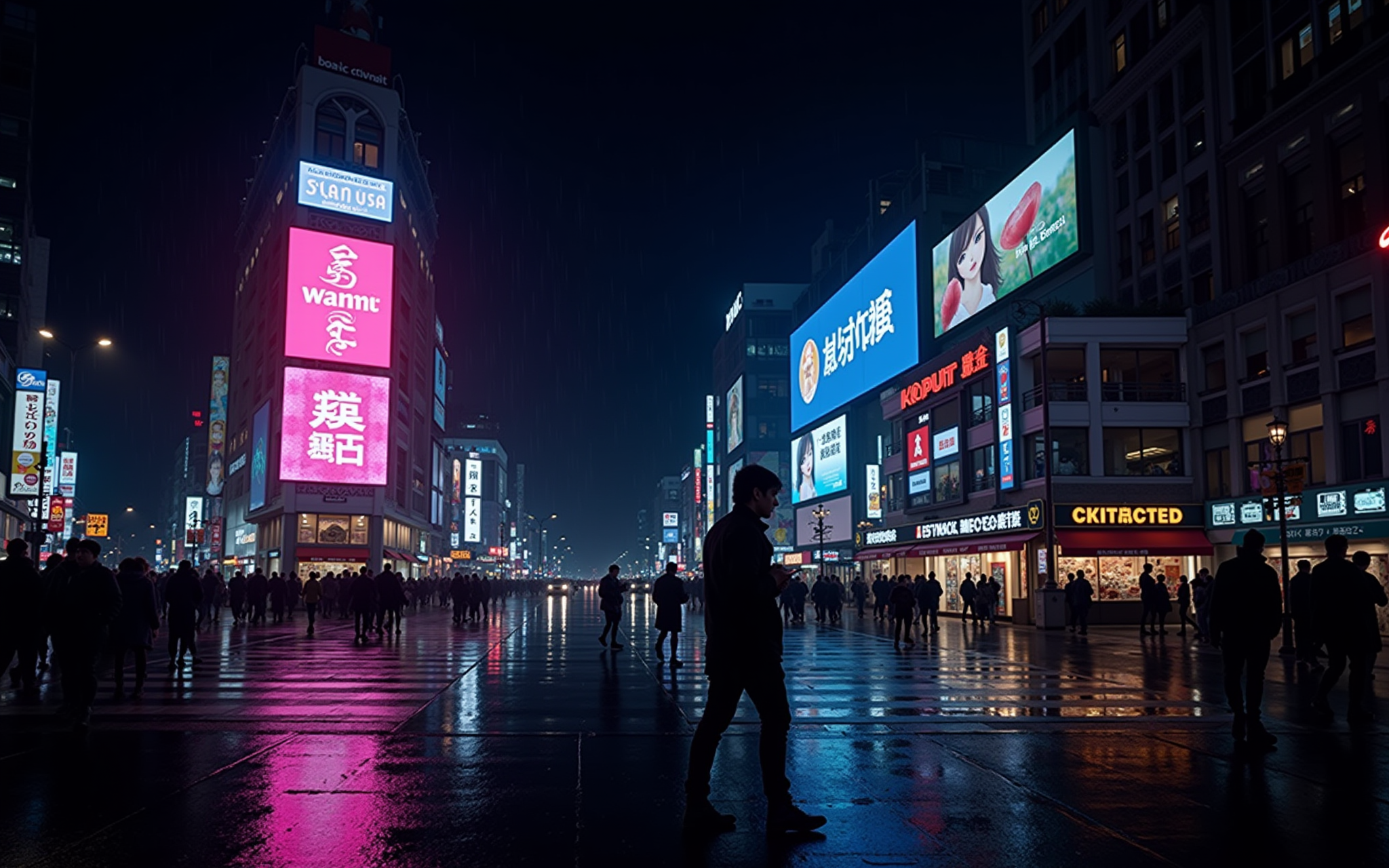
Tokyo feels like a city that never stops moving, but it’s also surprisingly easy to find a quiet corner if you know where to look. In Shinjuku the skyline is a wall of neon and glass, yet just a few blocks away you can wander through the serene gardens of the Imperial Palace or sit on a bench by the moat of the East Garden. The food scene is equally layered: a bowl of tonkotsu ramen at Ichiran in Ikebukuro hits the spot after a long day of train hopping, while the tiny izakayas tucked into the backstreets of Nakameguro serve fresh sashimi that tastes like the sea itself. If you’re into street snacks, try the flaky, caramel‑coated taiyaki from a stall near Senso‑ji in Asakusa, or the melt‑in‑your‑mouth monjayaki on a rainy night in Tsukishima.
What makes Tokyo stand out is the mix of ultra‑modern and old‑world charm that sits side by side without feeling forced. You can spend a morning hunting the latest tech gadgets in Akihabara, then catch a traditional tea ceremony in the quiet lanes of Yanaka. The vibe is fast‑paced but polite—people move quickly, yet they’ll still hold the door for you and bow when you pass. Nightlife ranges from the pulsing clubs of Shibuya’s Center‑Gai to the low‑key craft cocktail bars in Ginza that feel more like a living room than a venue. If you love sushi, the outer market at Toyosu offers pristine cuts that rival any high‑end restaurant, and the same goes for the affordable, yet unforgettable, katsu sando you’ll find at a tiny shop near Ueno.
Who will feel at home here? Anyone who enjoys a city that never sleeps but still respects a moment of stillness. Food lovers, culture nerds, and anyone who wants to see how technology lives alongside centuries‑old shrines will find plenty to chew on—literally and figuratively. If you’re the type who gets overwhelmed by crowds or prefers a slower rhythm, you’ll need to pick your neighborhoods wisely, but the city’s layout makes it easy to slip into quieter pockets whenever you need a break. Tokyo isn’t about checking off a list of sights; it’s about letting the city’s layers unfold at your own pace.
Sightseeing
- Shibuya Crossing – The world’s busiest pedestrian scramble; watch the flow from the Starbucks on the 10th floor. – $0 – 30 min
- Meiji Jingu Shrine – A quiet forested shrine dedicated to Emperor Meiji, tucked behind Harajuku. – $0 – 1 hr
Food & Drink
- Sushi Dai (Toyosu) – Fresh, no‑reservation sushi counter; try the tuna belly. – $25 per person – 1.5 hr (incl. wait)
- Ichiran Ramen, Shinjuku – Solo booths let you customize broth intensity; order the tonkotsu. – $12 – 45 min
Outdoor Nature
- Ueno Park in late March – Stroll among blooming cherry trees and catch a view of the pond. – $0 – 2 hr
- Odaiba Seaside Park – Walk along the waterfront with a view of the Rainbow Bridge at sunset. – $0 – 1.5 hr
Nightlife
- Golden Gai, Shinjuku – Tiny alleys packed with themed bars; pick one with a local vibe. – $10‑$15 per drink – 2‑3 hr
- Omoide Yokocho – Retro izakaya lane near Shinjuku Station; try yakitori at a stall. – $15 for a few skewers – 1 hr
Cultural
- TeamLab Borderless, Odaiba – Immersive digital art museum; wander through endless light rooms. – $30 – 2 hr
- Ghibli Museum, Mitaka – Whimsical animation exhibits; tickets must be bought in advance. – $12 – 2 hr
Day Trip
- Kamakura Great Buddha (Daibutsu) – Massive bronze statue of Amida Buddha; combine with a coastal walk. – $5 train + $3 entry – half day
- Nikko Toshogu Shrine – Lavishly carved shrine set in cedar forest; UNESCO site. – $25 round‑trip train + $10 entry – full day
Budget – $50‑$80
-
Khaosan Tokyo Samurai – Asakusa – $55‑$70
You’ll love the 24‑hour self‑check‑in and the chance to wander the temple‑lined streets of Asakusa without breaking the bank. -
Book and Bed Tokyo – Ikebukuro – $60‑$80
If you’re a night‑owl who wants a cozy “capsule‑library” vibe, this spot lets you sleep among shelves of novels and still be steps from the JR hub.
Mid‑range – $120‑$160
3. Hotel Gracery Shinjuku – Shinjuku – $130‑$150
The Godzilla‑themed rooftop bar is a fun way to unwind after a day of shopping, and the location puts you right in the neon pulse of Shinjuku.
- Mitsui Garden Hotel Ginza Premier – Ginza – $135‑$160
You’ll appreciate the sleek rooms and the short walk to the high‑end boutiques and the famous Tsukiji outer market for fresh sushi stops.
Luxury – $600‑$900
5. The Peninsula Tokyo – Chiyoda – $650‑$800
If you crave impeccable service and a sky‑high view of the Imperial Palace, this hotel delivers a seamless blend of tradition and modern comfort.
- Aman Tokyo – Toranomon – $720‑$900
When you want an ultra‑quiet retreat with a spa that feels like a private onsen, this high‑rise sanctuary is worth the splurge.
Getting to Tokyo – the nuts and bolts
Airports you’ll actually use
- Narita International (NRT) – 78 km east of central Tokyo.
- Haneda Airport (HND) – 14 km south, closer to the city and best for domestic connections or short‑haul international flights.
Both handle the bulk of inbound traffic; most long‑haul carriers land at Narita, while low‑cost and many Asian carriers favour Haneda.
Typical flight times from big hubs
- New York (JFK/EWR) → Tokyo: 14 h non‑stop.
- London (LHR) → Tokyo: 12 h non‑stop.
- Dubai (DXB) → Tokyo: 10 h non‑stop.
- Hong Kong (HKG) → Tokyo: 4 h 30 m non‑stop.
Times vary a few minutes depending on wind and routing, but you can count on being in the air for roughly these durations.
Ground transport once you land
- From Narita: the Narita Express (N’EX) drops you at Tokyo Station in 60 min for ¥3,020. A limousine bus costs ¥3,200 and takes about 90 min.
- From Haneda: the Tokyo Monorail to Hamamatsucho costs ¥500 and runs every 5–10 min; the Keikyu Line is a little cheaper at ¥300 but a touch slower.
- If you’re arriving via a low‑cost carrier that uses a nearby secondary airport (e.g., Ibaraki, IATA: IATA‑IBR), you’ll need a shuttle bus to Narita or a train to Ueno, then a subway transfer – expect an extra hour and ¥1,500‑¥2,000.
Visa for U.S. citizens
You can enter Japan visa‑free for up to 90 days as a tourist, business visitor, or short‑term cultural exchange. Your passport must be valid for the entire stay, and you should be ready to show a return or onward ticket and proof of sufficient funds (roughly ¥10,000 per day is the unofficial benchmark). No pre‑approval or e‑visa is required.
Airfare ballpark
- Economy round‑trip from the U.S.: $600–$1,200, cheapest in late autumn, pricier around cherry‑blossom season.
- From Europe: $700–$1,300, with the best deals often emerging in January or February.
- From the Middle East: $800–$1,500, especially if you snag a sale on Emirates or Qatar Airways.
- From other Asian hubs: $400–$900, and you’ll find frequent promos on ANA, JAL, or budget carriers like Peach.
My quick take
If you’re flying from New York or London, aim for a Narita arrival and grab the N’EX – it’s the most reliable way to hit central Tokyo without juggling transfers. For a faster door‑to‑door experience, especially if you’re staying in the Shibuya or Shinjuku area, Haneda’s monorail gets you to the city in under 30 minutes and saves you the extra train ride.
And don’t forget to budget a little extra for that first bowl of ramen at Ichiran (about ¥1,200) or a sushi set at the outer Tsukiji market (around ¥2,500). Those little tastes make the whole trip feel real, and they won’t break the bank. Safe travels!
January – Cold and quiet. Temperatures hover around 5 °C (41 °F) and the city feels almost empty after the New Year rush. Flights are at their cheapest, but daylight ends by 5 p.m., so plan indoor activities. Warm up with a bowl of tonkotsu ramen at Ichiran (≈ 1,200 yen) in Shinjuku. The price of a night in a mid‑range hotel drops to about 9,000 yen, a full 30 % lower than the summer peak.
February – Still chilly, but the Setsubun bean‑throwing festivals start toward the end of the month. Crowds stay low, and you can snag a discounted sushi set at Sushi Zanmai in Tsukiji (≈ 2,500 yen for 10 pieces). If you’re lucky, you’ll catch a glimpse of the early cherry‑blossom buds in Ueno Park, but they won’t be fully out yet.
March – The Tokyo Marathon kicks off, pulling a modest influx of runners and spectators. Temperatures climb to 12 °C (54 °F) by month’s end. Hotel rates begin to rise, hovering near 11,000 yen for a standard room. It’s a good time to explore Asakusa’s Senso‑ji Temple before the spring crowds swell.
April – Cherry‑blossom season peaks around the first two weeks. Expect 20 °C (68 °F) days and a surge of tourists in Shinjuku’s parks and along the Sumida River. Prices jump: a night in a Ginza hotel can hit 18,000 yen, and a typical izakaya dinner (yakitori platter + sake) runs about 3,500 yen. If you can handle the crowds, the pink canopy over Meguro River is worth the hustle.
May – Late spring brings comfortable 22 °C (72 °F) weather and the Sanja Matsuri in Shinjuku’s Asakusa area. Crowds thin a bit after the Golden Week rush, and hotel rates settle around 13,000 yen. This month is a sweet‑spot for food lovers: try monjayaki in Tsukishima (≈ 1,800 yen per portion) while strolling the nearby Kagurazaka alleys.
June – Early summer heat starts to creep in, with humidity rising and temperatures around 25 °C (77 °F). Tourist numbers dip after Golden Week, so you’ll find cheaper airfares and hotel rooms (≈ 12,000 yen). It’s a good month for a cool treat: shaved ice (kakigōri) at a Nakameguro café (≈ 800 yen) after a day of exploring Akihabara’s electronics shops.
July – The Sumida River fireworks light up the night on the last Saturday of the month. Temperatures soar to 28 °C (82 °F) and humidity is high, but the spectacle draws huge crowds to the waterfront. Hotel prices climb back to 15,000 yen, yet you can still find affordable street food — takoyaki stalls in Shibuya charge about 500 yen per ball. If you prefer cooler evenings, head to Odaiba’s seaside promenade after the fireworks.
August – Heat peaks, but the Koenji Awa Odori dance festival brings lively street performances to the neighborhood. Prices stay moderate; a night in a boutique hotel in Koenji averages 13,000 yen. It’s a great time to sample craft beer at a local izakaya (≈ 900 yen per glass) while watching the dance parades.
September – Early autumn brings a slight dip in heat, with daytime highs around 24 °C (75 °F). The Tokyo Game Show in Chiba draws tech fans, and hotel rates settle near 14,000 yen. Use the cooler evenings to wander the historic Yanaka district, where a traditional sweet potato snack costs about 300 yen.
October – Autumn’s sweet spot. Temperatures settle at 18 °C (64 °F), crowds thin after the summer rush, and hotel rooms drop to around 12,000 yen. The vivid foliage in Shinjuku Gyoen is best viewed in the second half of the month. Grab a bowl of pumpkin soup at a Ginza café (≈ 1,100 yen) while the leaves turn amber.
November – Cool and crisp, with temperatures around 13 °C (55 °F). The city’s museums and shopping districts stay busy, but you’ll still find decent deals on accommodation (≈ 11,500 yen). Try a hot pot of shabu‑shabu at a modest restaurant in Ikebukuro (≈ 2,800 yen per person) for a warming dinner.
December – Holiday lights illuminate Tokyo, especially in Shibuya and Omotesando. Temperatures hover near 10 °C (50 °F) and crowds swell for Christmas markets and New Year’s shrine visits. Hotel prices climb to 16,000 yen, but you can still enjoy a festive dinner of Christmas cake and roasted chestnuts at a department‑store café (≈ 1,500 yen). If you don’t mind the buzz, the illuminated Tokyo Tower at night is unforgettable.
Sweet‑spot months
May and October give you the best mix of mild weather, manageable crowds, and reasonable prices. Hotel rates stay under 13,000 yen, and you’ll avoid the peak cherry‑blossom and autumn‑foliage surges while still catching beautiful scenery.
Plan around these windows, and you’ll experience Tokyo’s highlights without the extremes of price or packed streets. Safe travels!
November, April, and May are the strongest windows for sightseeing.
Scores blend climate, rainfall, and activity fit — cultural. Temperatures and rainfall are historical monthly averages; actual conditions vary year-to-year.
Forecast data from Open-Meteo · refreshed hourly
What travelers say.
Loading reviews…
Sign in to leave a review.
Sign in →If Tokyo is your speed, try these.
Hong Kong
🇭🇰 HK90%Hong Kong feels like a city that never stops moving, but it’s also a place you can explore at your own pace. In the morning you can sip strong milk tea at a cha chaan teng in Mong Kok, then wander the…
New York
🇺🇸 US90%New York isn’t just a skyline; it’s a patchwork of neighborhoods that each feel like a different city. You can grab a $3 slice of pizza on a corner in the East Village, then hop on the L train and be …
Paris
🇫🇷 FR88%Paris feels like a city you can actually walk through and still find something new around every corner. The streets of Saint‑Germain‑des‑Prés hum with cafés where you can sip a café au lait while watc…