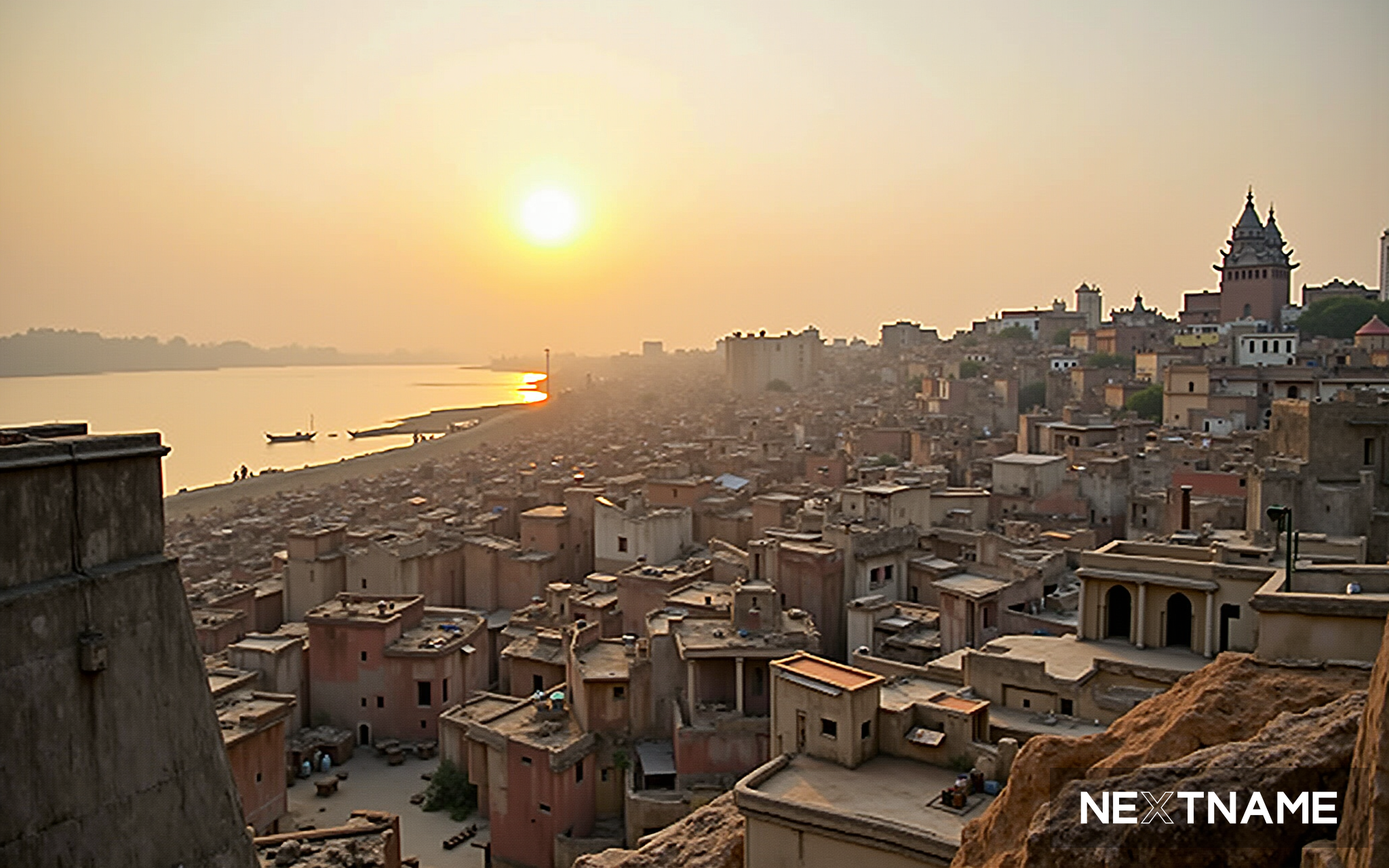
Varanasi feels like stepping into a living ritual. The narrow lanes of Bharat Mata Mandir and the ghats that line the Ganges don’t just look ancient—they pulse with centuries of prayer, chanting, and the occasional burst of incense smoke that clings to your clothes. You’ll hear the low hum of temple bells at dawn in Kashi Vishwanath and the clatter of wooden boats ferrying early‑morning pilgrims across the river; it’s the kind of sound you can’t replicate on a playlist. Foodies should head to Madhurima on Godowlia for a plate of kachori dripping with tangy tamarind chutney—roughly ₹30 a piece—and to Kashi Chat Bhandar for a bowl of tamatar chaat that costs less than a cup of tea but hits you with a punch of spice and sourness.
If you’re the type who loves wandering through chaos that somehow makes perfect sense, Varanasi will suit you. Backpackers, photographers, and anyone who can sit still for a half‑hour watching a aarti on Dashashwamedh Ghat will find endless moments worth capturing. The vibe is raw, unfiltered, and a little gritty—street vendors shouting prices, saffron‑clad sadhus sharing stories over chai, and the occasional motorbike that cuts through the crowd like a reminder that the city never truly sleeps. Budget travelers can snag a clean dorm in Assi Ghat for around ₹600 a night, while those craving a touch more comfort can book a riverside room in Sarnath for about ₹2,500, both within walking distance of the main sights. In short, Varanasi rewards the curious and the patient, and it won’t sugarcoat its intensity for anyone willing to dive in.
Sightseeing
- Kashi Vishwanath Temple – The most sacred Shiva shrine on the crowded lanes of Vishwanath Ganj, where the lingam is said to grant instant blessings. – $0 entry – 45 min.
- Sarnath – The deer‑filled ruins just 10 km north, where Buddha gave his first sermon; the Dhamek Stupa dominates the skyline. – $2 entry – 3 hrs (including travel).
Food & Drink
- Bharat Kachori Gali (Kachori stall) – Tiny, oil‑fried pastries stuffed with spiced lentils, served with tangy tamarind chutney on a banana leaf. – $1 per packet – 30 min.
- Panchganga Paan – Fresh betel leaf stuffed with shredded coconut, rose petals and a dash of lime, a ritual snack sold by the family near the ghats for generations. – $0.50 each – 15 min.
Outdoor Nature
- Sunrise boat ride from Assi Ghat – Paddle downstream as the first light paints the river gold; you’ll see early‑morning pilgrims and the city waking up. – $5 per person – 1 hr.
- Evening walk along Assi Ghat – A quiet stretch where locals practice yoga and sellers hawk roasted peanuts; the vibe is laid‑back, not touristy. – Free – 1 hr.
Nightlife
- The Piano Man Jazz Club – Low‑key venue on a rooftop near the ghats; live jazz and a small selection of Indian craft beers after 10 pm. – $10 cover + drinks – 2 hrs.
- Mahadev Café (river‑side chai) – A tiny stall that stays open late, serving spiced masala chai with a view of the illuminated ghats. – $2 per cup – 45 min.
Cultural
- Bharat Kala Bhavan music recital – Evening classical concerts featuring sitar and tabla maestros in an intimate courtyard; tickets are cheap and the acoustics are superb. – $5 entry – 1.5 hrs.
- Sarnath weaving demonstration – Watch artisans spin Banarasi silk on traditional looms; you can even try a few knots yourself. – $3 donation – 1 hr.
Day Trip
- Ramnagar Fort – The 18th‑century fortress on the opposite bank of the Ganges, now a museum of vintage cars and royal artifacts; reachable by a short ferry ride. – $2 entry – 3 hrs (including ferry).
Each of these spots gives you a concrete taste of Varanasi without the fluff—just the name, what to do, what it costs, and how long you’ll likely spend. Enjoy the city at your own pace.
Budget
- Hotel Ganges Grand – Assi Ghat area – $30‑$45 /night. Ideal if you want a clean room within walking distance of the main ghats and a rooftop view of the river.
- Zostel Varanasi – Near Assi Ghat, backpacker hub – $25‑$35 /night. Great for solo travelers who like a social vibe and easy access to street‑food stalls.
Mid‑range
3. Hotel Surya – Ramnagar, close to the ferry landing – $60‑$80 /night. Offers a quiet courtyard and reliable Wi‑Fi, perfect for families who need a bit more space without breaking the bank.
4. Hotel Saffron – Sarnath outskirts – $70‑$90 /night. Clean, air‑conditioned rooms and a short tuk‑tuk ride to the Buddhist sites make it a solid base for culture‑focused itineraries.
Luxury
5. Taj Ganges – Central ghats, riverfront – $250‑$350 /night. Spacious suites, spa services, and a river‑view lounge let you unwind after a day of boat rides and temple tours.
6. BrijRama Palace – Heritage palace on the Ganges – $350‑$450 /night. Historic interiors, personalized service, and a private terrace give a royal feel that’s hard to match elsewhere.
All prices are approximate for a standard room in 2023 and can shift with seasonality. Choose the tier that matches your comfort level and the kind of Varanasi experience you’re after.
How to get to Varanasi
The city’s own airport, Lal Bahadur Shastri International (IATA = VNS), handles most arrivals. It sits about 26 km from the old town, a 45‑minute auto‑rickshaw ride that will cost you roughly ₹300–₹400. If you’re coming from a larger hub, you’ll almost always change planes in Delhi, Kolkata or Mumbai.
From New York (JFK/EWR)
No nonstop service exists. The fastest route hops to Delhi (≈ 14 h total with a 2‑hour layover) and then catches a 1‑hour domestic flight to Varanasi. Expect to spend around $1,100–$1,400 round‑trip in economy if you book 2‑3 months ahead.
From London (LHR)
British Airways and Air India both route through Delhi. The whole trip usually lands you in Varanasi after roughly 10 hours of flying plus a 90‑minute ground transfer. Economy fares sit between £650–£900.
From Dubai (DXB)
Emirates and Air India offer a single‑stop connection that lands you in Varanasi after about 5 hours of air time. A typical economy ticket runs $550–$800.
From Hong Kong (HKG)
Cathay Pacific codeshares with Air India; you’ll end up in Delhi before the short domestic leg. Total travel time hovers around 9 hours. Expect $900–$1,200 for a round‑trip economy seat.
Alternative ground transport
If you’re already in northern India, the train from Delhi’s New Delhi station to Varanasi (via Mughal Sarai) takes 4 hours 30 minutes on the Rajdhani Express—comfortable, air‑conditioned, and cheaper than a flight (₹1,200–₹2,500). Long‑distance buses are an option too; they crawl the 800‑km highway in roughly 12 hours and cost about ₹600.
Visa for U.S. citizens
You’ll need an e‑tourist visa. Apply online, upload a scanned passport page and a recent photo, pay the $25 fee, and you’ll receive a PDF that’s valid for 60 days with double‑entry. The process is usually done within 3–5 business days, so file it before you book your flights.
Airfare snapshot
- Peak season (Oct‑Mar): $1,200–$1,600 (U.S. East Coast)
- Shoulder season (Apr‑Jun, Sep): $800–$1,100
- Off‑peak (Jul‑Aug): $650–$900
Prices fluctuate with airline sales, so set a price alert on a site like Skyscanner if you’re flexible.
A quick bite when you land
Head straight to Kashi Chaat Bhandar in the Godowlia market. A plate of aloo‑kachori with tamatar chaat will set you back about ₹40–₹60—roughly $0.50–$0.80. It’s a cheap, authentic way to shake off jet lag before you hop on that auto‑rickshaw to your guesthouse in the Assi Ghat area.
Bottom line: fly into Varanasi via Delhi (or the other hubs listed), sort the e‑visa ahead of time, and budget roughly $800‑$1,400 for a round‑trip from the U.S. Once you’re there, the short rickshaw ride drops you right into the heart of the city’s timeless lanes. Safe travels.
Varanasi, Month by Month
| Month | Weather | Crowds | Prices | What’s On | Why It Matters |
|---|---|---|---|---|---|
| January | Cool, 5‑15 °C. Early mornings can be foggy. | Low‑moderate. Pilgrims are still thin after the New Year rush. | Budget stays cheap ($25‑35/night for a decent guesthouse). Mid‑range climbs a bit, luxury stays stay steady. | Makar Sankranti (mid‑Jan) – kite‑flying on the ghats, sweet‑scented sesame laddoos from street vendors. | If you don’t mind a light sweater, the chill makes sunrise boat rides crystal clear. |
| February | Still cool, but sunshine starts to creep in. 10‑20 °C. | Moderate. Tourist flow begins to rise as the weather improves. | Prices nudge up 10‑15 % compared with January, but still far below peak season. | Shivaratri (late Feb) – night‑long chants at Kashi Vishwanath, free “prasad” of banana and jaggery. | Perfect for early‑morning walks along Assi Ghat before the city fully wakes. |
| March | Warm, 20‑30 °C. Humidity stays low. | Moderate‑high as Indian school holidays start. | Mid‑range hotels climb 20 % from February; budget still affordable. | Holi (early March) – color‑splashed processions from Ramnagar to the ghats, sweet‑scented gujiya from local confectioners. | Crowds get lively but manageable; you’ll still find quiet corners on the southern ghats. |
| April | Hot, 30‑38 °C. Sun beats down by noon. | High. Pilgrims and foreign tourists flock before the monsoon. | Peak‑season pricing kicks in: $70‑120 for mid‑range rooms; luxury can hit $250+. | Ramanavami (mid‑April) – massive procession with classical music, free “bhandara” meals at many temples. | If you love festivals, this is the most vibrant month, but be ready for heat and crowds. |
| May | Scorching, 35‑42 °C. Humidity spikes. | High, but starts to thin toward month‑end. | Prices stay high; early‑bird deals can shave 10‑15 % if you book a month ahead. | None major; locals mostly stay indoors, so the city feels quieter after dark. | Not recommended unless you’re a heat‑tolerant traveler who wants ultra‑cheap lodging. |
| June | Monsoon begins late‑mid month, 28‑34 °C, sudden downpours. | Moderate. Rain clears some crowds. | Prices dip 15‑25 % after the first week of rain; budget rooms can be $20‑30. | None specific; the rain brings a misty glow over the Ganges, great for photography. | If you can handle occasional showers, you’ll enjoy empty ghats and lower rates. |
| July | Monsoon full swing, 27‑32 °C, humidity 80 %. | Low‑moderate. Most tourists stay away. | Budget stays cheap ($18‑28); mid‑range drops to $45‑70. | Buddha Purnima (early July) – quiet candlelit ceremonies at Sarnath, free vegetarian “prasad” from local NGOs. | The city feels almost spiritual; boat rides are mist‑wrapped and magical. |
| August | Still monsoon, but rains start to taper. 28‑33 °C. | Low. | Similar to July; occasional “rain‑sale” discounts. | None major, but local markets sell fresh mangoes and lassi at half price. | Good for photographers who love reflective water on the ghats. |
| September | Post‑monsoon, 28‑35 °C, humidity easing. | Moderate. Tourist numbers rise again. | Prices start climbing back to $55‑85 for mid‑range. | Pitru Paksha (mid‑Sept) – families perform rites on the ghats; free “bhandara” meals at many temples. | Weather is pleasant, crowds are manageable; you’ll see both pilgrims and travelers. |
| October | Cool, 20‑30 °C, clear skies. | Moderate‑high as the tourist season kicks off. | Mid‑range $70‑100; luxury $150‑200. | Diwali (late Oct/early Nov) – city illuminated, fireworks over the Ganges, sweet‑scented peda from Kashi. | The most magical time for night‑time boat rides; crowds are lively but not overwhelming. |
| November | Cool, 15‑25 °C. Comfortable evenings. | High. Peak pilgrim season begins. | Prices peak: $80‑130 for mid‑range; luxury $200+. | Kartik Purnima (mid‑Nov) – massive boat procession, free “bhandara” of rice and sweets at many ghats. | If you love festivals and don’t mind crowds, this is the sweet‑spot for cultural immersion. |
| December | Cool, 10‑20 °C. Crisp mornings. | Low‑moderate. After the festive rush, crowds thin. | Prices drop 10‑15 % from November; budget $30‑45, mid‑range $60‑80. | No major festivals, but the quiet makes sunrise at Manikarnika Ghat especially serene. | Perfect for a relaxed stay; you can snag good rooms without breaking the bank. |
The Sweet‑Spot Shoulder Seasons
- Late February to early March – weather is mild, crowds are still modest, and prices sit comfortably between off‑peak and peak. The Holi buzz adds color without the full‑blown heat of April.
- Late September to early October – monsoon recedes, the river glistens, and the city prepares for Diwali. You get pleasant temperatures, fewer tourists than November, and a chance to catch the tail‑end of Pitru Paksha rituals.
Practical Tips
- Flights: Delhi‑Varanasi is a 1.5‑hour flight; early‑morning departures (5 am) let you catch sunrise over the Ganges.
- Trains: The Varanasi‑Delhi Shatabdi (overnight) is 13 hours; book a sleeper berth if you want to save on a night’s accommodation.
- Neighborhoods to Stay:
- Assi Ghat area – budget hostels $25‑35, great for backpackers.
- Sankat Mochan/Benares Hindu University – mid‑range guesthouses $60‑80, quieter but still close to the main ghats.
- Luxury riverside hotels near Ramnagar – $200+ per night, with private boat access at dawn.
- Food Must‑Try:
- Kachori from Kachori Wala near Godowlia (₹30‑₹45 each).
- Malaiyyo (frothy saffron‑infused yogurt drink) at Ramkumar near Dashashwamedh (₹70‑₹90).
- Banarasi Paan from the famous Paan Wala on Sarnath Road (₹20‑₹35).
- Budget Snapshot:
- Backpacker: $30‑45 per day (hostel, street food, local rickshaws).
- Mid‑range: $70‑100 per day (private room, occasional restaurant, guided boat).
- Luxury: $200+ per day (river‑front suite, private guide, fine‑dining).
Bottom Line
If you want the best mix of weather, crowd size, and price, aim for late February‑early March or late September‑early October. You’ll avoid the scorching heat of May, the monsoon damp of July, and the peak‑season surge of November. Book accommodations a month ahead for those windows, and you’ll snag the sweetest rates while still catching the city’s most vibrant festivals. Safe travels.
November, December, and February are the strongest windows for sightseeing.
Scores blend climate, rainfall, and activity fit — cultural. Temperatures and rainfall are historical monthly averages; actual conditions vary year-to-year.
Forecast data from Open-Meteo · refreshed hourly
What travelers say.
Loading reviews…
Sign in to leave a review.
Sign in →If Varanasi is your speed, try these.
Jerusalem
🇮🇱 IL87%Jerusalem feels like a city that never stops telling stories, and you’ll find yourself walking past layers of history without even trying. The Old City’s Armenian Quarter, with its narrow stone lanes …
Chiang Mai
🇹🇭 TH86%Chiang Mai feels like a compact city that still lets you breathe. The Old City, ringed by crumbling walls and moats, is where you’ll find Wat Phra Singh and Wat Chedi Luang, both worth a quick stop be…
Kyoto
🇯🇵 JP85%Kyoto feels like stepping into a different era, but not in a forced way. The streets of Gion still echo with the soft click of wooden geta, and you can wander past tea houses that have been serving ma…