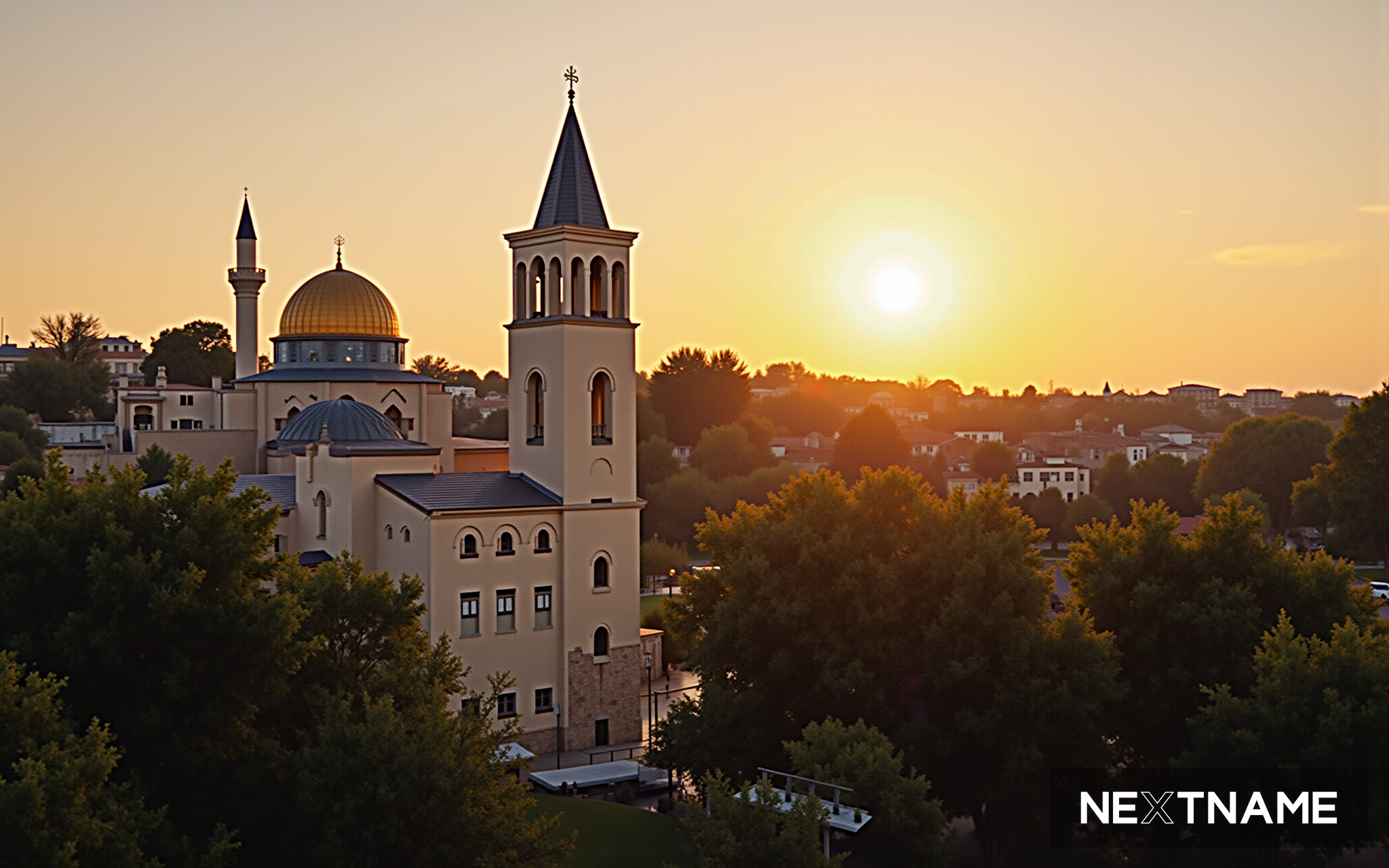
Jerusalem feels like a city that never stops telling stories, and you’ll find yourself walking past layers of history without even trying. The Old City’s Armenian Quarter, with its narrow stone lanes and the scent of fresh rosemary from the nearby bakery, sits just a short stroll from the buzzing Mahane Yehuda market, where you can grab a warm sabich or a bowl of creamy hummus topped with pickled eggplant. If you’re into food, the German Colony’s cafés serve up perfect shakshuka with a side of local wine, while the nearby Israel Museum houses the Dead Sea Scrolls in a quiet wing that lets you actually read ancient texts instead of just hearing about them. The vibe here is a mix of reverence and randomness — you’ll hear a Hebrew prayer echo from the Western Wall, then turn a corner and hear a street musician playing oud beside a group of backpackers debating the best falafel spot in Rehavia.
Who ends up loving Jerusalem? People who don’t mind a little chaos and who want to feel the weight of centuries under their feet. It’s perfect for pilgrims, for anyone who gets a thrill from seeing a 2,000‑year‑old stone next to a sleek new art gallery, and for food lovers who’ll chase a perfect malabi through the alleys of Katamon. The city moves at its own pace — sometimes slow, sometimes frantic — but you’ll quickly learn which neighborhoods suit your rhythm: the artsy vibe of Talpiot, the quiet streets of German Colony, or the lively nightlife of the German‑Jewish mix in Central Jerusalem. If you’re up for a place that challenges and rewards in equal measure, Jerusalem will give you plenty of moments to remember, as long as you’re ready to wander without a strict itinerary.
Sightseeing
- Western Wall (Kotel) – Touch the ancient stones and feel the weight of centuries; free entry, 45 min.
- Tower of David Museum – Climb the ramparts for panoramic city views and a quick history fix; $15, 1.5 hrs.
Food & Drink
- Sabich at Sabich Tzafon (Mahane Yehuda) – Crunchy pita stuffed with fried eggplant, hard‑boiled egg, and tahini; $8, 45 min.
- Pomegranate juice at The Jaffa Clock Café – Sweet‑tart fresh‑pressed juice served in a glass tower; $5, 30 min.
Outdoor Nature
- Ramparts Walk on the Old City walls – Stroll the 1‑km stone path, spotting rooftops and minarets from above; $12, 1.5 hrs.
- Ticho Park – Shade under centuries‑old trees, perfect for a quiet picnic; free, 1 hr.
Nightlife
- Cocktails at The Sandwich Club rooftop – Sip a citrus‑forward drink while the city lights flicker below; $18, 2 hrs.
- Live music at The Yellow Submarine (German Colony) – Indie‑rock sets in a cozy cellar, cover charge $10; 2 hrs.
Cultural
- Klezmer concert at the Jerusalem Theater – Traditional strings and clarinet echoing through a modern hall; $20, 1.5 hrs.
Day Trip
- Masada sunrise tour with cable car – Ride up to the fortress, watch dawn paint the desert, then explore the ruins; $55 (incl. transport), 6 hrs.
Budget (~ $80‑130)
- The Abraham Hostel – Muslim Quarter, Old City – $80‑110 – Simple rooms, rooftop views of the Dome of the Rock, steps from the market.
- The Olive Tree Hostel – Katamon – $90‑130 – Quiet street, kitchenettes, easy bus rides to the city center.
Mid‑range (~ $150‑210)
- The Post – German Colony – $150‑190 – Boutique design, breakfast on a terrace that looks over the valley, a short walk to the Israel Museum.
- 7 Arches Hotel – German Colony – $165‑210 – Historic building, rooftop pool, cafés and galleries just outside the door.
Luxury (~ $380‑560)
- The King David Hotel – King David Street, near the Old City – $420‑560 – Legendary service, historic stone façade, direct access to the Old City walls.
- The American Colony Hotel – East Jerusalem, by the Garden of Gethsemane – $380‑500 – Lush gardens, fine‑dining restaurant, a peaceful retreat with a view of the Mount of Olives.
Getting to Jerusalem – the nuts and bolts
The city itself doesn’t have a commercial airport, so you’ll be landing at one of the nearby hubs and then moving overland. Here’s the practical low‑down you can trust when you’re booking that ticket.
1. Nearest airports (IATA)
| Airport | IATA | Distance to Jerusalem | Why most travelers pick it |
|---|---|---|---|
| Ben Gurion International | TLV | 55 km (≈35 mi) | Biggest choice, most flight options, reliable train link |
| Ramon International (near Eilat) | ETM | 250 km (≈155 mi) | Cheaper on some routes, but you’ll need a long bus or rental car |
If you’re coming from Europe or the U.S., Ben Gurion (TLV) is almost always the simplest. Ramon is useful only if you’re already heading to the Red Sea and want to break the journey with a desert detour.
2. Typical flight times from major hubs
| From | Typical nonstop time | Typical total time (including layovers) |
|---|---|---|
| New York (JFK/EWR) | 10 h 30 m | 12–14 h (often one stop in Europe or Istanbul) |
| London (Heathrow) | 4 h 45 m | 5–6 h (direct flights are common) |
| Dubai (DXB) | 5 h 30 m | 6–8 h (usually one stop in Europe or Saudi) |
| Hong Kong (HKG) | 13 h 30 m | 15–18 h (most routes need two stops) |
Airlines that run these routes include EL AL, British Airways, Emirates, and Turkish Airlines. If you’re hunting a bargain, keep an eye on EL AL’s “Early Bird” sales – they sometimes drop the NYC‑TLV fare into the $750‑$850 range for economy.
3. Alternative ground transport (if you land elsewhere)
- From Ramon (ETM) to Jerusalem – the easiest move is a shared shuttle to Eilat Central Bus Station (≈2 h) and then a Egged bus 480 to Jerusalem (≈3 h). It’s doable, but you’ll lose half a day, so most people stick with TLV.
- Car rental – if you’re comfortable driving in Israel, renting at TLV gives you flexibility to explore the Judean Hills. Expect about $45‑$60 per day for a compact with unlimited mileage.
4. Visa requirements for U.S. citizens
- U.S. passport holders get a 90‑day tourist visa on arrival at TLV. No pre‑application or e‑visa needed.
- Your passport must be valid for at least six months from your entry date.
- You’ll be asked a few routine questions about the purpose of your visit and the length of stay. Answer honestly; the process usually takes under 10 minutes.
5. Approximate airfare range (economy, round‑trip)
| Origin | Low end | High end | Typical sweet spot |
|---|---|---|---|
| New York | $750 | $1,300 | $850‑$950 (mid‑week, 2‑month advance) |
| London | $550 | $950 | $620‑$720 (early‑bird, off‑peak) |
| Dubai | $850 | $1,400 | $950‑$1,100 (if you can be flexible on dates) |
| Hong Kong | $1,050 | $1,800 | $1,200‑$1,400 (requires a stop in Europe or the Middle East) |
Prices fluctuate with season. Summer (June‑August) and the Jewish holidays (Rosh Hashanah, Passover) push fares upward, while January‑March often brings the best deals.
6. From the airport to the city
Ben Gurion (TLV) → Jerusalem
- Train – the fastest regular option. Trains run every 30 minutes from the airport terminal to Jerusalem–Yitzhak Navon station. The ride takes 35‑45 minutes and costs ≈ $12 NIS (about $3.30 USD). Trains are clean, air‑conditioned, and the stations are a short 5‑minute walk to the Old City’s western gate.
- Bus 405 – a direct Egged line that drops you at the Central Bus Station near Jaffa Road. It’s a bit slower (≈ 1 hour) but cheaper (≈ $7 NIS).
- Shared taxi – a “Sherut” will take you straight to your hotel in the German Colony or Katamon for about $30‑$35 total, split among passengers. It’s handy if you have a lot of luggage.
- Ride‑share (Uber/Gett) – available but can be pricey during rush hour; expect $35‑$45 for a door‑to‑door ride.
Ramon (ETM) → Jerusalem
- Bus 480 (Eilat‑Jerusalem) – about 5 hours total, including the transfer at the Eilat Central Bus Station. Ticket is roughly $30 NIS.
- Private transfer – many hotels arrange a van for around $120‑$150 total. Good if you’re traveling in a group of four or more.
7. A quick tip on timing
If you land early in the morning, the first train out of TLV departs at 05:30 am. Grab a coffee at the airport’s Café Xoho (a decent brew for $6 NIS) and hop on; you’ll be sipping hummus at Abu Shukri in the Old City by noon, with the whole journey costing less than $15 total.
Bottom line: For most travelers, Ben Gurion International (TLV) is the gateway. Book a direct flight when you can, aim for mid‑week departures, and snag a train ticket the moment you arrive – it’s the fastest, cheapest, and most hassle‑free way to get from the runway to Jerusalem’s ancient streets. Safe travels.
When to go to Jerusalem – month by month
January – Cool and dry. Daytime highs sit around 13 °C (55 °F); nights dip to 5 °C (41 °F). Rain is rare, but occasional cold fronts can bring a light drizzle. Tourist numbers are low, so hotels in the German Colony or the Old City’s Armenian Quarter often drop 20‑30 % from their high‑season rates. If you don’t mind bundling up, you’ll enjoy quieter streets and a chance to wander the market at Mahane Yehuda without the crowds. No major festivals, but the “Jerusalem Winter Festival” lights up the city’s parks with modest events.
February – Still winter, but the sun starts to linger longer. Temperatures climb to 15 °C (59 °F) by late month. Crowds stay thin, and you can snag a room in the historic Ottoman‑style houses of the Armenian Quarter for roughly $120 a night. The “Jerusalem International Film Festival” usually runs mid‑month, drawing cinephiles and adding a modest bump to restaurant bookings, so reserve a table at a nearby shakshuka spot early.
March – The first true hint of spring. Daytime averages 18 °C (64 °F); evenings stay mild. This is the first shoulder season where the city feels alive but not packed. Hotel prices settle around $150‑$170 for a double in the modern hotels of the West Jerusalem district of Rehavia. The “Jerusalem Marathon” (early March) brings runners through the Old City walls — great for watching the start line, but expect a few extra taxis on the route. Crowds are moderate; you’ll still find a seat at a hummus stall in the market without a wait.
April – Spring in full swing. Temperatures hover between 20 °C and 25 °C (68‑77 °F). Rain is scarce, and the city’s gardens burst into color. This is the sweet‑spot for most travelers. Hotel rates climb a touch — expect $180‑$200 in the Old City’s Christian Quarter, but you can still find deals in the newer boutique hotels of the German Colony if you book a week ahead. The “Jerusalem Light Festival” lights up the Tower of David Museum and the streets of the Armenian Quarter, drawing locals and tourists alike. Crowds are noticeable but manageable; the market stays lively without feeling chaotic.
May – Early summer heat begins to rise. Daytime highs hit 28 °C (82 °F); evenings stay comfortable around 18 °C (64 °F). Tourist flow peaks, especially around the holy sites. Prices for accommodation in the Old City’s Armenian Quarter can jump to $250‑$300 per night, especially over the weekend of the “Jerusalem Festival of Lights.” If you’re okay with higher costs, May offers long daylight hours for exploring the rooftops of the Jewish Quarter. The weather is dry, and the city’s outdoor cafés buzz with activity.
June – Summer heat becomes pronounced. Temperatures often reach 32 °C (90 °F) by midday, with occasional spikes to 38 °C (100 °F). Crowds thin a bit after the early‑June school holidays end, but the city still feels busy around the Western Wall. Hotel rates in the modern towers of the Azarolia district hover around $220‑$250 for a double. The “Jerusalem Pride Parade” (late June) draws a diverse crowd; if you’re interested in the city’s progressive side, it’s worth timing your visit, but expect extra security checks and a few street closures.
July – Peak summer. Temperatures sit between 30 °C and 35 °C (86‑95 °F). The heat can be intense, especially in the Old City’s stone streets, so plan outdoor activities for early morning or late afternoon. Prices stay high — expect $250‑$300 for a room in the historic hotels of the Armenian Quarter, and $180‑$210 in newer boutique spots of the German Colony. There are no major festivals, but the city’s nightlife picks up, with rooftop bars in the West Jerusalem neighborhood of Talpiot offering cool drinks after sunset.
August – Still hot, but the humidity eases a little. Daytime temperatures linger around 33 °C (91 °F); nights drop to 20 °C (68 °F). Crowds begin to thin after the school vacation ends, making it a decent time for budget‑conscious travelers who don’t mind the heat. Hotel rates dip back toward $200‑$230 in the Old City’s Christian Quarter, especially if you stay mid‑week. The “Jerusalem International Chess Festival” (mid‑August) is a niche event that attracts enthusiasts from around the world; it’s a quiet affair but adds a cultural flavor to the evenings.
September – Early autumn brings a pleasant drop in temperature. Daytime highs settle around 28 °C (82 °F); evenings cool to 16 °C (61 °F). This is another shoulder season sweet‑spot. Hotel prices in the German Colony and the newer neighborhoods of Kiryat Yovel hover around $170‑$190. The “Jerusalem Biennale of Contemporary Art” (usually early September) transforms galleries and public spaces across the city, drawing art lovers and offering free exhibitions in unexpected corners of the Old City. Crowds are moderate, and the weather is ideal for walking the city walls at sunset.
October – Autumn deepens. Temperatures range 22 °C‑26 °C (72‑79 °F) during the day, with cooler nights around 12 °C (54 °F). Rain begins to appear toward the end of the month, but it’s usually brief. This period is often cited as the best overall time to visit: comfortable weather, fewer tourists, and hotel rates settle to $150‑$180 in the historic quarters. The “Jerusalem Film Festival” (late October) brings a wave of cinephiles, and the city’s cafés fill with people watching the screenings. If you love film and don’t mind a modest price bump for a few nights, this is a great window.
November – Early winter returns. Daytime highs sit around 18 °C (64 °F); nights can dip to 7 °C (45 °F). Rain becomes more frequent, but the city’s stone streets stay dry under a light canopy of clouds. Tourist numbers drop sharply, and you can find rooms in the Armenian Quarter for $120‑$140. There are no major festivals, but the quiet atmosphere makes it perfect for exploring the lesser‑known alleys of the Jewish Quarter without feeling rushed. If you enjoy a slower pace and don’t mind packing a light rain jacket, November is a hidden treat.
December – Late winter, just before the holidays. Temperatures hover 13 °C‑16 °C (55‑61 °F); occasional snow flurries can dust the higher parts of the city, especially around the Mount of Olives. The holiday season brings a surge of visitors for Christmas and Hanukkah celebrations, especially in the Christian Quarter. Hotel rates climb back to $200‑$250 in the Old City, and restaurants fill up fast — book a table at a traditional sabich stall in Mahane Yehuda early. The “Jerusalem Light Festival” often runs into early December, adding a magical glow to the streets.
The sweet‑spot shoulder seasons
If you want the best blend of weather, price, and crowd level, aim for late March to early May or late September to early October. In those windows you’ll find daytime temperatures in the low‑20s °C, nighttime cool enough for a light sweater, hotel rates that stay under $200 for a double in most central neighborhoods, and crowds that are noticeable but never overwhelming. The only trade‑off is a slight chance of rain in early May or late October, but a quick umbrella can solve that.
Quick practical tips
- Getting there: From Ben Gurion Airport to the Old City takes about 35 minutes by taxi or 45 minutes by the airport shuttle bus that drops you near the central bus station.
- Getting around: Light rail runs through the city’s main arteries; a single ride costs about ₪6.5 (≈$1.80). Taxis are cheap during off‑peak hours, but traffic can jam near the Western Wall on Fridays.
- Eating out: Try the sabich at “Sabich Tzafon” in Mahane Yehuda for under ₪30 ($8). A plate of hummus with fresh pita at “Hummus Ben Sira” in the Armenian Quarter runs about ₪45 ($12).
- Booking: For the shoulder months, reserve accommodation at least three weeks in advance; for the peak summer months, book six weeks early to lock in the lower range of $200‑$250.
In short, pick March‑April or September‑October for the most balanced experience, and adjust your itinerary around the specific festivals that interest you. The city’s weather, crowds, and prices all line up nicely during those windows, giving you a comfortable, authentic stay without the extremes.
July, August, and June are the strongest windows for sightseeing.
Scores blend climate, rainfall, and activity fit — cultural. Temperatures and rainfall are historical monthly averages; actual conditions vary year-to-year.
Forecast data from Open-Meteo · refreshed hourly
What travelers say.
Loading reviews…
Sign in to leave a review.
Sign in →If Jerusalem is your speed, try these.
Istanbul
🇹🇷 TR92%Istanbul feels like a city that never stops surprising you, and that’s exactly why it sticks in the memory. Walk across the Galata Bridge at sunrise and you’ll see fishermen hauling in fresh catch whi…
Cairo
🇪🇬 EG89%Cairo feels like a city that never stops moving, but it’s not the frantic traffic that defines it—it’s the layers of history you can actually walk through. In the mornings, I head to the Egyptian Muse…
Berlin
🇩🇪 DE89%Berlin doesn’t feel like a city you visit—it feels like a city you step into and realize you’ve been waiting for. You’ll find it in the raw energy of RAW-Gelände in Friedrichshain, where Soviet-era wa…