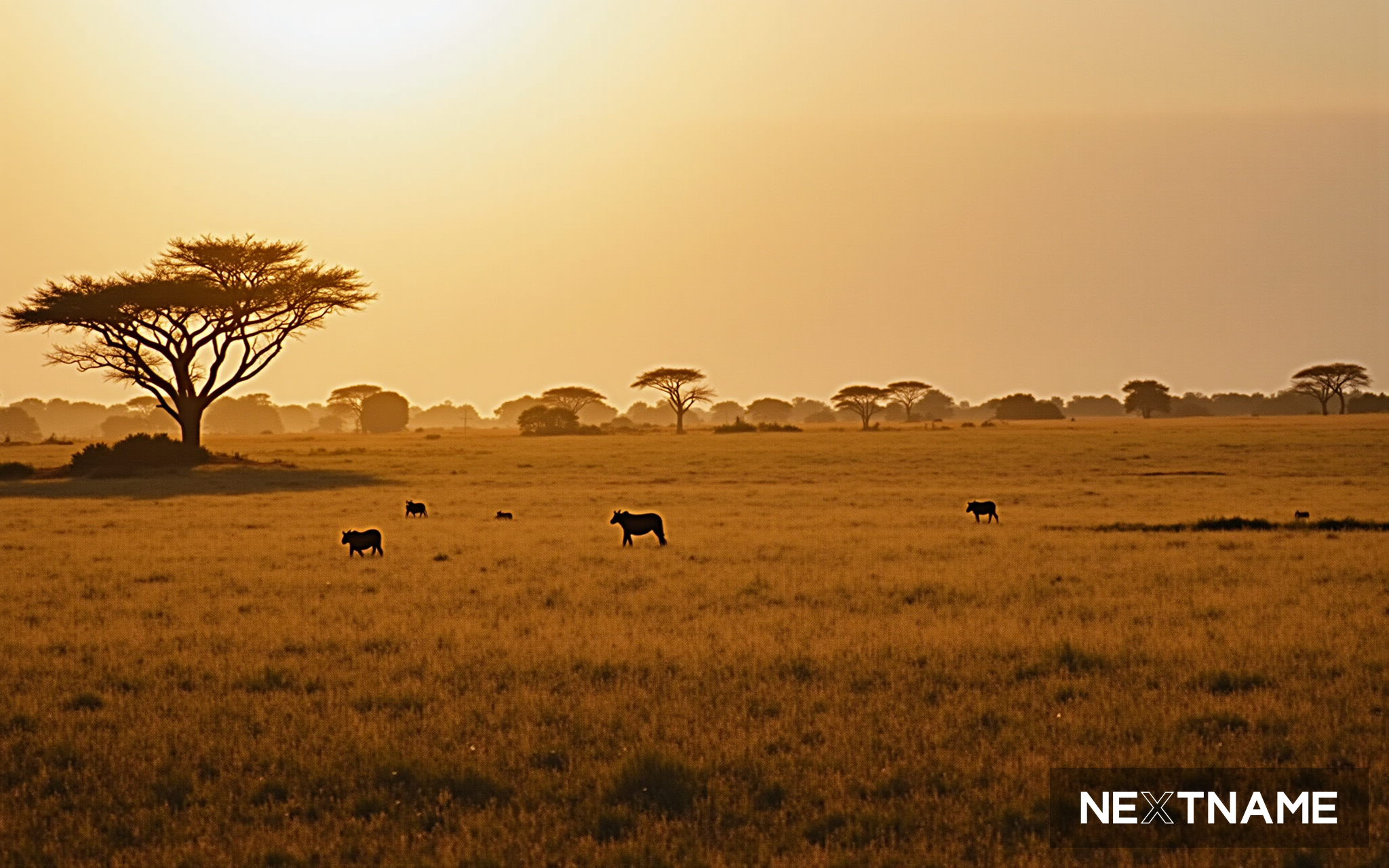
Masai Mara feels like stepping onto a living postcard, but the real magic is in the details you can actually experience. The core of the reserve splits into distinct zones: the open plains of the Central sector, the riverine forest along the Mara River where hippos wallow at Hippo Pool, and the quieter, wildlife‑rich corridors of Mara North and Olare Motorogi Conservancy. You’ll find lodges tucked into these spots — Governors’ Camp perched on the banks of the river, Mara Serena Safari Lodge perched on a hill with views of the plains, and the more intimate &Beyond Mara River Camp that blends into the bush. Morning game drives often start before sunrise, when the light turns the grass gold and the big cats are still active; afternoon walks along the riverbank let you hear the distant roar of a lion or the soft splash of a hippo.
Who ends up loving it? If you’re after close‑up wildlife encounters, endless horizons, and the chance to watch the Great Migration’s river crossings up close, this is your spot. The vibe is raw and uncomplicated — early‑morning coffee served in a canvas tent, evenings spent swapping stories around a fire while the sky deepens to a deep indigo. You’ll also get a taste of Maasai culture at a nearby village, where you can sample nyama choma grilled over an open flame and share a plate of ugali with sukuma wiki. If you prefer organized safaris that blend wildlife, culture, and a touch of comfort, the Mara delivers exactly that without the fluff.
Sightseeing
- Mara River Sunset Point – Watch the river turn gold as the sun dips behind the acacias; the view is best from the low‑rise deck near the Sand River. ≈ $15 entry / 30 min.
- Hippo Pool at Paradise Island – A short walk from the main road leads to a natural pool where hippos wallow; you can spot them up close without a guide. ≈ $5 donation / 45 min.
Food & Drink
- Nyama Choma at Kichwa Tembo Camp – Grilled goat served with ugali and a side of spicy sukuma wiki; the meat is cooked over an open fire and the setting is a rustic thatched‑roof bar. ≈ $20 per plate / 1 hr.
- Tea at Maasai Tea House, Narok Road – Freshly brewed Kenyan tea with a splash of milk, served in a clay cup; perfect for a quick pit‑stop before a game drive. ≈ $3 cup / 15 min.
Outdoor Nature
- Walking Safari in the Oloololo Escarpment – Guided foot trek along basalt ridges; you’ll hear the distant calls of secretary birds and see clusters of wild figs. ≈ $70 per person / 3 hrs.
- Bird‑watching at the Maasai Mara National Reserve’s Marshlands – Spot the endangered crowned crane and the pink‑backed pelican from the boardwalk near the Oloololo Gate. ≈ $10 park fee / 2 hrs.
Nightlife
- Starlit Campfire at Mara Serena Safari Lodge – Join a small group for a night‑time storytelling session with Maasai elders; the fire crackles while constellations blaze overhead. ≈ $25 per guest / 2 hrs.
- Night Game Drive at Governor’s Camp – Spot nocturnal predators on a 4×4 with a knowledgeable guide; the drive lasts about an hour and ends with a brief lantern‑lit walk. ≈ $80 per vehicle / 1 hr.
Cultural
- Maasai Village Tour at Kichwa Tembo – Walk through a traditional manyatta, watch a dance performance, and learn how the community crafts beadwork. ≈ $30 per person / 1.5 hrs.
- Traditional Beadwork Workshop at Olare Motorogi – Create your own necklace under the guidance of a local artisan; materials are provided and you keep the finished piece. ≈ $20 / 1 hr.
Day‑Trip
- Full‑Day Excursion to the Maasai Mara Conservancy’s Siana Springs – Includes a morning game drive, a picnic lunch by the springs, and an afternoon visit to the nearby Maasai cultural centre. ≈ $150 per person / 8 hrs.
- Hot‑Air Balloon Over the Mara Plains – Float at sunrise for a bird’s‑eye view of the savanna, then toast with champagne on landing; the pilot explains the terrain as you drift. ≈ $400 per person / 3 hrs (including transport).
Kichwa Guest House in Siana runs about $180–$210 per night and is perfect for solo travelers who want a local vibe and easy footpath access to the reserve.
Mara Explorers Camp tucked in Mara North asks $210–$260 per night and feels right for backpackers who love night drives and simple tents with shared bathrooms.
Basecamp Masai Mara sits in Olare Motorogi at $380–$430 per night and will suit couples craving privacy plus a pool that frames the river’s curve.
Olare Mara Camp also in Olare Motorogi charges $420–$470 per night and is ideal for photographers who need early‑morning game runs and a guide who knows every hideout.
Mara Serena Safari Lodge near the Oloololo Escarpment sits at $850–$950 per night and offers a spa and panoramic vistas for anyone who wants comfort after a long day of safari.
Elephant Plains Camp on a private concession asks $1,200–$1,350 per night and caters to honeymooners who desire a private plunge pool and candlelit dinners under a sky full of stars.
Getting to the Masai Mara – the practical route
1. Fly into Nairobi first
The international gateway for the Mara is Jomo Kenyatta International Airport (NBO). It’s the only hub that handles regular long‑haul flights from the U.S., Europe, the Gulf and East Asia.
| From | Typical connection | Flight time (incl. layover) | Typical price (round‑trip) |
|---|---|---|---|
| New York (JFK/EWR) | 1‑stop via Doha, Istanbul or Addis Ababa | 15–20 h total | $1,200‑$2,000 |
| London (LHR) | Direct to Nairobi on Kenya Airways or British Airways | ~9 h | $800‑$1,500 |
| Dubai (DXB) | Direct on Emirates or Kenya Airways | 4 h 30 m | $600‑$1,200 |
| Hong Kong (HKG) | 1‑stop via Doha, Istanbul or Nairobi’s own carrier | 12‑15 h | $1,000‑$1,800 |
You’ll almost always need a short domestic hop after you land in Nairobi.
2. Domestic hop – the real “gateway” to the Mara
From Nairobi’s Wilson Airport (WIL) you can catch a 45‑minute charter or scheduled flight to one of the Mara’s airstrips:
- Mara Serena Airport (KRA) – serves the main tourist camps and the Serena lodges.
- Ol Kiombo Airport (OGL) – a bit further east, used by some luxury operators.
- Kichwa Tembo Airport (KWT) – near the western boundary, popular with photographers.
Most charter operators charge $200‑$350 per person each way, depending on the aircraft size and how far in advance you book. Scheduled flights on Kenya Airways or Precision Air are a little cheaper (often $150‑$250) but run on fixed times that may not match your arrival.
3. Visa for U.S. citizens
- e‑Visa: Apply online at the official Kenya Immigration portal. It costs $50 (non‑refundable) and is valid for 90 days.
- Paper visa: Available on arrival, but the e‑Visa is faster and avoids the long immigration queue at NBO.
- What you need: Passport valid six months beyond your intended departure, a recent photo, and a printed copy of your e‑Visa confirmation.
No special vaccination proof beyond the usual yellow‑fever certificate if you’ve been in a yellow‑fever country in the last 10 days.
4. Ground transport once you’re in the Mara
If you’re staying at a camp that doesn’t have its own airstrip, you’ll most likely use a 4×4 safari vehicle arranged by the lodge. Typical options:
- Meet‑and‑greet at the airstrip – driver waits with a sign, takes you straight to the camp (30 min‑1 h depending on the lodge).
- Public shuttle – only runs on a few routes (e.g., from Mara Serena to the main road). It’s cheap ($15‑$20) but inflexible and often crowded.
- Self‑drive – not recommended unless you have a 4×4 licence and are comfortable with unpaved bush tracks; most visitors prefer the lodge’s driver.
5. Quick cheat‑sheet for your planning
- Book the international leg to NBO (or, if you’re lucky, a direct flight to Mara’s tiny airstrip like KRA during high season, but those are rare).
- Reserve a domestic flight from WIL to KRA (or OGL/KWT) as soon as your arrival time is firm – seats fill fast, especially July‑Oct.
- Apply for the e‑Visa at least a week before you travel; keep the PDF on your phone.
- Budget: Expect $200‑$350 for the short domestic hop, plus $15‑$20 for a meet‑and‑greet if your lodge offers it.
- Airfare snapshot:
- NYC → NBO: $1,200‑$2,000 round‑trip.
- LHR → NBO: $800‑$1,500.
- DXB → NBO: $600‑$1,200.
- HKG → NBO: $1,000‑$1,800.
Bottom line
The fastest, most reliable way to the Masai Mara is: fly into Nairobi (NBO), grab a short domestic flight from Wilson (WIL) to one of the Mara’s airstrips, then let your lodge’s driver take you the last few kilometers. It’s a small extra cost for a huge gain in time and comfort, and it lets you squeeze the maximum game‑viewing out of those prime wildlife months. Safe travels.
Masai Mara – When to Go
If you want wildlife action without the throngs, aim for the shoulder months of late October, early November, late February and early March. Those windows sit between the short rains and the dry season, and they also sit between the high‑season crowds and the peak price spikes.
| Month | Weather | Crowds | Pricing | What’s On |
|---|---|---|---|---|
| January | Warm, dry mornings, occasional afternoon showers. Daytime highs sit around 28 °C. | Moderate – the park is quieter after the December holiday rush. | Mid‑range lodges drop 10‑15 % from peak‑season rates. | New Year’s Day celebrations in Nairobi; no major Mara festivals. |
| February | Dry, clear skies, cool nights. Ideal for game drives. | Light – still a lull before the big migration push. | Best value of the year; many camps run 20‑30 % lower than July‑August. | Masai Cultural Festival (mid‑Feb) – short performances and craft fairs near the Oloololo gate. |
| March | Warm, dry, but the first hint of the long rains can appear toward the end. | Light to moderate; crowds start to rise as Easter approaches. | Prices begin to climb, but still 10‑20 % below July peaks. | Easter weekend brings a modest bump in visitors, especially around the main river crossings. |
| April | Short rains start mid‑month; afternoons can be wet, mornings stay dry. | Moderate – the park feels lush, but many travelers steer clear of the rain. | Lodges often run promotions; you can snag a tented camp for under $200 per night. | Mara Marathon (late Apr) – a charity run that starts at the Mara Serena Lodge and finishes at the Talek Gate. |
| May | Full short‑rain season; afternoon thunderstorms are common, but they clear fast. | Light – the park is at its most tranquil. | Prices dip again; budget camps can be found for $150‑$180 per night. | Rift Valley Festival (early May) – a small music and art gathering near Narok town. |
| June | Dry, cooler mornings, warm afternoons. Game viewing peaks as animals gather around water. | Growing – the start of the Great Migration’s northward move. | Prices begin to rise; expect a 15‑25 % increase from May lows. | Mara Cultural Week (mid‑June) – showcases Maasai dance, beadwork and traditional cooking. |
| July – August | Dry, clear skies, hot days. This is the high‑season for the migration river crossings. | Heavy – many tour operators fill up fast. | Peak pricing; luxury camps can hit $600‑$800 per night. | Great Migration River Crossings – peak activity around the Grumeti and Mara Rivers (late July‑early August). |
| September | Dry, still hot but the migration starts to move south again. | Moderate – crowds thin as the migration spreads out. | Prices start to fall; many camps offer “shoulder‑season” discounts. | Mara Safari Festival (late Sep) – a week of guided walks, photography talks and local food stalls. |
| October | Short rains return; mornings stay cool, afternoons can be drizzly. | Light – the park feels intimate again. | Good value; many lodges drop rates by 20‑30 % compared to July. | Maa Cultural Celebration (early Oct) – traditional rites and a market of handmade goods near the Oloololo gate. |
| November | Warm, occasional showers, but generally dry early in the month. | Light – the park is quiet after the migration departs. | Prices stay low; budget options often include all‑inclusive meals for under $180 per night. | No major festivals, but many camps host “bush dinner” nights with live Maasai music. |
| December | Warm, dry, clear skies. Holiday travelers start to trickle in. | Moderate – the park sees a small surge as families take winter breaks. | Prices begin to climb toward the end of the month; early December still offers decent deals. | Christmas and New Year’s packages – many lodges bundle meals and game drives for a fixed price. |
Why the Sweet‑Spot Works
- Weather: The short rains (April‑May, October‑November) bring a green backdrop and fewer tourists, but the rain usually stops by late afternoon, leaving plenty of dry time for game drives.
- Crowds: You’ll rarely wait more than a few minutes for a spot at a viewing point. The park feels personal rather than a parade.
- Pricing: Accommodation, especially in private conservancies like Olare Motorogi or Mara North, drops 20‑30 % during these months. Even luxury camps often run “early‑bird” specials that include meals and guided walks at a fixed rate.
- Events: Small cultural festivals give you a taste of Maasai life without the tourist‑trap feel. They’re usually held at the Oloololo Gate or in nearby Narok town, and they’re easy to fit into a half‑day itinerary.
Practical Tips
- Travel time: A 1‑hour flight from Nairobi’s Wilson Airport lands you at the Mara’s airstrips (e.g., Kichwa Tembo, Mara Serena). If you’re driving, the 5‑hour road trip from Nairobi can be broken up with a stop at Lake Nakuru for a quick photo op.
- What to eat: Try nyama choma (grilled goat) at a local boma near the Talek Gate; a plate costs about $12 and comes with ugali and sukuma wiki. For a sit‑down meal, The Mara Kitchen in Mara North serves a tasty tilapia stew for roughly $15.
- Budgeting: A mid‑range tented camp in Mara North runs about $250 per night (including meals and two game drives). Add a $30 park entry fee per adult and a $15 conservation fee, and you’re looking at roughly $300 total per night for a comfortable stay.
Bottom Line
Pick late October/early November or late February/early March if you want the best mix of weather, crowd control and price. Those months let you see the migration’s edge, catch a cultural festival, and still have money left for a sunset drink at Sopa Lodge’s rooftop bar — where a glass of Kenyan Kericho coffee liqueur costs about $8. Enjoy the Mara on your terms, not the brochure’s.
July, August, and September are the strongest windows for outdoor activities.
Scores blend climate, rainfall, and activity fit — outdoor active. Temperatures and rainfall are historical monthly averages; actual conditions vary year-to-year.
Forecast data from Open-Meteo · refreshed hourly
What travelers say.
Loading reviews…
Sign in to leave a review.
Sign in →If Masai Mara is your speed, try these.
Galapagos Islands
🇪🇨 EC83%The Galapagos feel like stepping onto another planet. In Puerto Ayora you’ll watch sea lions sprawl on sun‑warmed sand, then walk a short distance to the Charles Darwin Research Station where hatchlin…
Interlaken
🇨🇭 CH82%Interlaken feels like the Swiss version of a well‑organized base camp. The town splits into two halves — Interlaken Ost, where the bars and souvenir shops spill onto the lively Höheweg, and Interlaken…
Pokhara
🇳🇵 NP81%Pokhara feels like a breath of fresh air after the chaos of Kathmandu, especially if you love waking up to the mirror‑like surface of Phewa Lake. The Lakeside area, where most backpackers set up camp,…