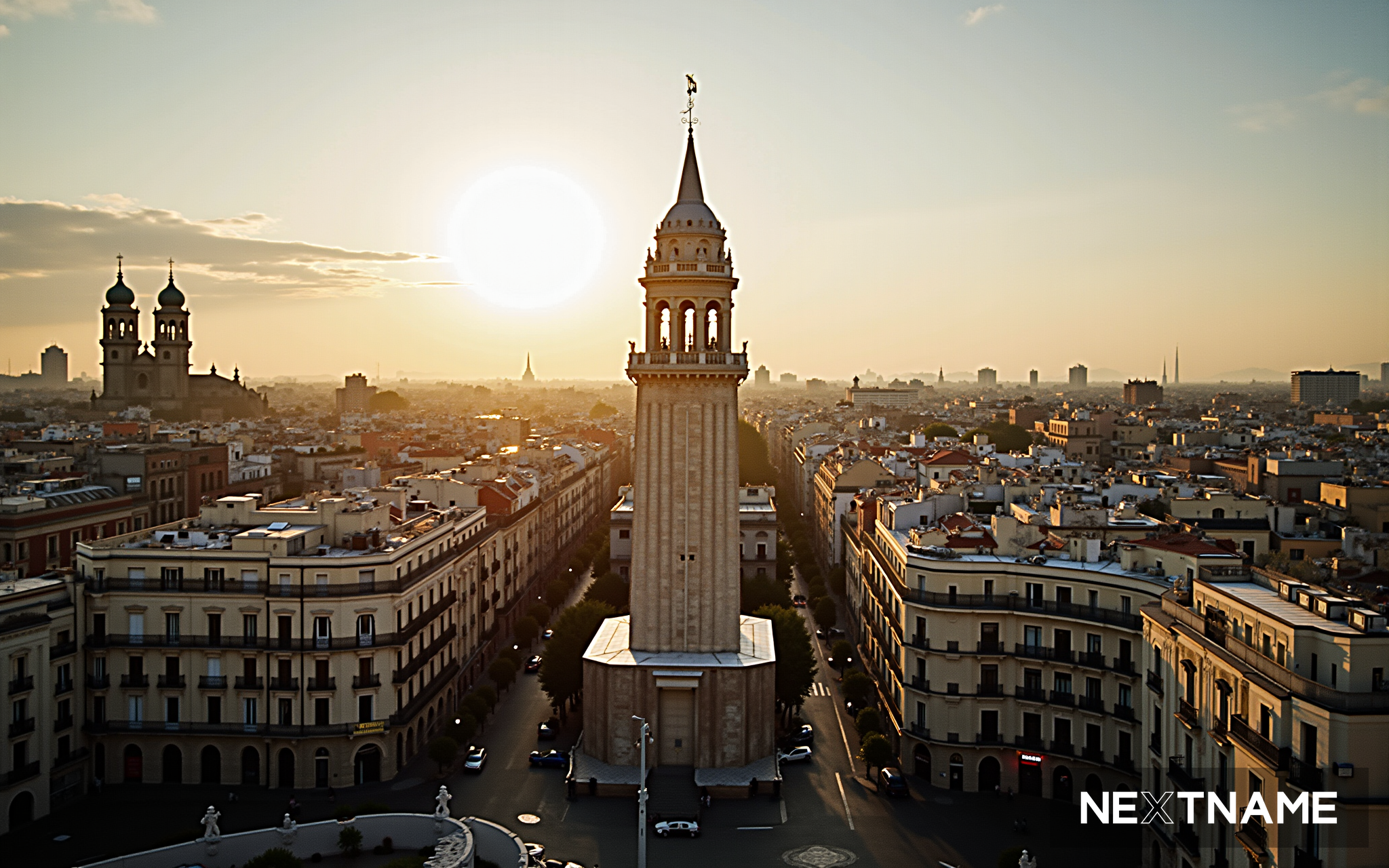
Madrid feels like a city that never quite sleeps, but it also gives you space to breathe between the rush of the morning and the buzz of late‑night tapas. You’ll find the historic heart around Plaza Mayor and the Royal Palace, where the stone streets still echo with centuries of footsteps, and then a short walk takes you to the leafy avenues of Salamanca, where boutiques and cafés sit shoulder‑to‑shoulder with centuries‑old churches. If you love art, the Prado, Reina Sofía and Thyssen‑Bornemisza are practically on the same block, so you can spend a morning inside world‑class museums and still be back in time for a vermú at a terrace in Malasaña. The vibe is a mix of laid‑back confidence and relentless energy—locals will tell you to “ir de tapas” after work, but they’ll also linger over a coffee for hours on a Sunday, watching the world go by from a shaded patio.
Who ends up falling for Madrid? It’s the kind of place that rewards the curious and the hungry—for both culture and food. If you’re the type who can spend an afternoon wandering the winding lanes of La Latina, sampling a plate of cocido madrileño (a hearty chickpea stew with chorizo) for under €12, or hunting down a perfect churros con chocolate at San Ginés at 2 a.m., you’ll feel right at home. Night owls love the pulsing clubs of Malasaña and the rooftop bars in Chueca, while history buffs can lose themselves in the winding alleys of the Austrias district, where every corner hides a story about Habsburg-era Spain. Budget‑wise, a metro ride is just €1.80, and a decent dinner in a neighborhood like Lavapiés rarely tops €20 per person if you stick to local bars rather than tourist traps. In short, if you enjoy a city that serves up both high‑culture museums and down‑to‑earth, unpretentious taverns, Madrid will feel like a friend who’s always got a new spot to show you.
Sightseeing
- Museo del Prado – “The Masterpieces Ticket” – See Velázquez, Goya and El Greco in a single‑room pass that skips the line; $22. 2 h.
- Templo de Debod – Sunset on the Terrace – Ancient Egyptian temple perched on a hill with city views; free, but bring a light jacket. 1 h.
- Plaza Mayor & Café de la Victoria – Sit at a historic square, order a cortado and watch the world go by; coffee $4, 45 min.
Food & Drink
- Mercado de San Miguel – Gourmet Tapas Tour – Grab jamón ibérico, pulpo a la gallega and a glass of vermouth from stalls; $15‑$20 for three bites. 1 h.
- Casa Lucio – “Huevos Rotos” – Classic fried‑egg‑over‑potatoes dish in a no‑frills tavern near La Moncloa; $18, 1 h.
- Taberna El Sur – Cocido Madrileño – Hearty chickpea‑and‑meat stew served in a rustic setting; $22, 1 ½ h.
Outdoor Nature
- Parque del Buen Retiro – Rowboat on the Great Pond – Paddle past the Crystal Palace and rose gardens; $5 for a 30‑minute boat, 1 h.
- Casa de Campo – Cable Car to the Teleférico – Ride the aerial tram over the forest canopy; $12 round‑trip, 45 min.
Nightlife
- La Cave – Jazz Club in Malasaña – Intimate venue with nightly sets; cover $10, 2 h.
- Bar Cock – Classic Cocktail Bar – Sip a Negroni in a 1920s‑style setting near Gran Vía; $12 per drink, 1 h.
Cultural
- Tablao Flamenco Cordobés – Evening Show – Watch professional dancers and guitarists in a historic tablao; $45 including dinner, 2 h.
- Reina Sofía Museum – “Guernica” Room – See Picasso’s masterpiece up close; $18, 1 ½ h.
Day Trip
- Toledo – “City of Three Cultures” – Take the 30‑minute AVE to this UNESCO site, wander the Jewish quarter, and sample mazapán; $70 round‑trip + $15 entry to the Cathedral, full day.
Each entry is a concrete spot, a quick note on what makes it worth your time, a rough price in U.S. dollars, and how long you’ll likely spend there. No fluff, just the details you need to plan.
Budget – ~ $70‑$110
- Hostal Persal – La Latina. This 19‑th‑century townhouse sits a block from the market stalls of Mercado de la Cebada. It’s a no‑frills spot that still feels like staying in a local’s home, and the price leaves room for a few extra tapas evenings.
- The Hat Madrid – La Latina. A former hospital turned chic hostel, with rooftop views over the river. The communal kitchen and nightly social dinners make it easy to meet other travelers without blowing your budget.
Mid‑range – ~ $130‑$190
- Urban Suites Mirador de las Torres – Cuatro Torres Business Area. Modern apartments with floor‑to‑ceiling windows and a small gym. It’s a short metro ride to the historic centre, perfect for business travelers who still want a quiet, spacious place to unwind.
- Only YOU Hotel Atocha – Near Retiro Park. A design‑forward boutique hotel tucked behind the Atocha train station. The rooftop terrace overlooks the park, and the on‑site restaurant serves a solid version of cocido madrileño for under $25.
Luxury – ~ $350‑$600
- Gran Meliá Palacio de los Duques – Near Gran Vía. Housed in a restored 19th‑century palace, the rooms blend classic décor with contemporary comforts. The location puts you steps from the shopping boulevard and the Royal Palace, and the service feels genuinely personal.
- Hotel Ritz Madrid – Paseo de la Castellana. An iconic white‑gloved palace on the edge of the financial district. The marble lobby, Michelin‑starred dining room, and immaculate spa make it the go‑to choice for a truly indulgent stay, especially if you want to treat yourself after a long day of sightseeing.
Getting to Madrid
Airports
The city’s main hub is Adolfo Suárez Madrid‑Barajas Airport (MAD) – IATA code MAD. It handles virtually all international arrivals. A smaller option is Cuenca Airport (CUEN), about 150 km south, used mostly for charter flights and low‑cost carriers; you’ll need a bus or train to reach the city.
Typical flight times from major hubs
- New York (JFK/EWR) – about 7 hours 30 minutes nonstop on airlines like Delta, American or Norwegian.
- London (LHR) – roughly 2 hours 15 minutes nonstop; British Airways and Iberia run several daily flights.
- Dubai (DXB) – around 6 hours 45 minutes with Emirates or Qatar Airways, often with a brief stop in Doha if you’re on a connecting ticket.
- Hong Kong (HKG) – about 13 hours nonstop on Cathay Pacific; there are also one‑stop options via Istanbul or Doha that shave an hour off.
Alternative ground transport
If you’re already in Spain or nearby, high‑speed rail is a solid backup. The AVE line from Barcelona reaches Madrid in 2 hours 45 minutes; from Valencia it’s about 1 hour 45 minutes. Long‑distance buses (ALSA, FlixBus) are cheaper but slower—expect 7‑9 hours from Barcelona or 5‑6 hours from Seville.
Visa requirements for U.S. citizens
No visa is needed for tourism, business or short‑term study stays up to 90 days. You just need a valid U.S. passport (must be good for at least six months from your arrival date) and proof of onward travel or accommodation if asked at the border. If you plan to work or stay longer, you’ll need to apply for a specific visa or residence permit.
Airfare range
Economy fares fluctuate with season and how far in advance you book. In off‑peak months (late October‑early December, January‑March) you’ll often see tickets $500‑$700 round‑trip from the U.S. During peak summer (June‑August) and holiday periods (Christmas, Easter), prices typically climb to $900‑$1,200. Watch for sales on carrier websites or use fare‑comparison tools; sometimes you can snag a deal under $500 if you’re flexible with dates and willing to fly a low‑cost carrier into a nearby hub (e.g., flying into Málaga (AGP) and taking a train to Madrid).
Bottom line
Most travelers find the quickest, most convenient route is a direct flight into Barajas (MAD). Keep an eye on airline schedules, book a few weeks ahead in shoulder seasons, and you’ll be in the capital without breaking the bank. Safe travels!
January
Cold bites—average highs hover around 9 °C, lows dip to 2 °C. Snow is rare but you’ll feel the wind off the Sierra de Guadarrama. Tourist crowds are thin; most museums and restaurants keep regular hours. Hotel rooms sit at 30‑40 % of their summer rates, and a night in a decent 3‑star near Gran Vía will run you about €70. Flights from most European hubs are cheap, often under €150 round‑trip. The big draw is the Fiesta de San Antón (mid‑January) when locals light bonfires in the Retiro and eat roasted chestnuts. It’s a low‑key street party, perfect for a quick cultural dip without the throngs.
February
Temperatures climb just a notch—highs near 11 °C, lows around 3 °C. Rain chances rise, so pack a waterproof jacket. Visitor numbers stay low, and you can snag a boutique hotel room for roughly €80‑90. A three‑course dinner at a traditional spot serving cocido madrileño costs about €25, including a glass of Rioja. The Carnaval de Cádiz vibe spills into Madrid with street bands in Plaza Mayor on the first weekend; it’s lively but not packed.
March
Spring starts to whisper. Daytime highs reach 15 °C, nights stay cool at 5 °C. Crowds begin to swell as Easter approaches. Hotel prices jump 20‑30 % compared to February, but you can still find a central Airbnb for €110 per night. The Madrid Fashion Week (early March) draws a fashion‑savvy crowd; tickets for the runway shows run €30‑50. If you’re into food, try a bocadillo de calamares at a bar near Puerta del Sol—about €4‑5.
April
The sweet‑spot begins. Average highs climb to 18 °C, lows around 7 °C. Rain is occasional, but sunshine dominates. Tourist flow is moderate—enough to feel the buzz without waiting in long lines. Mid‑range hotels hover around €130 per night; a night in a budget hostel drops to €45. The Feria de Abril (late April) turns the fairgrounds into a sea of tents, flamenco music, and tapas plates priced €8‑12. It’s a great time to wander the gardens of the Royal Palace without the summer crush.
May
Peak shoulder season. Daytime highs hit 22 °C, nights stay mild at 12 °C. Crowds rise, but they’re still manageable. Hotel rates climb to €150‑180 for a double room in the Salamanca district. A dinner of huevos rotos with jamón ibérico at a reputable tavern costs roughly €30‑35. The Fiesta de San Isidro (mid‑May) is the city’s biggest folk festival—think traditional dress, live chulapas dancing, and street food stalls selling rosquillas for €1.5 each. Book tickets for the Royal Palace guided tour early; the 90‑minute slot fills fast.
June
Early summer heat arrives—highs around 27 °C, nights at 16 °C. The city feels alive, but tourist numbers peak. Hotels in the city centre push €200‑250 per night; booking a few weeks ahead can save you €30‑40. Flight prices rise modestly, often hitting €200‑250 from major European cities. The Madrid Pride (Orgullo Gay) parade in late June draws massive crowds to Chueca; it’s vibrant, but expect long lines for clubs and bars. Prices at nightlife spots jump 15‑20 % during the festivities.
July
Full‑blown summer. Temperatures soar to 31 °C in the shade, nights stay above 18 °C. Crowds are at their highest; the city feels packed, especially around the Prado and Retiro. Hotel rates peak at €250‑300 for a double room. A simple tapas crawl in La Latina can set you back €25‑30 for three plates and a glass of vermut. The Festival de Verano brings open‑air concerts to the Casa de Campo; tickets start at €20. If you can handle the heat, July offers endless daylight for sightseeing.
August
Heat peaks—average highs 33 °C, lows 20 °C. Many locals leave for the coast, so the city feels quieter in some neighborhoods, though tourist hotspots stay busy. Hotel prices dip slightly, around €190‑220, as a few properties offer summer discounts. A plate of jamón ibérico at a museum café costs about €12. The Feria de Agosto in the Casa de Campo brings carnival rides, flamenco shows, and cheap churros for €2. It’s a good month for budget‑friendly stays if you don’t mind the heat.
September
The second shoulder sweet‑spot. Daytime highs settle around 26 °C, nights cool to 14 °C. Crowds thin out after the August rush, and hotel rates drop back to €140‑170. A dinner of cocido madrileño in a historic tavern costs roughly €22. The Feria de Septiembre (early September) celebrates the city’s cultural heritage with free concerts, art installations, and street food stalls selling pulpo a la gallega for €6. Flight prices are still reasonable, often under €180 round‑trip from most European capitals.
October
Autumn settles in. Temperatures hover between 18 °C and 10 °C. Visitor numbers stay moderate, making it easy to snag a central hotel for about €130. The Fiesta de San Francisco (mid‑October) brings traditional processions, live castanets, and a chance to try panellets (almond sweets) for €1 each. A glass of vino de la región at a local bar runs around €5. The weather is crisp but pleasant—ideal for strolling the Retiro or catching a sunset from the Temple of Debod.
November
Cool and damp. Average highs sit at 13 °C, lows near 5 °C. Tourist flow drops sharply; hotels dip to €100‑120 for a double room. A hearty cocido madrileño at a classic restaurant costs about €18. The Madrid International Film Festival (late November) offers screenings across the city; tickets range €8‑15. If you love museums, this is a great time to explore the Museo Nacional del Prado without queues.
December
Winter sets in, but the city sparkles with holiday lights. Temperatures hover around 9 °C daytime, 2 °C at night. Tourist numbers dip again, and you can find a good hotel near Gran Vía for €90‑110. Christmas markets in Plaza Mayor sell turrón and mazapán for €3‑5 each. A festive dinner featuring lamb with rosemary at a mid‑range spot costs roughly €45. The Christmas lights on Gran Vía and Castellana stay up until early January—perfect for evening walks.
Bottom line
If you want the best mix of pleasant weather, manageable crowds, and reasonable prices, aim for late April to early May or mid‑September to early October. Those windows let you enjoy outdoor cafés, catch major festivals, and still keep accommodation and flight costs in check. Avoid July and August if you’re budget‑conscious or dislike heat; they’re spectacular for nightlife but come with higher prices and larger crowds. Plan around the specific events you want—San Isidro in May for folk tradition, Feria de Abril in April for fairground fun, or the September cultural fair for a quieter, artsy vibe. Adjust your itinerary based on what you value most: sunshine, festivals, or a quieter cityscape. Safe travels!
June, May, and September are the strongest windows for sightseeing.
Scores blend climate, rainfall, and activity fit — cultural. Temperatures and rainfall are historical monthly averages; actual conditions vary year-to-year.
Forecast data from Open-Meteo · refreshed hourly
What travelers say.
Loading reviews…
Sign in to leave a review.
Sign in →If Madrid is your speed, try these.
Tokyo
🇯🇵 JP91%Tokyo feels like a city that never stops moving, but it’s also surprisingly easy to find a quiet corner if you know where to look. In Shinjuku the skyline is a wall of neon and glass, yet just a few b…
Paris
🇫🇷 FR91%Paris feels like a city you can actually walk through and still find something new around every corner. The streets of Saint‑Germain‑des‑Prés hum with cafés where you can sip a café au lait while watc…
Berlin
🇩🇪 DE90%Berlin doesn’t feel like a city you visit—it feels like a city you step into and realize you’ve been waiting for. You’ll find it in the raw energy of RAW-Gelände in Friedrichshain, where Soviet-era wa…