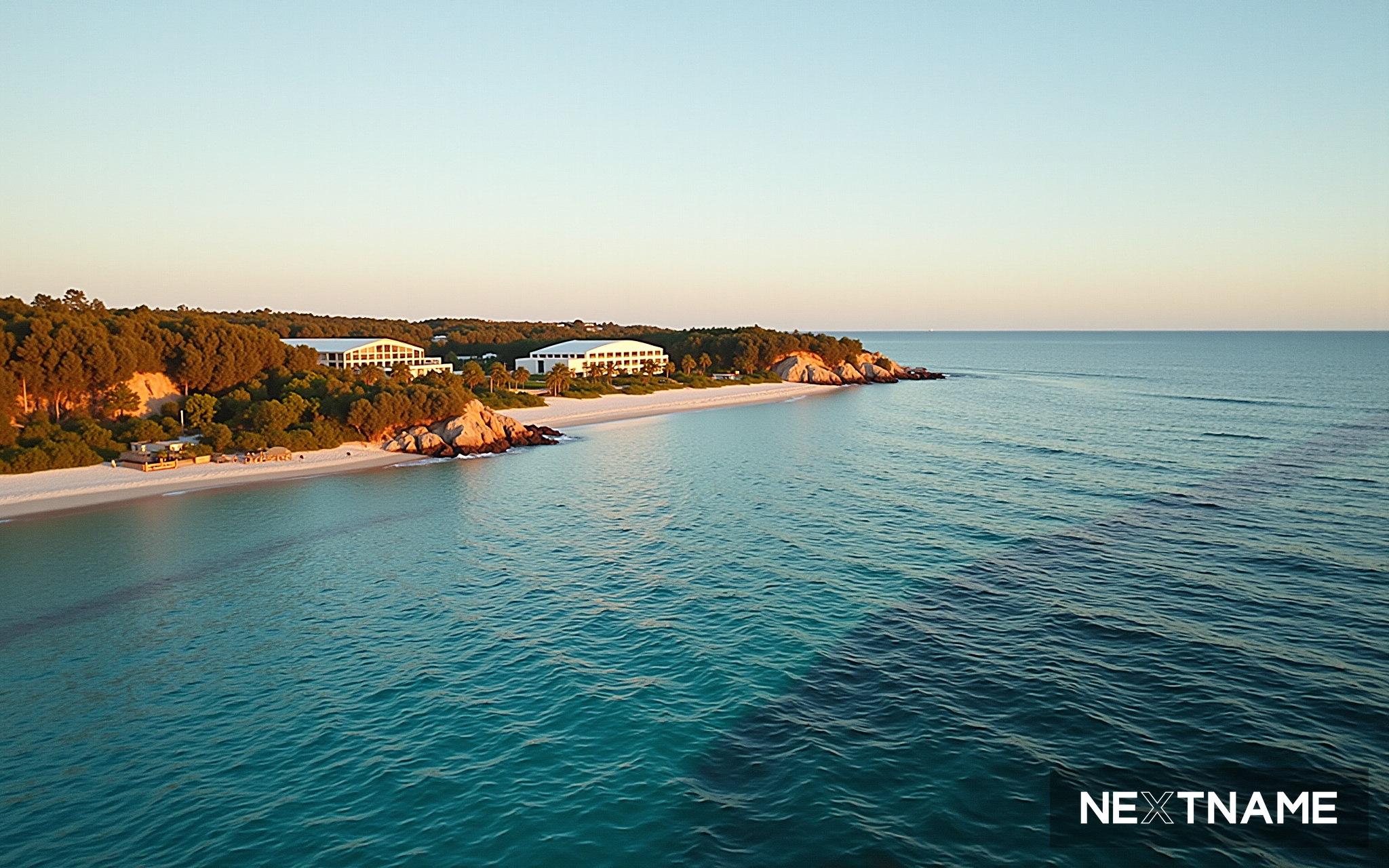
The Great Barrier Reef stretches over 2,300 kilometres off Queensland’s northeast coast, wrapping around the Whitsunday Islands and lapping against the coral cays of Heron Island and the sandy shores of Port Douglas. It isn’t a single spot but a patchwork of outer reefs, lagoonal waters and protected marine parks. Landmarks like Reef HQ in Townsville let you watch giant turtles up close, while dive operators in Cairns take you to the Cod Hole where massive potato cod gather in the shallows.
If you love snorkeling or diving, the reef offers everything from the shallow coral gardens at Hardy Reef to the dramatic wall dives at Osprey Reef. Families often base themselves in the Whitsundays for easy boat trips to Whitehaven Beach and the chance to spot manta rays at Manta Ray Bay near Heron Island. The vibe is relaxed but purposeful; many operators run low‑impact tours that let you see the reef without trampling the corals. Expect fresh seafood at local spots — try banana prawns at a beachside shack in Port Douglas or a grilled coral trout at a resort on Hamilton Island. The overall feel is a mix of adventure and laid‑back coastal charm, perfect for travelers who want both underwater thrills and a chance to unwind on pristine sands.
Great Barrier Reef – Things to Do
| Category | Name | 1‑Sentence description | Approx. cost (USD) | Time needed |
|---|---|---|---|---|
| sightseeing | Heron Island Resort’s Coral Gardens | Walk the boardwalk at low tide to see colourful coral outcrops right off the beach, with occasional sea‑turtles gliding by. | $150 (resort day‑pass, includes shuttle) | 3 hrs |
| sightseeing | Port Douglas Reef Cruise – Glass‑Bottom Boat | Glide over the reef in a glass‑bottom vessel and watch the marine life without getting wet; the guide points out giant clams and reef fish. | $120 (adult) | 4 hrs |
| food_drink | Crab & Prawn Curry at The Beach House, Airlie Beach | A hearty, locally caught seafood curry served with fragrant jasmine rice, praised by repeat visitors for its spice balance. | $28 (main) | 1.5 hrs (incl. meal) |
| food_drink | Reef Fish Tacos at The Wharf, Cairns | Freshly grilled reef fish tucked into soft corn tortillas, topped with mango salsa and a squeeze of lime – a favourite street‑food spot. | $12 (3 tacos) | 1 hr |
| outdoor_nature | Hamilton Island Eco‑Walk to Hill Inlet | A 2‑km trail through coastal rainforest that drops you at the iconic white‑sand inlet where turquoise water meets powdery dunes. | Free (self‑guided) | 2 hrs (incl. return ferry) |
| outdoor_nature | Snorkel at Hardy Reef with Reef HQ | Drop a mask and snorkel at a protected reef zone; the operator provides a reef‑safe sunscreen kit and a brief marine‑life briefing. | $95 (incl. gear & guide) | 3 hrs |
| nightlife | The Wharf Bar, Cairns – Sunset Cocktails | Sip a locally brewed rum‑based cocktail on the waterfront while the sky turns pink; the bar often features live acoustic sets. | $15 (drink) | 2 hrs (sunset to dark) |
| cultural | Aboriginal Cultural Centre, Palm Cove | Join a guided talk by a local Yirrganydji elder, learning about Dreamtime stories, traditional shell ornaments, and bush tucker. | $30 (entry + talk) | 1.5 hrs |
| day_trip | Heron Island Day Trip – Great Barrier Reef Marine Park Tour | Take a full‑day boat from Bundaberg that includes a guided reef walk, lunch on board, and a chance to spot manta rays. | $210 (incl. transport, lunch, guide) | 8 hrs |
All prices are estimates for 2025 and can vary with season; book ahead for the most popular tours.
Budget
- Cairns YHA Backpackers – Cairns City | $80‑$110 USD/night – great for solo travelers who want a social vibe and a short walk to the waterfront.
- The Reef House – Cairns Esplanade | $100‑$130 USD/night – simple rooms with a rooftop pool right next to the marina, perfect for backpackers who like a splash after exploring.
Mid‑range
- Cairns Colonial House – Cairns Central | $190‑$240 USD/night – heritage charm with a pool and a quick walk to reef‑boarding terminals, ideal for couples seeking comfort without breaking the bank.
- Reef View Hotel – Cairns North | $210‑$260 USD/night – modern rooms and a lagoon‑style pool, a solid pick for families who need space and easy shuttle access to the islands.
Luxury
- Lizard Island Resort – Lizard Island | $650‑$800 USD/night – exclusive private villas with direct beach access and fine‑dining, the go‑to for travelers who want an all‑in‑one escape.
- Heron Island Resort – Heron Island | $550‑$700 USD/night – upscale resort with a spa, multiple dining venues, and quick boat trips to the reef, perfect for those who crave pampering and pristine surroundings.
Getting to the Great Barrier Reef
Airports you’ll actually use
- Cairns (CNS) – the biggest gateway, about 70 km from the reef’s outer edge. Most international flights land here.
- Hamilton Island (HTI) – a smaller airport that handles direct charter flights from Brisbane and some regional carriers.
- Proserpine (PPP) – the closest commercial airport to the Whitsunday Islands; a 30‑minute drive to Airlie Beach.
Flight times from the big hubs
- NYC → CNS: 20 h + (usually one stop in Los Angeles, Singapore or Dubai). Expect to spend a full day in the air plus layovers.
- LHR → CNS: 21 h + (typical routing through Dubai, Singapore or Hong Kong). You’ll lose a night, but the scenery on approach is worth it.
- DXB → CNS: 15 h + (usually a single stop in Kuala Lumpur or Bangkok). The flight feels shorter because of the shorter overall distance.
- HKG → CNS: 9 h + (direct seasonal service on Cathay Pacific). If you’re coming from Asia, this is the quickest hop.
Ground transport once you’re on the ground
- From CNS you’ll hop on a shuttle bus to the reef marina (≈ 30 min, $15 AUD). From there, day‑cruise operators ferry you out to the outer reef.
- If you land on HTI, a 10‑minute taxi ride drops you at the island’s main jetty; most resorts run their own boat transfers.
- From PPP you can catch a shuttle to Airlie Beach (≈ 45 min, $12 AUD) and then join a reef tour from there.
Visa for US citizens
- You need an eVisitor (subclass 651) or an ETA (subclass 601). Both are applied for online, cost about 20 AUD, and let you stay up to 90 days for tourism. The process takes minutes; just have a passport that’s valid for at least six months.
Airfare ballpark
- Economy from the US: $1,200 – $2,200 round‑trip, depending on how early you book and which hub you depart from.
- Business: $3,500 – $6,000 round‑trip. You’ll usually get a shorter layover and a better seat for the long haul.
What you’ll actually pay for food on the way
- A quick bite at Cairns’ Rusty’s Market – a plate of Barramundi with lemon myrtle will run you about $28 AUD.
- If you’re staying on Hamilton Island, a dinner of Tropical fruit pavlova at the resort restaurant is roughly $35 AUD.
Bottom line
- Fly into Cairns if you want the most flight options and the cheapest transfers.
- Choose Hamilton Island if you’re after a more secluded start and don’t mind a short charter flight.
- Remember to sort your eVisitor before you book; it’s a tiny step that saves a headache at immigration.
All of the above is laid out the way you’d expect from a friend who’s done the trip a few times – no fluff, just the routes, the costs and the little details that keep the travel plans moving smoothly. Safe travels.
Great Barrier Reef – When to Go
If you want clear water, manageable crowds and a price tag that doesn’t make you wince, aim for the shoulder months. Anything outside the peak summer rush or the winter holiday surge will give you the best mix of weather and value.
January – Wet, Warm, Cheap
- Weather: Average highs sit around 31 °C (88 °F). Rain showers are frequent, and the chance of a cyclone spikes after mid‑month.
- Crowds: Very low. Most Australian families are still on school holidays, but the reef itself sees only a handful of boats.
- Pricing: Flights and accommodation drop 20‑30 % compared with July. Dive operators often run “wet‑season specials” that include extra gear rentals.
- Events: None major, but you might catch the tail end of the tropical fruit festivals in Cairns.
Opinion: If you don’t mind occasional showers and love a bargain, January is a quiet playground. Just keep an eye on the weather forecast and book a flexible cancellation policy.
February – Still Wet, Still Cheap
- Weather: Similar to January, but the rain usually eases toward the end of the month. Sea temps hover near 28 °C (82 °F).
- Crowds: Still sparse. The school holiday rush has faded, so you’ll often have whole islands to yourself.
- Pricing: Slight uptick from January, but still 15‑25 % below peak season rates.
- Events: The “Coral Spawning” window begins late February in some northern sites — an underwater spectacle you can watch from a live‑stream on the reef.
Opinion: February is a hidden window for budget travelers who can tolerate a few afternoon thunderstorms.
March – Transition Begins
- Weather: Rainfall drops sharply. Daytime temps settle around 30 °C (86 °F) with lower humidity.
- Crowds: Begin to rise, but you’ll still find plenty of empty moorings.
- Pricing: Prices start to climb, yet they remain 10‑15 % under the July‑August peak.
- Events: The “Cairns Indigenous Arts Festival” kicks off, offering cultural performances on the waterfront.
Opinion: March is the last chance to snag low prices before the dry season fully arrives.
April – First Dry‑Season Sweet Spot
- Weather: Dry, sunny days with average highs of 28 °C (82 °F). Sea conditions calm, visibility often exceeds 30 m (100 ft).
- Crowds: Moderate. Australian families start their school holidays, but the bulk of international tourists haven’t arrived yet.
- Pricing: Mid‑range. Expect a 5‑10 % bump from March, but still cheaper than June‑August.
- Events: “Tropical Art Expo” in Port Douglas showcases local artists; great for a cultural side‑trip.
Opinion: April hits the sweet‑spot for most travelers — good weather, manageable crowds, and reasonable rates.
May – Second Dry‑Season Sweet Spot
- Weather: Still dry, with daytime temps around 27 °C (81 °F). Nights become noticeably cooler.
- Crowds: Light to moderate. The Australian holiday window closes, leaving mostly overseas visitors.
- Pricing: Starts to dip again as the high‑season rush wanes. You can find 10‑15 % discounts on live‑bait tours.
- Events: “Whale Festival” in Heron Island celebrates humpback whale sightings; boat tours run daily.
Opinion: May is a quiet, scenic month — perfect if you love calm seas and lower prices without sacrificing weather.
June – Dry‑Season Peak Begins
- Weather: Sunny, dry, and cooler. Daytime highs sit near 26 °C (79 °F). Water is crystal clear.
- Crowds: Higher. Australian winter holidays bring families to the reef.
- Pricing: Prices climb 10‑20 % compared with May. Accommodation in Cairns and the Whitsundays fills quickly.
- Events: “Coral Reef Marathon” (a 10 km open‑water swim) draws athletes from around the world.
Opinion: June is beautiful but pricier. If you can handle the crowds, you’ll enjoy the best underwater visibility.
July – High‑Season Hub
- Weather: Coolest and driest month. Daytime temps around 25 °C (77 °F).
- Crowds: Peak. The reef sees the highest number of live‑bait operators and charter boats.
- Pricing: Highest of the year. Expect a 25‑30 % premium on flights and hotels.
- Events: “Great Barrier Reef Festival” features fireworks, live music and marine talks.
Opinion: July is ideal for those who prioritize perfect weather over cost. Book everything months ahead.
August – Still Busy, Still Warm
- Weather: Similar to July — dry, clear, and comfortably warm.
- Crowds: Still high, but the tail end of the school holidays begins to thin the crowd.
- Pricing: Slightly lower than July, but still above the shoulder‑season average.
- Events: “Whale Watching Spectacle” continues; you can spot humpbacks breaching near the outer reef.
Opinion: August is a good compromise if you want decent weather and a slight price dip compared with July.
September – Shoulder Season Returns
- Weather: Warm again, averaging 27 °C (81 °F). Rain returns sporadically but isn’t persistent.
- Crowds: Declining. Most Australian families are back at work, leaving the reef less crowded.
- Pricing: Drops back into the mid‑range. You can often find 15‑20 % discounts on live‑bait packages.
- Events: “Coral Spawning Night Tours” become available — guided night dives to witness the mass spawning event.
Opinion: September is another sweet‑spot month, offering good weather, fewer tourists and lower prices.
October – Early Wet‑Season Edge
- Weather: Temperatures climb to 29 °C (84 °F). Humidity rises, and the first rain showers appear.
- Crowds: Light. Most holidaymakers have left, so you’ll often have whole islands to yourself.
- Pricing: Prices dip again, matching May levels.
- Events: “Great Barrier Reef Marathon” (different location) and local seafood festivals pop up in coastal towns.
Opinion: October is a great value period if you don’t mind occasional showers and a slight increase in humidity.
November – Wet‑Season Build‑Up
- Weather: Hot and increasingly humid. Rain becomes more frequent, especially toward the month’s end.
- Crowds: Very low. The reef is practically empty.
- Pricing: Cheapest of the year — up to 35 % off peak‑season rates.
- Events: “Coral Spawning” peaks in many northern sites; live‑bait operators often schedule special night dives.
Opinion: November is a budget traveler’s dream, but be prepared for potential weather disruptions.
December – Wet‑Season Peak
- Weather: Hot, humid, and rainy. Cyclone season officially starts, so keep an eye on alerts.
- Crowds: Minimal. Most tourists avoid this month.
- Pricing: Lowest prices of the year. You can snag 30‑40 % discounts on resort stays.
- Events: “Christmas Island Festivities” in nearby towns include cultural performances and fireworks over the water.
Opinion: December is perfect for the adventurous traveler who wants rock‑bottom prices and can tolerate unpredictable weather.
Bottom Line
- Best shoulder months: April‑May and September‑October.
- Why: Warm, dry weather, moderate crowds and price tags that sit comfortably between the cheap wet‑season and the pricey high‑season.
- If you love festivals: Try May for the Whale Festival or September for the Coral Spawning Night Tours.
- If you’re on a strict budget: November‑December will give you the lowest costs, but pack a rain jacket and stay flexible.
Pick the window that matches your priorities — weather, crowd tolerance or price — and you’ll experience the Great Barrier Reef at its most rewarding. Safe travels!
September, November, and October are the strongest windows for beach days.
Scores blend climate, rainfall, and activity fit — beach. Temperatures and rainfall are historical monthly averages; actual conditions vary year-to-year.
Forecast data from Open-Meteo · refreshed hourly
What travelers say.
Loading reviews…
Sign in to leave a review.
Sign in →If Great Barrier Reef is your speed, try these.
Zanzibar
🇹🇿 TZ86%Zanzibar feels like stepping into a place where the sea breeze carries more than just salt—it brings the scent of cloves, cinnamon and cardamom from the spice farms that fringe the island. The old qua…
Galapagos Islands
🇪🇨 EC85%The Galapagos feel like stepping onto another planet. In Puerto Ayora you’ll watch sea lions sprawl on sun‑warmed sand, then walk a short distance to the Charles Darwin Research Station where hatchlin…
Fiji
🇫🇯 FJ84%Fiji feels like a place where the ocean sets the clock. In Suva’s downtown you’ll hear the clatter of the market on Cumming Street, while the white‑sand beaches of Natadola stay quiet enough that you …