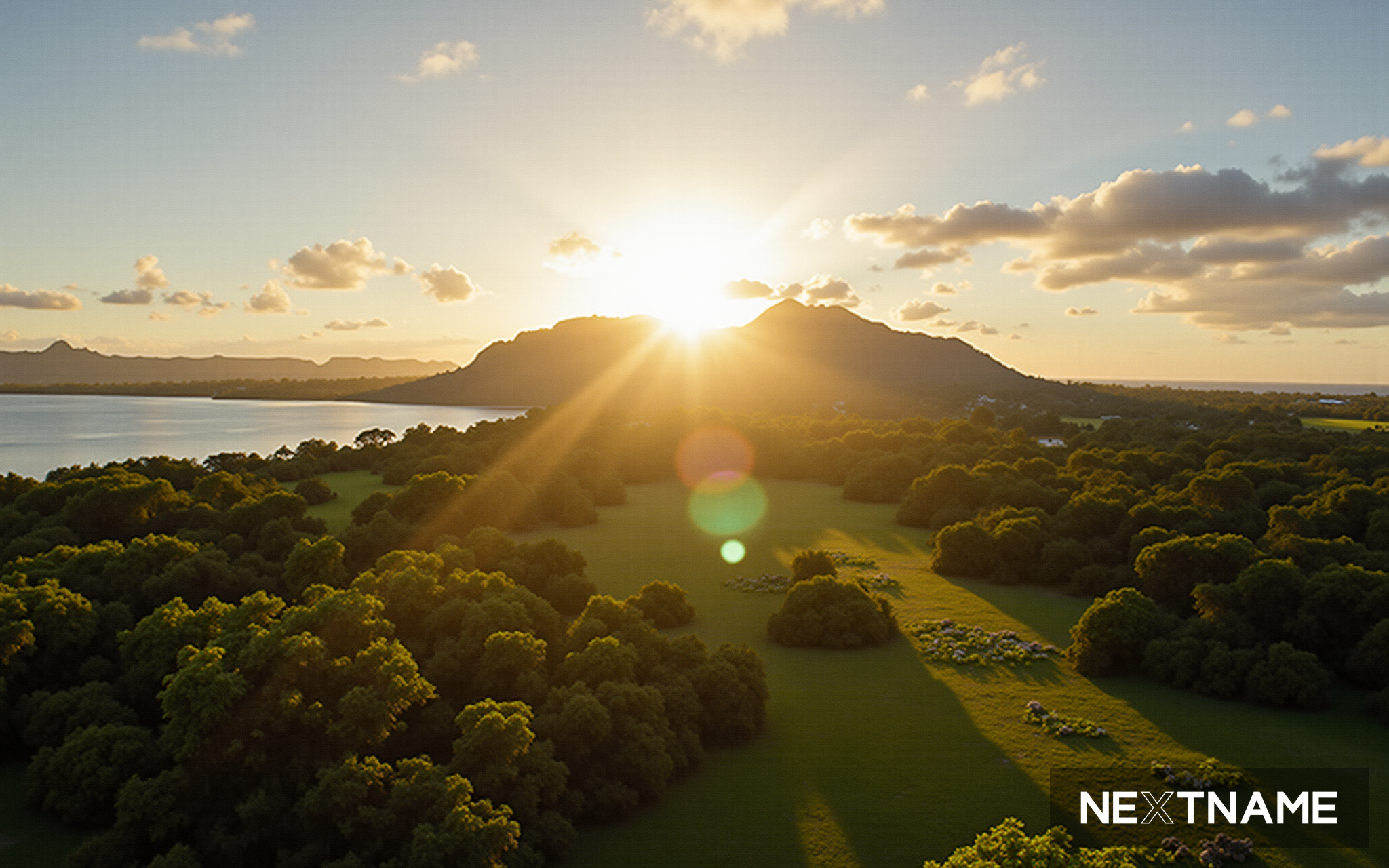
Fiji feels like a place where the ocean sets the clock. In Suva’s downtown you’ll hear the clatter of the market on Cumming Street, while the white‑sand beaches of Natadola stay quiet enough that you can hear the waves slap the shore without a crowd shouting for attention. The vibe is easy‑going but not lazy; locals greet you with a “Bula” that sounds more like a promise than a greeting, and the food reflects that mix of simplicity and flavor — try the kokoda at a beachside stall in Pacific Harbour or the i‑kawa curry at a small eat‑shop in Nadi. If you love diving, the coral walls around the Mamanuca Islands are a short boat ride from Port Denarau, and the same ride will drop you off at the floating Cloud 9 bar for a sunset drink that costs less than a night in a city hotel.
Who ends up loving Fiji? Folks who want a beach that isn’t packed, families who need a resort with a kids’ club but also a chance to watch a traditional lovo feast in a village, and anyone who enjoys swapping a city commute for a 30‑minute drive along the Coral Coast. The islands aren’t cheap, especially on the high‑end resorts on Laucala or Malolo, but you can stay in a modest guesthouse in Labasa for a fraction of that and still get fresh fish straight from the market. If you’re after nightlife, head to the bars on Denarau Island; if you prefer silence, the rainforest trails around the Garden of the Sleeping Giant near Suva give you a different kind of peace. Either way, you’ll leave with a tan, a few new recipes, and the feeling that you’ve actually been somewhere, not just checked a box.
Sightseeing
- Garden of the Sleeping Giant – Orchid‑filled valley near Nadi that feels like stepping into a tropical greenhouse. Cost: $12. Time: 2 hrs.
- Suva’s Thurston Gardens – Historic botanical spot in the capital, shaded by towering palms and dotted with colonial statues. Cost: free. Time: 1.5 hrs.
Food & Drink
- Kava ceremony at Nakamal – Sit on woven mats, sip the earthy drink, and watch locals perform the ritual. Cost: $8 (includes kava). Time: 1 hr.
- Lovo feast at Fiji Village – Underground oven‑cooked pork, taro, and fresh fish served on banana leaves. Cost: $25 per plate. Time: 2 hrs (including buffet).
Outdoor Nature
- Sabeto Mud Pools & Hot Springs – Warm mineral pools tucked in the Sabeto Valley; a quick soak after a short hike. Cost: $15 (entry + guide). Time: 3 hrs.
- Rainbow Reef snorkeling at Taveuni – Vibrant coral walls teeming with fish, accessible via a 30‑minute boat ride. Cost: $45 (gear + boat). Time: half‑day (≈4 hrs).
- Kula Eco Park – Conservation centre where you can hand‑feed iguanas and see endangered Fiji parrots. Cost: $10 entry. Time: 2 hrs.
Nightlife
- The Beach Club at Barefoot Mamanuca – Chill on bean‑bags, sip a coconut cocktail, and let live acoustic sets roll into sunset. Cost: $10‑$20 for drinks. Time: 3‑4 hrs (stay as long as you like).
Cultural
- Navala Village experience – Traditional thatched homes, a welcome ceremony, and a chance to learn about Fijian customs. Cost: $30 (tour + lunch). Time: 3 hrs.
Day Trip
- Mamanuca Islands day cruise from Port Denarau – Island‑hopping by speedboat, with snorkeling stops at Modriki and Waya. Cost: $70 (full‑day package). Time: 8 hrs.
Budget (2)
- Fiji Beach Hotel – Nadi – $80–$120 / night – Simple beachfront rooms, perfect for early explorers who need a cheap spot near the airport.
- Mamanuca Island Resort – Mamanuca Island – $90–$130 / night – Rustic bungalows right on the sand, ideal for backpackers who want island vibes without the resort price tag.
Mid‑range (2)
- The Beach House Fiji – Denarau – $150–$200 / night – Stylish boutique feel, steps from the marina, great for travelers who want comfort without resort‑level costs.
- Laguna Resort & Spa – Malolo – $200–$250 / night – Set on a private beach, offers solid value for families who want easy access to water sports and a relaxed vibe.
Luxury (2)
- The Ritz‑Carlton, Fiji – Natadola Bay – $600–$900 / night – Opulent rooms with private pools, ideal for those who prioritize world‑class service and a picture‑perfect shoreline.
- Fiji Marriott Resort – Denarau – $400–$550 / night – Modern luxury with golf, shopping and family‑friendly amenities, suited for travelers who want convenience alongside five‑star touches.
Getting to Fiji – the fast‑track facts
Airports you’ll actually use
- Nadi International (NAN) – 24 km from Suva, the island’s main gateway. All international carriers land here.
- Nausori Airport (SUV) – a tiny domestic strip used mostly by regional flights and charter seaplanes. You’ll only need it if you’re hopping between the outer islands.
Typical flight times from the biggest hubs
| From | Typical nonstop time | Common carrier |
|---|---|---|
| New York (JFK) | 12 h 30 m | Fiji Airways, Qantas (via Sydney) |
| London (LHR) | 22 h – 24 h (usually one stop in Dubai, Hong Kong or Sydney) | Emirates, Qantas, Air Pacific |
| Dubai (DXB) | 10 h – 11 h (direct) | Emirates |
| Hong Kong (HKG) | 9 h – 10 h (direct) | Cathay Pacific (codeshare with Fiji Airways) |
If you’re coming from the West Coast of the U.S., expect a 10‑ to 12‑hour flight with a possible layover in Los Angeles or San Francisco. From the East Coast of Australia, it’s about a 4‑hour hop to Nadi.
Ground transport once you land
- Taxis are cheap and plentiful at the arrivals hall. A ride from Nadi to Suva costs roughly FJD 30‑35 (≈ USD 15).
- Shuttle buses run every hour to the major resorts in the Coral Coast area; fares are around FJD 10.
- Rental cars are available at the airport if you plan to explore the outer islands (e.g., the Mamanuca group). Expect about FJD 70 per day for a compact.
Visa for U.S. citizens
- No visa needed for stays up to 120 days. You’ll just need a passport that’s valid for at least six months and a return ticket.
- If you plan to work or stay longer than four months, you’ll have to apply for a work permit or residency visa in advance.
What you’ll pay for the airfare
- Low‑season (May‑October) – round‑trip economy fares from the U.S. usually sit between USD 800 – 1,200.
- High‑season (December‑March, especially around Christmas) – prices climb to USD 1,300 – 1,800 for the same cabin.
- Business class – roughly USD 3,500 – 5,000 round‑trip, depending on how early you book.
Bottom line
Fly into Nadi, grab a taxi or shuttle to your resort, and you’re set for a few days of beach time. The flight is long but direct from Dubai and Hong Kong, and the U.S. visa rule is essentially a “show your passport and go” situation. Book early in the shoulder months and you’ll keep the airfare under a grand without sacrificing comfort. Safe travels.
When to Go to Fiji – Month by Month
January – February
- Weather: Hot and humid. Expect daily thunderstorms, especially in the north. Temperatures sit in the high 80s °F (30 °C).
- Crowds: Low. Most Australian and New Zealand families are still at school, so you’ll find empty beaches.
- Price: Cheapest time of the year. Flights from LAX or SYD can be 20‑30 % lower than peak season.
- Events: None worth planning around.
- Bottom line: Great for budget‑travelers who don’t mind a few showers. Pack a rain jacket and a reef‑safe sunscreen.
March
- Weather: Still wet, but the rain starts to thin out toward the end of the month. Humidity drops a notch.
- Crowds: Still low.
- Price: Low‑mid.
- Events: Fiji’s Coral Reef Festival in Suva (mid‑March) – a three‑day showcase of local music, dance, and marine conservation.
- Bottom line: If you can tolerate occasional showers, you’ll snag cheap rooms and almost empty resorts.
April
- Weather: Transition month. Days are sunny with occasional brief showers. Sea temperature stays warm (≈84 °F).
- Crowds: Starts to rise, but still far from packed.
- Price: Mid‑range. Early‑bird deals on resorts begin to disappear.
- Events: Fiji Day (April 10) – national celebrations with parades in Suva and fireworks over the harbor.
- Bottom line: A solid pick if you want decent weather and can handle a modest price bump.
May – June (Sweet‑spot shoulder season)
- Weather: Dry season fully kicked in. Expect clear skies, gentle trade winds, and low humidity. Daytime highs settle around 82 °F (28 °C).
- Crowds: Moderate. Australian school holidays in late May push numbers up, but they’re still far below July‑August peaks.
- Price: Good value. Flights hover around $800‑$1,100 round‑trip from LAX; mid‑range villas drop 10‑15 % compared with July‑Sept.
- Events: Diwali (dates vary; usually early November, but some islands host pre‑Diwali cultural nights in late May).
- Bottom line: This is the sweet‑spot for most travelers—great weather, manageable crowds, and prices that won’t break the bank.
July – August (Peak season)
- Weather: Dry, sunny, and coolest of the year (still warm enough for swimming).
- Crowds: High. Australian and New Zealand school holidays mean resorts are booked solid, especially in the Mamanuca and Yasawa islands.
- Price: Highest of the year. Expect a 20‑30 % premium on flights and accommodation.
- Events: Pacific Music Festival in Suva (late July) – a showcase of Pacific musicians and cultural performances.
- Bottom line: If you love buzzing resorts and don’t mind splurging, this is the time. Otherwise, avoid if you’re price‑sensitive.
September – October (Second shoulder season)
- Weather: Warm and dry early in the month; by late October the chance of a tropical storm creeps up.
- Crowds: Moderate‑low. Australian school terms end in early September, so numbers dip after the first week.
- Price: Mid‑range to low. Flights can dip to $750‑$950 from LAX; resorts often run “early‑bird” specials for October stays.
- Events: Fiji International Rugby Sevens (early October, Suva) – fast‑paced rugby with a festive island vibe.
- Bottom line: Excellent for surf, diving, and snorkeling when the water is still calm. You’ll get good deals and fewer tourists.
November – December
- Weather: Wet season re‑establishes. Expect higher humidity, occasional heavy rain, and the risk of cyclones (especially late December).
- Crowds: Low. Most travelers avoid this period.
- Price: Cheapest. Flights can be under $700 round‑trip from LAX if you’re flexible.
- Events: Fiji Christmas Festival (mid‑December) – a small but lively celebration in Nadi with local markets and fireworks.
- Bottom line: Best for the ultra‑budget traveler who’s okay with unpredictable weather. Pack a sturdy umbrella and stay flexible.
Quick Reference Table
| Month | Weather | Crowd Level | Price Trend | Notable Event |
|---|---|---|---|---|
| Jan‑Feb | Hot, humid, storms | Very low | Low | — |
| Mar | Warm, occasional showers | Low | Low‑mid | Coral Reef Festival |
| Apr | Sunny, brief showers | Moderate | Mid | Fiji Day |
| May‑Jun | Dry, pleasant | Moderate | Good value | — |
| Jul‑Aug | Dry, coolest | High | High | Pacific Music Festival |
| Sep‑Oct | Warm, dry early; storms later | Moderate‑low | Mid‑low | Rugby Sevens |
| Nov‑Dec | Wet, humid, cyclone risk | Low | Low | Christmas Festival |
Bottom Line
- Best overall window: May‑June and September‑October. You’ll get reliable dry weather, manageable crowds, and prices that sit comfortably between the cheap wet‑season rates and the premium peak‑season costs.
- If you’re on a tight budget: Aim for January‑February or November‑December, but be ready for rain and possible flight delays.
- If you love festivals and don’t mind crowds: April (Fiji Day), July (Pacific Music Festival), or October (Rugby Sevens) give you cultural buzz with a side of island vibes.
Pick the period that matches your weather tolerance, budget, and desire for either quiet beaches or lively island life, and you’ll walk away with a Fiji experience that feels tailor‑made. Safe travels.
January, February, and March are the strongest windows for beach days.
Scores blend climate, rainfall, and activity fit — beach. Temperatures and rainfall are historical monthly averages; actual conditions vary year-to-year.
Forecast data from Open-Meteo · refreshed hourly
What travelers say.
Loading reviews…
Sign in to leave a review.
Sign in →