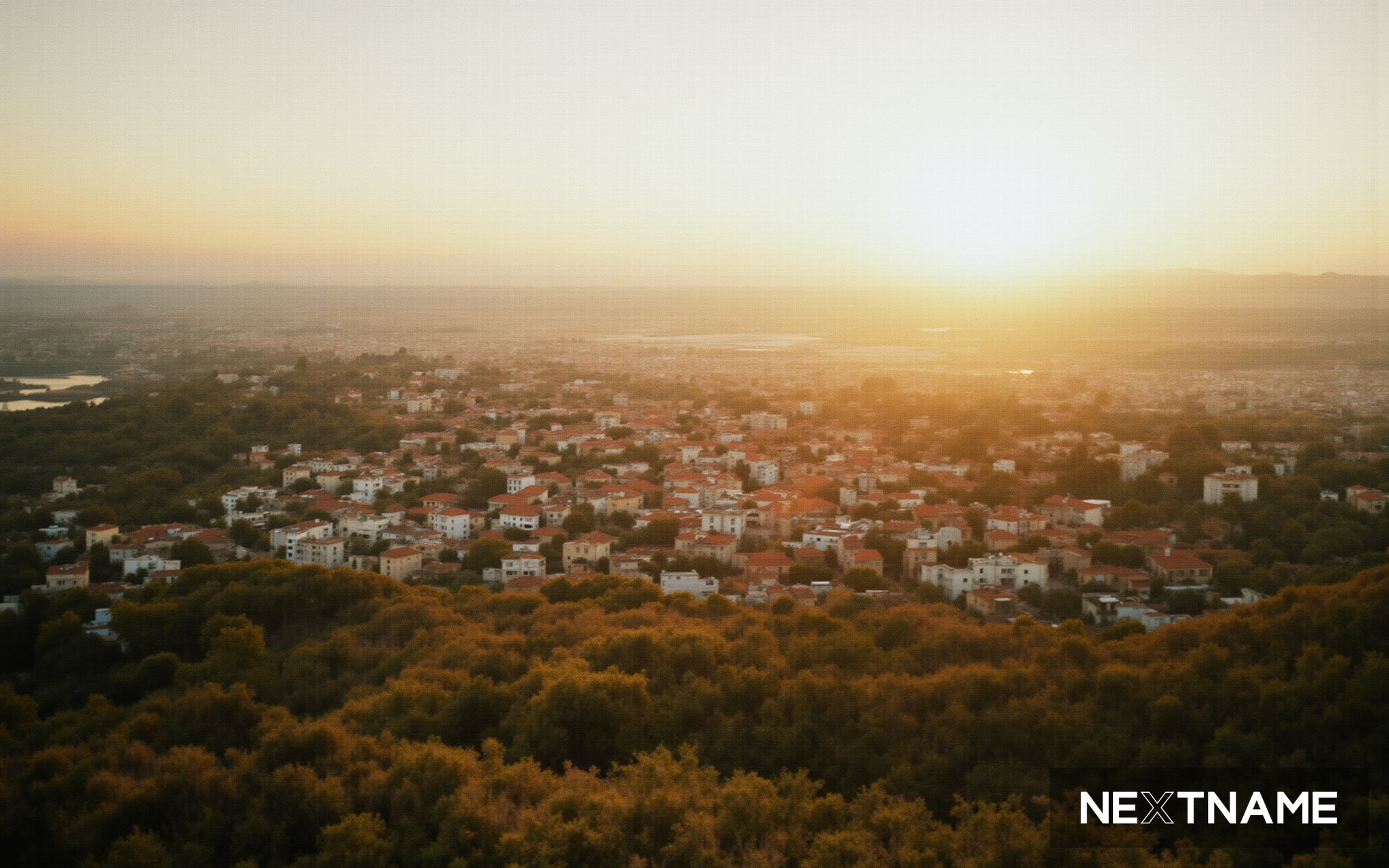
Split feels like a city that never quite lets go of its Roman roots, even as you sip a cold kompot on the Riva and watch yachts bob beside fishing boats. The Old Town — Stari Grad — is a maze of limestone streets that wind past the massive walls of Diocletian’s Palace; you can actually step inside the underground cellars and smell the same earth that the emperor’s servants did centuries ago. A short walk up to Marjan hill rewards you with a panoramic view of the Adriatic, and if you’re willing to brave the summer heat, the pine‑shaded trails lead to quiet coves like Kastelet where locals spread out towels and play dominoes. The vibe here is relaxed but lively; mornings are for coffee at a sidewalk kafana where a cup costs about 15 HRK, and evenings spill into the waterfront bars where the music shifts from acoustic guitar to turbo‑folk without missing a beat.
People who thrive on mixing history with good food will feel right at home in Split. The city’s culinary scene is anchored by simple, hearty dishes — think brudet, a fish stew that’s been simmering in seaside taverns for generations, or soparnik, a cheese‑filled pastry that you’ll find at the green market on Trstenik. If you’re a night owl, the buzz around the Bacvice promenade after sunset is worth the walk; cheap drinks, street performers, and a crowd that ranges from backpackers to Croatian families looking for a late‑night bite. On the other hand, if you prefer peace over crowds, aim for early mornings in the Old Town or head to the quieter neighborhoods of Gornji Grad and the lesser‑known quarter of Veli Jože, where you can wander through quiet courtyards and stumble upon tiny art galleries that most guidebooks skip.
Practicalities are straightforward: the airport bus drops you at the main bus station in about 20 minutes, and a single ticket to the nearby islands costs roughly 100 HRK for a round‑trip ferry. A decent dinner for two at a mid‑range konoba — say, one serving pašticada with homemade gnocchi — runs around 250 HRK, while a glass of local wine at a seaside bar is usually under 30 HRK. The best time to visit is late May to early June, when the sea is warm enough for swimming but the tourist rush hasn’t peaked yet. If you love a city that lets you walk through millennia, eat fresh seafood straight from the Adriatic, and still find a spot to watch the sunset without fighting for space, Split delivers exactly that — no fluff, just the kind of experiences that stick with you long after you’ve left the Riva.
Sightseeing
- Diocletian’s Palace underground tour – Walk the ancient cellars beneath the old palace and see where the Roman emperor lived. $12 USD, 1.5 h.
- Riva promenade at sunset – Stroll the waterfront as the sky turns pink and the city lights flicker on. Free, 30 min.
Food & Drink
- Pasticada at Konoba Nautika – Slow‑cooked beef in a sweet‑sour sauce served with gnocchi; the house specialty. $25 USD, 2 h (meal + lingering).
- Fresh seafood platter at Buzara – Grilled mussels, shrimp and calamari straight from the Adriatic. $18 USD, 1.5 h.
Outdoor Nature
- Marjan Hill hike to the viewpoint – A short climb through pine woods rewards you with panoramic city views. Free, 2 h.
- Bacvice Beach sunbed rental – Lounge on the sandy stretch near the old town and dip in the crystal water. $5 USD for a sunbed, 3 h.
Nightlife
- BuBar rooftop – Sip a citrus cocktail while the city spreads out below; the vibe stays relaxed until late. $8 USD per drink, 2 h.
- Club Kestel – Dance to local DJs in a converted warehouse; the door fee includes a drink. $10 USD entry, 4 h.
Cultural
- Museum of Ancient Glass – See Roman‑era glassware and learn how the craft spread across the empire. $6 USD, 1 h.
- Klapa music at Gundulićeva square – Free evening performances of traditional a‑cappella singing from local groups. Free, 1 h.
Day Trip
- Hvar island ferry day trip – Catch an early ferry, explore the marble streets and lavender fields, then return at dusk. $30 USD round‑trip, 8 h total.
- Krka waterfalls excursion – Join a guided bus tour that drops you at the cascading falls and includes a boat ride. $45 USD incl. transport, 10 h.
Budget (≈ $70‑$120)
- Hotel Villa Dalmata – Old Town (Stari Grad) – $80‑$110 – Quiet rooms just a stone’s throw from Diocletian’s Palace, perfect if you want to walk everywhere.
- Hotel Banjola – Bacvice – $70‑$100 – Simple, clean, and close to the beach; good for travelers who prioritize sun over fancy lobbies.
Mid‑range (≈ $130‑$250)
- Hotel Peristil – Old Town (near Riva) – $130‑$210 – Boutique feel, rooftop terrace with sea views, and you’re right in the historic core.
- Hotel Judita – Gornji Grad – $140‑$230 – Friendly staff, modern rooms, and a short walk to the market where you can grab fresh seafood.
Luxury (≈ $350‑$560)
- Hotel Villa Spiza – Marjan Hill – $350‑$480 – Elegant suites with private balconies, and you can step out onto the pine‑covered trail for sunset.
- Hotel President Split – Riva promenade – $400‑$560 – Classic grandeur, marble lobby, and you’re literally steps from the waterfront cafés.
How to Get to Split
Nearest airport: Split Airport (BTS) sits 24 km from the old town. It’s the only commercial airport that handles regular scheduled flights to the city. If you’re coming from a smaller European hub, you’ll often find cheap connections through Zadar (ZAD) or Dubrovnik (DBV) and then hop on a bus or shuttle.
Typical flight times from major hubs
- New York (JFK/EWR) → BTS: No nonstop. Expect a 10‑12 h itinerary with one stop—most commonly in Frankfurt, Zurich or Munich. Total travel time hovers around 13 h including layover.
- London (LHR) → BTS: Direct services run a few times a week (British Airways, easyJet). Flight time is about 2 h 15 m.
- Dubai (DXB) → BTS: Almost always a one‑stop flight via Doha, Istanbul or Frankfurt. The journey usually lands between 6 h and 9 h, depending on the connection.
- Hong Kong (HKG) → BTS: You’ll need two stops, typically via Doha and Zagreb or via Frankfurt and Vienna. Expect 15‑18 h door‑to‑door.
Alternative ground transport
If you’re already in the Balkans, the train from Zagreb (ZAG) to Split is comfortable and takes roughly 4 h 30 m. For a scenic (and cheap) option, the Jadrolinija bus from Dubrovnik drops you in the city centre in about 3 h 45 m. Both services run daily in high season.
Visa requirements for U.S. citizens
Croatia joined the Schengen Area in 2023, so you can enter visa‑free for up to 90 days. Your passport just needs to be valid for at least three months beyond your planned departure date, and you should be ready to show proof of accommodation and a return ticket if asked at the border.
Approximate airfare range (economy, round‑trip, 2024 prices)
- NYC → BTS: $620 – $1,150, depending on how early you book and whether you’re flying with a legacy carrier or a low‑cost connection.
- London → BTS: £110 – £260 on a low‑cost carrier; £300 – £550 on a full‑service airline.
- Dubai → BTS: $830 – $1,480, usually with a single stop.
- Hong Kong → BTS: $910 – $1,540, often requiring two stops.
Bottom line: Landing at BTS is the simplest way to be in Split, but if you’re flexible with timing or already in neighboring countries, the bus and train links can shave a few hundred dollars off the total cost. Just double‑check your flight’s connection window—Croatian airports are small, and a missed connection can mean a long wait for the next service. Safe travels, and enjoy the sea air when you step off the plane.
When to Go to Split – A Month‑by‑Month Cheat Sheet
January – February
Weather: Cold and damp, average highs around 10 °C, occasional snow on the hills.
Crowds: Almost empty. You’ll have the Old Town (Stari Grad) to yourself, which is a blessing if you hate queues.
Pricing: Hotel rooms drop 30‑40 % compared with summer. A double room in the Bačvice area goes for 350‑450 HRK per night.
What to do: Walk the promenade at sunset, sip a hot komovica (local mulled wine) in a tucked‑away café, and pop into the Diocletian’s Palace without the midday crowds.
Verdict: Great for budget‑travelers who don’t mind bundling up. Not ideal if you’re after beach vibes.
March – April
Weather: Spring kicks in fast. Daytime temps climb to 15‑18 °C, sea starts to feel cool but tolerable for a quick dip.
Crowds: Still low, though Easter week brings a modest influx of locals.
Pricing: Mid‑range hotels hover around 500‑650 HRK/night; Airbnb apartments start at 300 HRK.
Events: Split Film Festival (late March) screens indie titles in historic venues.
Verdict: Pleasant weather, decent prices, and a sprinkle of culture. Good if you like mild temps and don’t mind a few more tourists than winter.
May – June (the sweet‑spot shoulder seasons)
Weather: Warm and sunny. May averages 22 °C, June nudges 26 °C. The Adriatic is finally inviting—water hits 20‑22 °C by early June.
Crowds: Tourist numbers rise but stay manageable. The Old Town’s stone streets feel lively, not packed.
Pricing: Hotel rooms sit in the 650‑850 HRK range; a sea‑view apartment in the Marjan district averages 900 HRK per night.
Events: Split Summer Festival (late May‑early June) kicks off with open‑air concerts in the palace courtyard.
Verdict: My personal sweet‑spot. Warm weather, lower prices than July‑August, and the city’s cultural calendar is humming. If you can snag a room in the Gornji Mestrovic area, you’ll be within walking distance of both the beach and the historic sites.
July – August (peak season)
Weather: Hot and dry. Daytime highs hover 28‑31 °C, sea temps hit 25 °C—perfect for swimming.
Crowds: The city swells. By midday the Riva (waterfront) is a sea of selfie sticks, and the narrow lanes of the Old Town feel like a living museum.
Pricing: Hotels in the city centre climb to 1,200‑1,800 HRK/night; upscale resorts on the outskirts push 2,500 HRK+.
Events: Split Summer Festival (full‑scale theatre, opera, and dance), Ultra Europe (electronic music festival, early July) draws club‑goers to the coast.
Verdict: If you love buzzing nightlife and don’t mind paying a premium, this is the time. Otherwise, expect higher prices and a need to book everything weeks in advance.
September – October (second shoulder window)
Weather: Still warm but more comfortable. September averages 24 °C, October drops to 17 °C. Sea stays swimmable into early October.
Crowds: Tourist flow eases dramatically after the first week of September. By October, you’ll find cafés with outdoor seating that feel almost private.
Pricing: Hotels settle back to 600‑800 HRK/night; boutique guesthouses in the Gornji Mestrovic quarter often drop to 500 HRK with a late‑October discount.
Events: Feast of St. Domnius (May 7) isn’t in this window, but the Split Autumn Festival (late September) showcases local crafts and food markets.
Verdict: Arguably the best overall period. Warm enough for the beach, cool enough for wandering the historic streets, and prices are friendly. If you’re after a mix of sun, culture, and value, aim for the first two weeks of September or the last week of October.
November – December
Weather: Cool and rainy. Daytime highs 12‑15 °C, occasional snow in the hills.
Crowds: Very low. The city feels like a quiet fishing village rather than a tourist hub.
Pricing: Cheapest time to stay—double rooms in the Old Town can be found for 300‑400 HRK/night.
Events: Advent in Split (December) transforms the Riva into a festive market with mulled wine, roasted chestnuts, and handcrafted gifts.
Verdict: Perfect for a low‑key, budget‑friendly city break if you don’t mind cooler weather and short daylight hours.
The Bottom Line
- Best overall months: May‑June and September‑October. You’ll get warm weather, manageable crowds, and price tags that won’t break the bank.
- Cheapest window: January‑February and November‑December, but pack for chilly days and shorter daylight.
- Peak‑season trade‑off: July‑August offers the hottest sea and the most events, but expect higher costs and a packed city.
Quick Practical Tips
- Getting there: Split’s airport (Čupić) is 25 minutes by taxi (≈ 150 HRK) or 35 minutes by bus (≈ 30 HRK).
- Where to stay: For a central base, book a room in Brač or Gornji Mestrovic—both within 10 minutes walk to the Riva and the palace.
- Must‑try dish: Brudet (fish stew) at Konoba Nautika—about 150 HRK for a hearty portion.
- Transport tip: Buy a 24‑hour bus pass (≈ 30 HRK) if you plan to hop between Bacvice beach, Marjan hill, and the old town; it saves you the hassle of single tickets.
Takeaway: If you can pick your dates, aim for late May or early October. You’ll enjoy sun‑kissed streets, lower prices, and enough room to savor a glass of local plavac mali without fighting the crowd. Happy travels!
July, June, and August are the strongest windows for beach days.
Scores blend climate, rainfall, and activity fit — beach. Temperatures and rainfall are historical monthly averages; actual conditions vary year-to-year.
Forecast data from Open-Meteo · refreshed hourly
What travelers say.
Loading reviews…
Sign in to leave a review.
Sign in →