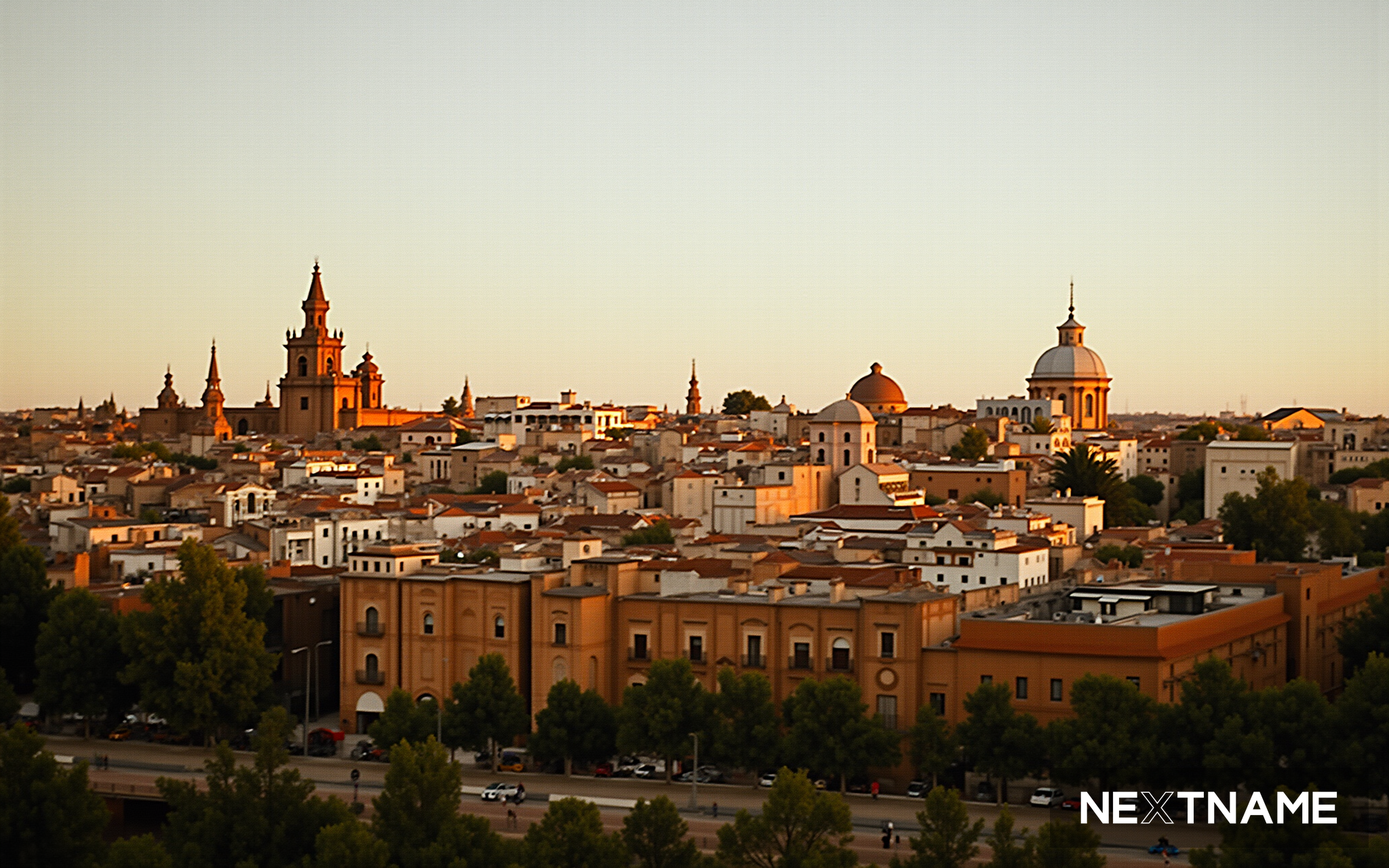
Seville feels like a sun‑warmed courtyard you never want to leave. Wander the narrow lanes of Barrio Santa Cruz, where whitewashed walls are draped with hanging bougainvillea, then cross the Guadalquivir to Triana and you’ll hear the clink of ceramic plates in every tapas bar. The Alcázar’s intricate Mudéjar arches sit beside the Giralda’s towering minaret, and if you’re curious about modern twists, the Metropol Parasol’s sleek wooden ribs cast shadows over a bustling market. Grab a bowl of salmorejo — thick, chilled tomato soup topped with a drizzle of olive oil — for under 4 euros, or splurge on a plate of jamón ibérico at a local bar for about 15 euros.
If you love wandering through historic neighborhoods, sipping a glass of fino while the river glints in the late afternoon, and watching flamenco spill out of dimly lit tablaos, Seville will click for you. It’s perfect for travelers who prefer a relaxed pace in the heat, a late‑night stroll through Alameda de Hércules, and the occasional burst of energy when the city’s nightlife kicks in. The vibe is warm, a little lazy, but never dull — people linger over coffee, argue over the best tapas, and greet strangers with a friendly “¡Hola!”
Plan to arrive in spring or early fall; the AVE from Madrid shaves the journey to roughly an hour, and the train station drops you a 30‑minute walk from the old town, where parking is a hassle. Stay central to cut down on walking, and don’t be surprised if a simple tapa turns into a three‑hour affair — it’s part of the charm.
Sightseeing
- Real Alcázar – Tour the Moor‑influenced patios and intricate tilework that inspired Game of Thrones; buy a timed‑entry ticket to skip the line. – $15 – 2 hrs
- Metropol Parasol – Walk the wooden canopy over the archaeological site beneath Plaza de la Encarnación for a modern contrast to the old city. – $5 (guided tour) – 1 hr
Food & Drink
- Tapas at El Rinconcillo – Sip sherry and bite jamón ibérico at the city’s oldest bar, tucked in the Santa Cruz quarter. – $20 per person – 1.5 hrs
- Mercado de Triana – Sample fresh orange‑blossom honey and grilled sardines from a stall that’s been selling seafood since 1927. – $12 – 1 hr
Outdoor Nature
- Parque de María Luisa – Rent a bike and pedal past orange trees, fountains, and the Plaza de España’s tiled mosaics. – $8 (bike rental) – 2 hrs
- Monte do Baratillo – Hike the short trail up to a viewpoint that overlooks the Guadalquivir and the Triana bridges at sunset. – Free – 1 hr
Nightlife
- Bar Las Golondrinas – Join locals for a late‑night vermouth and a plate of espinacas con garbanzos in the Alameda area. – $10 – 2 hrs
- Café de la Luz – Catch a live flamenco set on a hidden patio in the San Jacinto neighborhood; the space seats only 30. – $15 (drink included) – 2 hrs
Cultural
- Casa de Pilatos – Explore the Renaissance palace whose azulejo‑covered courtyard feels like stepping into a Seville postcard. – $12 – 1 hr
Day Trip
- Carmona – Take a 30‑minute train to this hill‑top town, wander the Roman necropolis, and enjoy panoramic views from the Torre del Oro. – $10 (round‑trip train) + $5 entrance – 4 hrs total
Budget – 2 picks
-
Hostal La Casa del Maestro – Santa Cruz
$70‑$90 per night. A tiny, family‑run spot tucked behind the Giralda; you’ll wake up steps from the cathedral and still have cash left for tapas. -
Albergue de los Remedios – Alcázar district
$55‑$75 per night. Simple rooms, a shared kitchen, and a rooftop terrace that looks out over the river; perfect if you want to stretch your budget without sacrificing location.
Mid‑range – 2 picks
-
Hotel Casa 1800 Sevilla – El Arenal
$130‑$170 per night. Restored 16th‑century patios, a quiet courtyard bar, and a short walk to the Plaza de España; ideal for travelers who like history with a modern comfort. -
Hotel Bex – Santa Cruz
$115‑$150 per night. Stylish boutique vibe, rooftop pool, and a breakfast spread that includes churros with thick hot chocolate; great for a romantic getaway without the five‑star price tag.
Luxury – 2 picks
-
Hotel Alfonso XIII, a Luxury Collection Hotel – Plaza de España area
$350‑$500 per night. Marble lobby, a spa that uses local olive oil, and a prime spot beside the canal; choose it when you want to feel like a Spanish aristocrat. -
The Twelve Hotel – Triana
$250‑$350 per night. Art‑filled interiors, a rooftop lounge with 360° views of the Guadalquivir, and a staff that will book a private flamenco tablao for you; the go‑to for design lovers who still want a central base.
Getting to Seville
Airports
- Seville‑San Pablo (SVQ) – the city’s main hub. 10 km from the historic centre; a 20‑minute taxi ride or a 30‑minute bus (EA‑Air) drops you near Plaza de España.
- Jerez Airport (XRY) – 120 km south, mostly low‑cost carriers. A 1‑hour 30‑minute shuttle gets you to Seville if you’re on a budget airline.
- Córdoba Airport (CFU) – 140 km north; only useful if you catch a cheap connection from North Africa.
Typical flight times from major hubs
- New York (JFK/EWR) → SVQ: 7 h 30 m (non‑stop, 1‑daily) or 9 h with one stop (Madrid).
- London (LHR) → SVQ: 2 h 15 m (direct, several flights daily).
- Dubai (DXB) → SVQ: 6 h 45 m (usually one stop in Madrid or Frankfurt).
- Hong Kong (HKG) → SVQ: 13 h 30 m (one stop, typically via Madrid or Paris).
Alternative ground transport
If you’re already in southern Spain, the high‑speed AVE train from Málaga (AGP) or Córdoba (CFU) drops you at Seville‑Santa Justa in under 2 h. The ride from Málaga’s airport to the train station is a quick 15‑minute taxi; from Córdoba it’s a 30‑minute bus.
Visa requirements for U.S. citizens
- No visa needed for stays up to 90 days within a 180‑day period.
- You’ll need a passport valid 6 months beyond your intended departure and proof of onward travel or accommodation.
- Starting in 2025, the ETIAS (European Travel Information and Authorization System) registration will be mandatory; it costs €7 and takes a few minutes online.
Approximate airfare ranges (economy, round‑trip, 2024‑25)
- NYC → SVQ: $550 – $950 (depends on season; summer spikes).
- London → SVQ: £80 – £210 (budget carriers can dip under £60 if you book early).
- Dubai → SVQ: $720 – $1,300 (often cheaper via a European hub).
- Hong Kong → SVQ: $950 – $1,600 (usually one stop, price varies with stopover city).
Bottom line
Flying into SVQ is the simplest route; the airport is well‑connected and a short taxi or bus gets you into the heart of Seville. If you’re already touring Andalucía, the AVE train is a comfortable, scenic alternative. U.S. travelers enjoy visa‑free entry, but keep an eye on the upcoming ETIAS requirement. Prices fluctuate with demand, so snag a fare early if you’re eyeing the spring festivals. Safe travels.
When to go to Seville – month by month
January
Cold but clear. Daytime highs sit around 16 °C, nights dip to 6 °C. Tourist numbers are at their lowest. Hotel rooms drop 30‑40 % compared with summer rates. You can snag a room in Santa Cruz for under €70 a night. Flights from Madrid are cheap, often under €80 round‑trip. No big festivals, just the quiet charm of the city’s winter lights.
February
Similar temperatures, a few more sunny days. Crowds stay thin, but the city starts to feel a hint of spring. Prices stay low, especially for hostels in Triana. If you love jamón ibérico, now’s the time to try a plate at a local bar for about €6. The only event is the quiet celebration of San Valentín in the old town.
March
Weather warms quickly. Highs reach 20 °C by the end of the month. Crowds begin to rise as Easter approaches. Accommodation climbs 15‑20 % but still cheaper than peak summer. The famous Semana Santa processions start mid‑month; they draw huge crowds, especially in the historic centre. Book a room in Alameda de Hércules early; rates jump to €90‑100 for a double.
April
Peak festival month. The Feria de Abril fills the streets with colour, music and flamenco. Temperatures hover between 22‑28 °C, perfect for outdoor tapas. Crowds are at their highest; hotels in the centre often exceed €150 per night. If you can handle the buzz, go for it – the atmosphere is unforgettable. Otherwise, wait until early May for a calmer vibe.
May
Early May is a sweet spot. Temperatures stay warm (23‑27 °C) but the Feria crowds have faded. Hotel prices settle around €110‑130 in the historic centre. The weather is ideal for wandering the narrow streets of Santa Cruz or cycling along the Guadalquivir. A glass of fino sherry costs about €4 at a riverside bar.
June
Summer heat starts to build. Daytime highs often hit 33 °C. Tourist numbers stay moderate, but some hotels raise rates after the first week. If you can handle the heat, June offers long daylight hours for exploring the Alcázar. Evening tapas in Triana stay cheap – a plate of espinacas con garbanzos is around €5.
July
The hottest month. Temperatures regularly exceed 35 °C. Crowds thin a bit as many locals leave for the coast, but the city still feels busy around the main squares. Hotel rates stay high, especially near the river. Air‑conditioned rooms in the Alameda area cost about €120. It’s a good time for night‑time flamenco shows; they start later to avoid the heat.
August
Heat peaks, but the city quiets down as many locals head to the beach. Prices dip slightly compared with July, especially for last‑minute bookings. The Feria de la Virgen de los Desamparados takes place in mid‑August; it’s a smaller, local fair with food stalls and live music. Try the local pescaito frito at a market stall for about €8.
September
A clear improvement. Temperatures ease to 28‑31 °C. Crowds are moderate, and hotel rates drop to the €100‑120 range for central rooms. The Bienal de Flamenco begins in early September (odd years); it brings world‑class dancers and musicians to venues across the city. Book tickets early; they sell out fast.
October
Weather is pleasant, often 22‑26 °C. Crowds are low to moderate, and prices stay reasonable – you can find a double room in Santa Cruz for around €90. The Festival de Música y Danza runs through October, offering classical concerts in historic churches. It’s a great month for a relaxed stroll along the riverbank.
November
Cooler again, with daytime highs around 18 °C. Tourist numbers are low; hotels in the centre drop to €70‑80. The city’s Christmas lights start appearing in early November, giving a magical feel to the streets of Alameda. A warm bowl of salmorejo costs about €8 at a local tavern.
December
Mild winter weather, occasional rain. Crowds stay thin, and prices stay low. The Feria de Navidad brings a festive market to the Plaza de España; you can sip hot chocolate with churros for €3. It’s a quiet time to enjoy the city’s historic sites without the rush.
Sweet‑spot shoulder seasons
- Late March to early May: warm weather, fewer crowds, moderate prices, and the city’s gardens are in full bloom.
- Mid‑September to late October: comfortable temperatures, cultural festivals, and the best balance of cost and comfort.
Practical tips
- Book accommodation at least two months ahead if you plan to travel during Semana Santa or the Feria de Abril.
- Use the high‑speed AVE train from Madrid; the journey takes 2.5 hours and costs around €45 in second class.
- For a cheap meal, head to a tapas bar in Triana; a plate of jamón ibérico and a glass of sherry will set you back under €12.
- If you’re on a budget, consider staying in a hostel in the Alameda area; dorm beds are often €25‑30 per night.
Pick the month that matches your tolerance for heat, crowds and price, and you’ll get the most out of Seville.
June, September, and May are the strongest windows for sightseeing.
Scores blend climate, rainfall, and activity fit — cultural. Temperatures and rainfall are historical monthly averages; actual conditions vary year-to-year.
Forecast data from Open-Meteo · refreshed hourly
What travelers say.
Loading reviews…
Sign in to leave a review.
Sign in →