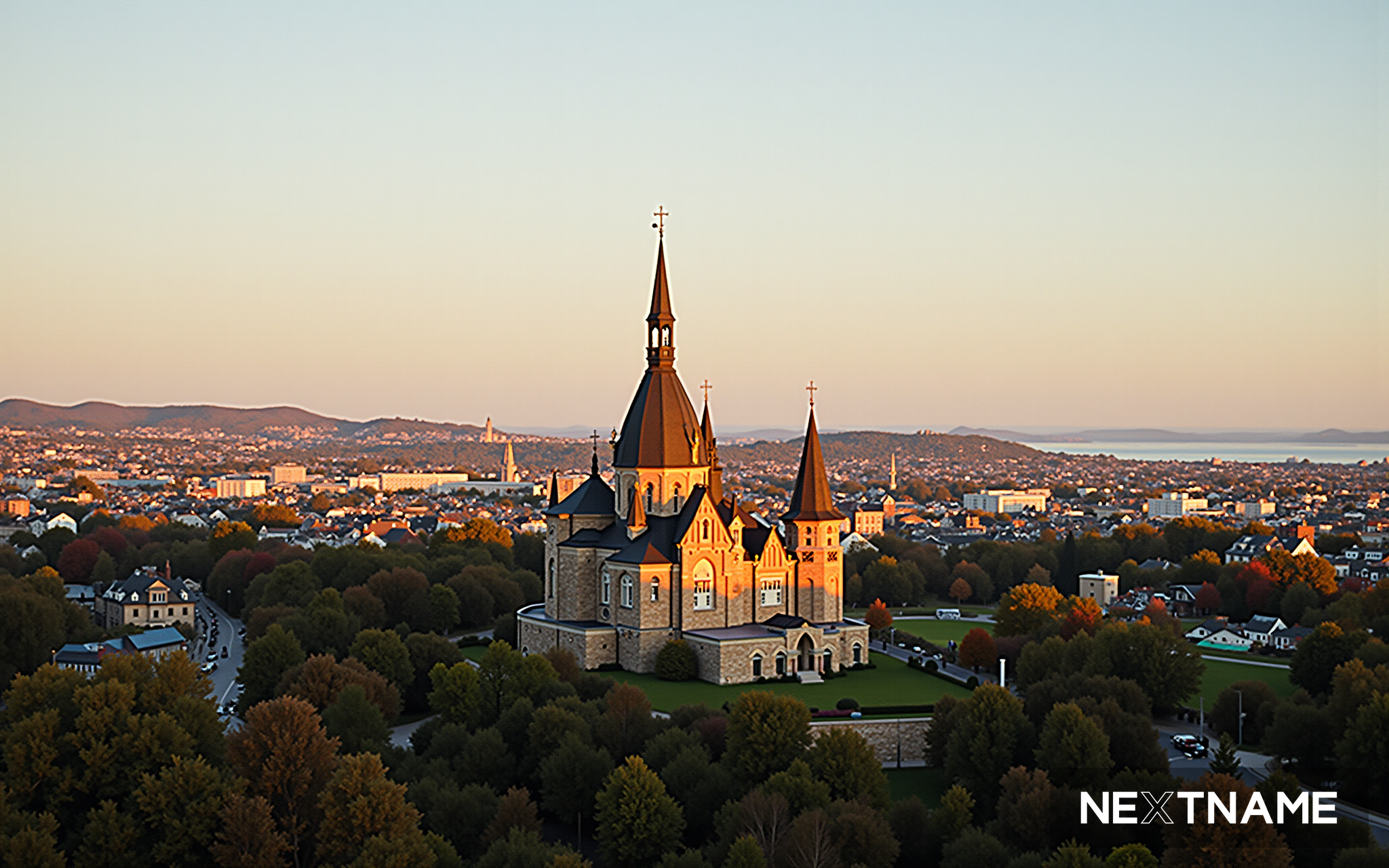
Quebec City feels like stepping into a postcard, but with the grit of real daily life. The fortified core of Old Quebec — its stone walls, narrow Rue du Petit-Champlain, and the looming Château Frontenac — gives the place a European weight that you can actually walk through. Slip into the Petit‑Champlain district in the morning and you’ll hear the clink of coffee cups from Café du Clocher Penché, watch street artists set up near the Terrasse Dufferin, and catch the scent of fresh baguettes drifting from a bakery on Rue Saint‑Jean. A short walk brings you to the Citadel, where the changing of the guard still happens at 10 a.m., and the view from the Terrasse over the St. Lawrence River is worth the modest climb.
If you love history with a side of good food, this city will hook you fast. The vibe shifts with the season: summer brings outdoor terraces packed with locals sipping craft cider, while winter turns the streets into a snowy playground for the Carnaval de Québec, complete with ice‑carved sculptures and night‑time fireworks over the river. Foodies will find plenty to write home about — try a hearty tourtière at Le Cochon Dingue for under $20, or indulge in a plate of poutine from La Banquise that costs about $12 and comes with a side of local pride. Getting here is easy; the train from Montreal takes roughly three hours, and a direct flight from Toronto lands in about an hour, so you can be strolling the cobblestones before lunch.
Who ends up loving Quebec? Couples who want a romantic backdrop, solo travelers who enjoy wandering through centuries‑old alleys, and anyone who appreciates a city that feels both lived‑in and timeless. I’d recommend visiting in early October when the foliage paints the hills orange and red, or in late January for the carnival’s icy magic. Either way, you’ll leave with a sense that the place isn’t just a destination — it’s a feeling you can taste in a warm maple‑glazed doughnut from a street vendor on Rue Saint‑Louis.
Sightseeing
- Fortifications of Old Quebec – Walk the stone walls that encircle the Upper Town and get panoramic views of the St. Lawrence from the Dufferin Terrace. Cost: $0 (free to roam). Time: 1‑2 hrs.
- Musée de la civilisation – Dive into Quebec’s history and contemporary culture through interactive exhibits that blend Indigenous art with modern design. Cost: $18 USD. Time: 2 hrs.
Food & Drink
- Le Chic Shack (Saint‑Roch) – Grab a signature poutine topped with smoked meat and cheese curds; the casual vibe makes it a local favorite. Cost: $12‑$18 USD per plate. Time: 45 min.
- Café du Clocher Penché (Old Quebec) – Sip a perfectly brewed espresso while watching the street performers on Place Royale; the buttery croissant is worth the extra few dollars. Cost: $4‑$7 USD. Time: 30‑45 min.
Outdoor Nature
- Montmorency Falls – Take the cable car to the top of the 83‑metre cascade, then zip‑line over the falls for a quick adrenaline boost. Cost: $25 USD (cable car + zip‑line). Time: 2‑3 hrs.
- Parc de la Chute‑Montmorency trail – Hike the easy 3‑km loop that leads to the base of the falls; the forest canopy and river views are especially vivid in early autumn. Cost: $0 (park entry free). Time: 1‑1.5 hrs.
Cultural
- Le Petit Théâtre de la Ville – Catch an intimate French‑language play in a historic theater tucked behind the Old Port; the program rotates between classic comedies and contemporary works. Cost: $30‑$55 USD (ticket). Time: 1.5‑2 hrs (plus intermission).
Nightlife
- Le Sacrilège (Saint‑Sauveur) – Unwind with craft cocktails and live DJ sets in a converted chapel; the vibe shifts from relaxed early evening to a lively dance floor after midnight. Cost: $10‑$15 USD per drink. Time: 2‑4 hrs (depends on how late you stay).
Day Trip
- Île d’Orléans – Rent a bike and circle the island’s orchards, historic churches, and artisan cheese shops; the 20‑km loop takes about half a day and offers a taste of rural Quebec just 20 minutes from the city. Cost: $15 USD for bike rental (plus any food you sample). Time: 4‑5 hrs.
Tip: If you’re short on time, prioritize the Fortifications and a poutine stop—both give you a solid slice of Quebec’s charm without pulling you too far from the main tourist zone.
Budget
- Hôtel Le Saint‑Paul – Vieux‑Québec – $115‑$135 USD – Perfect if you want to stay inside the walls and walk to everything without paying resort fees.
- Hôtel Le Carrousel – Vieux‑Québec – $120‑$140 USD – Quiet courtyard, simple rooms, and a short stroll to Rue du Petit‑Champlain.
Mid‑range
- Hôtel Le Saint‑Louis – Vieux‑Québec – $170‑$190 USD – Offers historic charm and a rooftop terrace that actually feels like a private oasis.
- Hôtel Le Rive – Saint‑Jean‑Baptiste – $180‑$200 USD – Modern comforts just across the river, with easy bus access to the old town.
Luxury
- Fairmont Le Château Frontenac – Vieux‑Québec – $350‑$480 USD – Iconic castle vibe, stellar service, and you’ll feel like a VIP without leaving the city.
- The Ritz‑Carlton, St. Joseph – Vieux‑Québec – $400‑$600 USD – Sleek design, spa that actually delivers, and rooms that look out over the St. Lawrence.
Getting to Quebec City – the quick‑and‑real guide
Airports you’ll actually use
- Jean Lesage International (YQB) – the city’s own airport, 13 km from Old Quebec. Most flights land here.
- Montreal‑Pierre Elliott Trudeau (YUL) – 230 km west, a solid backup if you find cheaper fares or more flight options.
Typical flight times from big hubs
- NYC (JFK/EWR) → YQB – about 1 h 45 m nonstop.
- London (LHR) → YQB – usually 6 h 30 m with one stop in Toronto or Montreal.
- Dubai (DXB) → YQB – expect 13 h total, often via Montreal or Toronto.
- Hong Kong (HKG) → YQB – around 16 h with a single layover, commonly in Vancouver or Frankfurt.
Ground‑transport alternatives (if you’re already in the region)
- From Montreal – Orléans Express bus drops you at the Old Port in ~3 h; tickets run $30‑$45.
- By train – VIA Rail’s Quebec‑Toronto service takes roughly 5 h 45 m; a second‑class seat is about $85.
- Driving – Autoroute 40 from Boston is about 6 h; parking in the Old City costs $15‑$20 per day.
Visa rules for U.S. citizens
- No visa needed for stays up to 6 months.
- Just bring a valid passport; you won’t need an eTA (the Canadian electronic travel authorization only applies to non‑U.S. visa‑exempt travelers).
What you’ll pay for a ticket
- U.S. East Coast (NYC, Boston, Washington) – round‑trip economy typically $300‑$600, especially if you book 6‑8 weeks ahead.
- Europe (London, Paris, Amsterdam) – expect $800‑$1,200 round‑trip.
- Asia (Tokyo, Hong Kong, Singapore) – usually $1,200‑$1,800 round‑trip, with the occasional $1,000 deal during sales.
A quick tip
If you’re flying into YUL because of price, hop on the 2 h 15 m shuttle (Air Canada + Orléans Express) that drops you at the Quebec City bus terminal. It’s cheap ($20) and drops you right near the historic walls — perfect for grabbing a poutine from a street vendor for about $8 before you start exploring.
Bottom line
Quebec City is most convenient via YQB, but Montreal’s larger hub often saves you money. For U.S. travelers, the process is as simple as showing a passport, and you can snag a decent fare if you’re flexible on dates. Once you’re there, the city’s cobblestone streets, the tourtière at a local bistro ($12‑$15), and the nightly fireworks over the St. Lawrence River make the journey worth every minute. Safe travels!
When to Go to Quebec City: A Month‑by‑Month Breakdown
January – Cold, Quiet, Cheap
Temperatures hover around –10 °C (14 °F) and snow blankets the Old Town. The streets are almost empty, so hotels and Airbnb spots drop 20‑30 % off their usual rates. If you don’t mind bundling up, you’ll snag the lowest nightly prices of the year. The only big draw is the Québec Winter Carnival (late Jan‑early Feb). It’s a spectacle of ice sculptures, night‑time parades and snow baths—totally worth it if you love winter festivities.
February – Still Frosty, Still Cheap
Similar cold, but a hint of thaw starts to appear toward the end of the month. Crowds stay thin, and you can often find rooms for under $120 CAD per night in the historic centre. Valentine’s Day brings a few romantic dinner deals, but overall the city feels peaceful.
March – The First Signs of Spring
Daytime highs climb to 5‑7 °C (41‑45 °F). Snow begins to melt, and the city’s cafés start serving hot chocolate with a splash of maple. Prices stay moderate—about 10‑15 % lower than summer rates. The Maple Sugar Festival in nearby towns (early March) is a tasty side trip if you’re into outdoor cooking demos.
April – Shoulder Season Starts
Temperatures swing between 8‑12 °C (46‑54 °F). Tourist numbers pick up, but they’re still far below the July‑August peak. Hotel rooms average $150‑$180 CAD per night in the Old Port area. Festival de la Gastronomie showcases local chefs and runs through the first two weeks, making it a great foodie pitstop.
May – Pleasant Weather, Growing Crowds
Highs reach 15‑18 °C (59‑64 °F). The city’s gardens burst into colour, and the historic walls feel breezier. Prices climb a bit—expect $180‑$210 CAD for a decent room in the Saint‑Jean‑Baptiste district. The Festival International de Jazz de Québec kicks off in early May, filling the streets with live music.
June – Early Summer Sweet Spot
Daytime temps sit around 20‑23 °C (68‑73 °F). The city is lively but not overrun. Hotel rates hover near $200‑$230 CAD, a modest jump from May. Le Festival de la Chanson (early June) brings local singers to intimate venues, perfect for a low‑key cultural fix.
July – Peak Season, High Prices, Full Crowds
Temperatures hit 25‑28 °C (77‑82 °F). The Old Town buzzes with tourists from all over the world. Rooms in the Plateau or Old Port often exceed $260 CAD per night, and restaurants need reservations weeks in advance. The Québec Summer Festival (late July‑early Aug) dominates the schedule with concerts, street performances and fireworks—great if you love nonstop events, but expect long lines.
August – Still Hot, Still Crowded
Similar heat to July, with temperatures around 24‑27 °C (75‑81 °F). Crowds remain high, especially during the first two weeks of the Festival d’été de Québec. Prices stay at peak levels, though you can sometimes snag last‑minute deals if you book a few days ahead.
September – The Real Sweet Spot
The weather turns comfortably mild—average highs of 18‑20 °C (64‑68 °F). Tourist flow drops sharply after the first week, so hotels settle around $170‑$190 CAD for a double room in the Old City. Québec City Food & Wine Festival (mid‑Sept) showcases local chefs, vineyards and tasting rooms—perfect for a culinary adventure without the summer throngs.
October – Autumn Colours, Quiet Charm
Daytime temps dip to 10‑13 °C (50‑55 °F). The foliage on the Plains of Abraham turns brilliant orange and red, making the city picture‑perfect. Prices dip again to $150‑$170 CAD, especially in the Saint‑Roch neighbourhood. The Québec City Film Festival (early Oct) offers indie screenings in historic venues—great for film buffs.
November – Early Winter, Low Prices
Temperatures hover around 5‑8 °C (41‑46 °F) with occasional rain. Crowds are minimal, and you can often find rooms for under $130 CAD in the Old Port. There’s little in the way of festivals, but the city’s Christmas market begins to set up toward the end of the month, hinting at the upcoming holiday season.
December – Festive Lights, Moderate Prices
Average highs are 0‑3 °C (32‑37 °F). The city decorates the streets with millions of twinkling lights, and the Le Marché de Noël (Christmas Market) draws locals and visitors alike. Hotel rates climb a bit—around $180‑$200 CAD—but they’re still cheaper than the July‑August peak. If you love holiday ambience, this month is hard to beat.
The Bottom Line
- Shoulder seasons that give you the best blend of weather, price and crowd control are May‑June and September‑October.
- If you’re on a tight budget and don’t mind bundling up, January‑March offers the deepest discounts, especially with the Carnival in February.
- For festival lovers who can handle larger crowds, July‑August is the time to go, but expect higher nightly rates and the need to book well in advance.
Pick the month that matches your priorities—whether it’s saving money, chasing festivals, or simply soaking up the city’s unique charm—and plan accordingly. Safe travels!
September, May, and June are the strongest windows for sightseeing.
Scores blend climate, rainfall, and activity fit — cultural. Temperatures and rainfall are historical monthly averages; actual conditions vary year-to-year.
Forecast data from Open-Meteo · refreshed hourly
What travelers say.
Loading reviews…
Sign in to leave a review.
Sign in →If Quebec City is your speed, try these.
Montreal
🇨🇦 CA91%Montreal feels like a European city that never left the St. Lawrence. Walk the cobblestones of Old Montreal and you’ll hear the clatter of horse‑drawn carriages mixed with the hum of street musicians …
Paris
🇫🇷 FR91%Paris feels like a city you can actually walk through and still find something new around every corner. The streets of Saint‑Germain‑des‑Prés hum with cafés where you can sip a café au lait while watc…
Cartagena
🇨🇴 CO88%Cartagena feels like a sun‑soaked postcard that you can actually walk through. The walled Old Town—especially the cobblestone streets of Getsemaní and the polished plazas around Plaza Santo Domingo—bu…