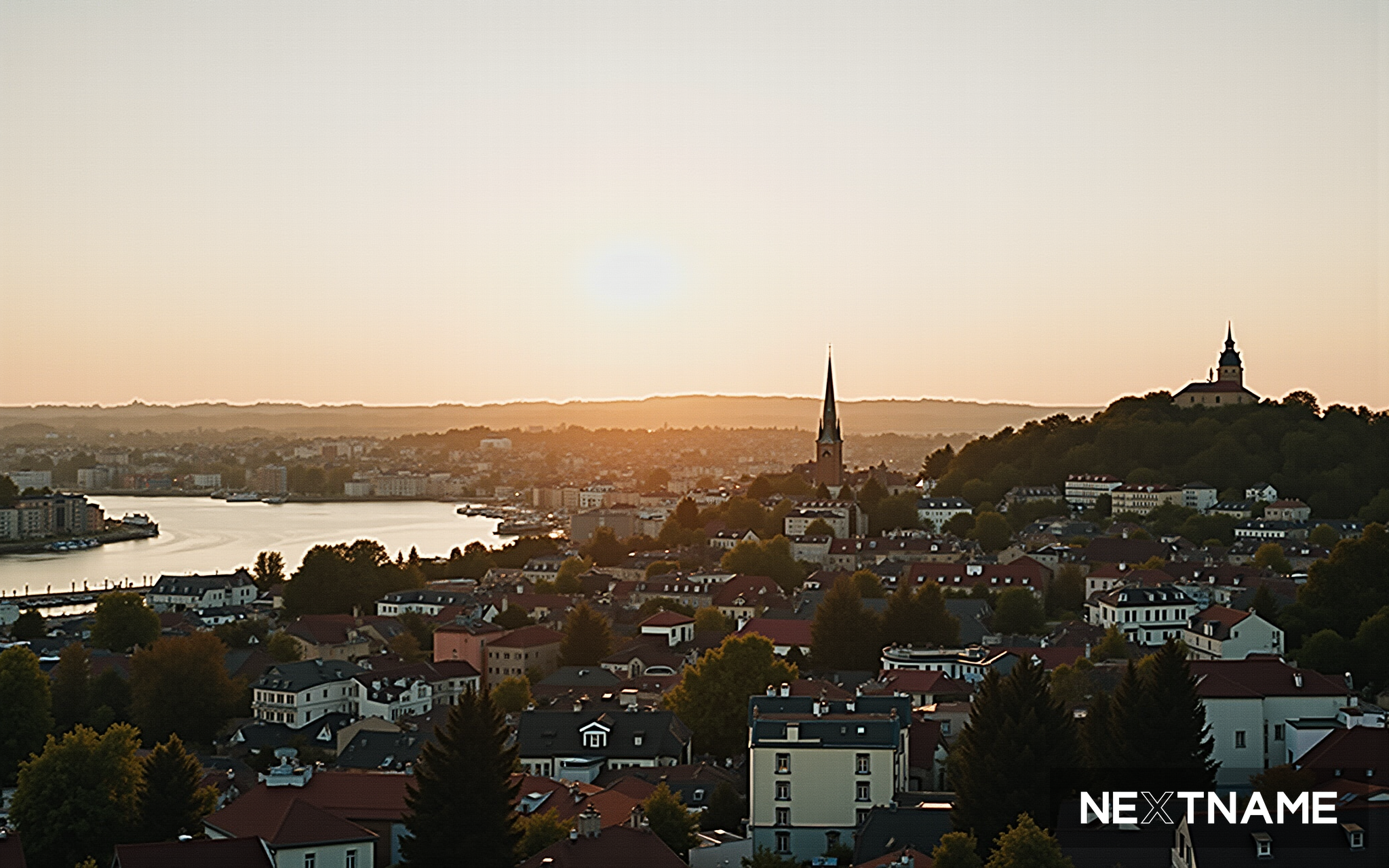
Oslo feels like a city that’s been built for people who actually want to move around on foot. You can start your day with a strong coffee at Tim Wendelboe—expect to pay around 45 NOK for a pour‑over that tastes like liquid clarity—then wander down to the waterfront at Aker Brygge, where sleek glass towers sit beside old warehouses turned into boutique shops and seafood bars. If you’re into design, the Oslo Design Museum in the Pipervika area is worth a quick stop; it’s a short 10‑minute walk from the Opera House, that sloping white “roof” you can actually climb up and get a panoramic view of the fjord. The vibe here is relaxed but purposeful—people bike everywhere, they linger over brunch at Café Sorgenfri in Grünerløkka, and the city’s green spaces, especially Vigeland Park, feel more like a living sculpture garden than a municipal park.
Who ends up loving Oslo? If you’re the type who enjoys a mix of culture, nature, and a surprisingly vibrant food scene without the tourist crowds of bigger capitals, you’ll feel right at home. The city’s nightlife isn’t about endless clubs; it’s about cozy wine bars in Frogner, craft breweries in Kaka’o, or a late‑night bite of rømmegrøt at a traditional restaurant in Gamle Oslo. Prices sit somewhere in the middle—lunch at a mid‑range spot will run you about 150–200 NOK, while a dinner at Maa Nygård (the city’s most celebrated restaurant) can hit 1,500 NOK per person, but you can also grab a hearty bowl of lapskaus for under 100 NOK at a local canteen. All in all, Oslo is a place where you can spend a whole day exploring world‑class museums, then hop on a tram to the outskirts and hike up to the Frognerseteren viewpoint for a sunset that makes you forget you’re only a 20‑minute train ride from the airport. It’s not flashy, it’s just honest—and that’s what makes it stick with you.
Sightseeing
- Vigeland Park – Walk among Gustav Vigeland’s bronze sculptures in the world’s largest sculpture park. Cost: $0. Time: 1.5 h.
- Norwegian Museum of Cultural History – Explore relocated historic wooden houses that showcase Norway’s rural heritage. Cost: $15. Time: 2 h.
Food_Drink
- Lofotstua – Savor cod and potato stew, a classic comfort dish, in the Frogner district. Cost: $25. Time: 1.5 h.
- Sentralen’s rooftop bar – Enjoy a craft cocktail while taking in the city skyline from the rooftop. Cost: $12. Time: 1 h.
Outdoor_Nature
- Ekebergparken Sculpture Park – Hike forest trails dotted with contemporary art installations. Cost: $0. Time: 2 h.
- Oslo Fjord ferry to Bygdøy – Take a short ferry ride to the museum peninsula and seaside walk. Cost: $10. Time: 1 h.
Nightlife
- John Dee – Listen to live jazz in an intimate cellar venue in Grünerløkka. Cost: $8. Time: 2 h.
Cultural
- The Opera House – Walk onto the roof for sweeping harbor views during a guided tour. Cost: $18. Time: 1 h.
Day_Trip
- Drøbak and the Christmas market – Visit the charming coastal town known for its Christmas market and fresh seafood. Cost: $32 total. Time: 4 h.
Budget
- Anker Hostel – Grünerløkka – $110‑$150 – Quiet private rooms, a short stroll to cafés and the riverwalk.
- The Student Hotel Oslo City – Sentrum – $120‑$170 – Simple beds, a small gym, and a tram ride straight to the waterfront.
Mid‑range
- Hotel Eggers – Frogner – $210‑$260 – Classic décor, right by the Royal Palace and Vigeland Park.
- Clarion Collection Hotel Lilleborg – Gamle Oslo – $190‑$240 – Modern rooms, rooftop bar, and a quick walk to the Opera House.
Luxury
- The Grand Hotel Oslo – Sentrum – $460‑$620 – Historic building, central spot, and top‑tier service.
- Muller Hotel – Vika – $500‑$680 – Design‑forward rooms, steps from the new waterfront promenade and fine dining.
Getting to Oslo – the quick‑and‑real guide
The airport you’ll most likely use
Oslo’s main hub is Oslo Gardermoen (OSL). It sits 35 km north of the city and handles almost every international flight. A smaller secondary field, Sandefjord (TRF), is used by low‑cost carriers and sits about 115 km south, but it’s rarely the fastest choice.
Flight times from the big hubs
- New York (JFK/EWR) – nonstop to OSL takes roughly 7 h 30 m. Expect a 2‑hour time‑zone jump forward.
- London (LHR) – direct services are about 2 h 15 m. You’ll land just 1 hour ahead of the UK.
- Dubai (DXB) – nonstop is around 6 h 45 m. The long stretch over the Arabian Sea usually means a short layover if you’re connecting.
- Hong Kong (HKG) – direct flights run ≈10 h. You’ll be on a 10‑hour jet‑stream with a 7‑hour time‑zone shift forward.
Alternative ground transport
If you’re already in Scandinavia, the train network makes a solid backup:
- Copenhagen (CPH) – 7 h 30 m on the night train (S‑train + night‑coach).
- Stockholm (ARN) – 6 h 30 m on the high‑speed SJ train.
- Helsinki (HEL) – 17 h overnight ferry plus a short bus ride, but it’s a scenic option if you’ve got time.
Visa basics for U.S. citizens
U.S. passport holders can stay in Norway (and the rest of the Schengen Area) visa‑free for up to 90 days within any 180‑day window. Your passport just needs to be valid for at least six months from the date you enter. Starting in 2025, you’ll also need to register for ETIAS before you travel—think of it as a quick online pre‑check, similar to ESTA for the U.S.
Airfare ballpark
- Economy round‑trip: $500‑$900 in low‑season, $1,200‑$1,800 in peak summer (June‑August) or around major holidays.
- Premium economy: $1,200‑$2,200.
- Business class: $2,000‑$3,500, depending on airline and how early you book.
From the airport into Oslo
- Flytoget Airport Express: 20 min to Oslo Central Station, 145 NOK (≈$15). Trains run every 10 min.
- Flybussen (airport bus): 25‑30 min, 140 NOK, drops you at major hotels and the bus terminal.
- Taxi/Uber: 30‑45 min, about 350‑450 NOK (≈$35‑$45).
- Rental car: If you’re planning to explore the fjords, pick up a car at the airport; major agencies line the arrivals hall.
Bottom line
Most travelers land at OSL, hop on the Flytoget or a bus, and are in the city’s pulse within half an hour. U.S. citizens need only a passport and, soon, an ETIAS registration. Prices swing with the season, but you can usually snag a decent economy fare if you book a few months ahead and avoid the July‑August rush. Safe travels—Oslo’s coffee scene and waterfront are waiting.
When to go to Oslo – month by month
January
Cold bites hard. Snow blankets the city and daylight lasts only six hours. Temperatures hover around –5 °C, but indoor museums stay warm. Crowds are thin; you’ll find cheap hotel rooms (often 30 % below summer rates). The Oslo Jazz Festival kicks off the month, filling bars in Grünerløkka with live sets. A plate of fish balls at a downtown café runs about 110 NOK, and a glass of local cider costs 70 NOK. If you don’t mind layering up, you’ll enjoy empty streets and lower prices.
February
Similar chill, but daylight creeps up to eight hours. The city hosts the Viking Market at the Viking Ship Museum, a weekend of reenactments and craft stalls. Expect moderate crowds, especially on weekends, but still far from the summer rush. Hotel prices stay in the “off‑season” range, around 900 NOK for a double room in Frogner. A bowl of reindeer stew at a traditional restaurant in Sentrum averages 180 NOK.
March
Winter loosens its grip. Temperatures swing between –2 °C and 5 °C, and rain becomes more common than snow. The Oslo International Film Festival starts toward the end of the month, drawing cinephiles to the Egger‑Strom venue near the Opera House. Crowds pick up, yet you can still snag a room in Aker Brygge for roughly 1 200 NOK per night. A craft beer at a local microbrewery in Grünerløkka costs about 85 NOK, and a simple smørbrød lunch is around 130 NOK.
April
Spring shows up with occasional sunshine and highs near 10 °C. Tourist numbers rise, but the city hasn’t hit peak season yet. The Constitution Day (17 May) preparations start early, with parades rehearsing along Karl Johans gate. Hotel rates climb modestly, hovering around 1 300 NOK for a central room. A plate of gravlaks with mustard sauce at a fish market stall near the waterfront is roughly 150 NOK. If you love mild weather and fewer lines at the Viking Ship Museum, this month is a sweet spot.
May
Days stretch to 15 hours of daylight. Temperatures often sit at 15 °C, and the city blooms in parks like Vigeland. Crowds are noticeable but manageable; weekday museum visits feel relaxed. Prices start to mirror summer, with central hotels near 1 500 NOK. A dinner of kjøttkaker (meatballs) with potatoes at a mid‑range spot in Grünerløkka runs about 210 NOK. The Oslo Fishing Fair in early May showcases fresh seafood, perfect for a foodie stop.
June
Peak sunshine arrives, with average highs of 20 °C and long evenings that linger into night. The city buzzes with locals at outdoor cafés in Aker Brygge. Crowd levels peak, especially on weekends, and hotel prices jump to 2 000 NOK for a standard double in the city centre. A pint of locally brewed IPA at a rooftop bar near the Opera House costs around 95 NOK. If you love festivals, the Oslo Pride parade fills the streets in mid‑June, drawing huge crowds but also a vibrant atmosphere.
July
Warmest month, often hitting 22 °C. Tourist flow is at its highest; the streets of Grünerløkka feel packed, and queues at the Norwegian Museum of Cultural History can stretch 15 minutes. Prices stay high, with luxury hotels in Frogner crossing 2 500 NOK per night. A simple hot dog from a street vendor near the Central Station costs about 35 NOK, while a dinner of reindeer burger at a trendy restaurant in the West End can reach 250 NOK. If you thrive on energy and don’t mind crowds, July delivers.
August
Still warm, but rain becomes more frequent. The Øyafestivalen music festival takes over the island of Hovedøya, pulling both locals and visitors to outdoor stages. Crowds thin a bit after the July rush, and hotel rates dip slightly to around 1 800 NOK for a central room. A bowl of raspberry soup (a summer specialty) at a café in Sentrum averages 90 NOK. The weather stays pleasant enough for boat trips around the fjord, but you’ll need a light rain jacket.
September
Early autumn brings crisp air and colors turning golden in the parks. Temperatures settle around 13 °C, and daylight shrinks to roughly 11 hours. Crowds recede, making museum visits smooth again. Hotel prices drop back to the 1 300 NOK range for central rooms. A dinner of lapskaus (a hearty meat stew) at a traditional eatery near the railway station costs about 190 NOK. The Oslo International Film Festival returns in late September, offering a curated selection of Nordic films.
October
Cool and often wet, with highs near 8 °C. The city embraces the autumn market at the Norwegian Folk Museum, where you can sample local cheese and berry preserves. Crowds are low, and hotel deals abound — sometimes under 1 200 NOK for a room in Grünerløkka. A glass of mulled wine at a winter market stall near the Christmas market area runs about 70 NOK. If you enjoy quieter streets and lower prices, October is a solid choice.
November
Winter returns early, with temperatures dipping to 0 °C and short daylight. The city lights up for the Christmas market at the City Hall, drawing locals and tourists alike. Crowds increase around weekends, especially for the market, but weekday visits stay calm. Hotel rates hover around 1 400 NOK for a central room. A warm bowl of raspeballer (potato dumplings) at a local tavern in Frogner costs roughly 170 NOK. If you love festive lights and don’t mind cooler weather, November works well.
December
Coldest month, often below –3 °C, with short days and snow. The Christmas market at the Opera House and the New Year’s Eve fireworks over the fjord create a magical vibe. Crowds peak around the holidays, and hotel prices surge to 2 200 NOK for a room near the waterfront. A traditional mulled cider at a market stall costs about 65 NOK. If you’re after holiday charm and don’t mind higher prices, December delivers.
Sweet‑spot shoulder seasons
May‑June and September‑October give you mild weather, manageable crowds, and prices that sit between off‑peak and peak. You’ll enjoy long daylight in summer and colorful autumn scenery without the summer rush or winter chill. Book a room in Grünerløkka or Frogner during these windows, grab a plate of fish soup at a local kafé for about 130 NOK, and hop on tram 12 to the Viking Ship Museum (15 minutes). Those months let you experience Oslo’s culture, food, and outdoor life without paying peak-season rates or battling massive crowds.
June, August, and July are the strongest windows for exploring the city.
Scores blend climate, rainfall, and activity fit — shoulder city. Temperatures and rainfall are historical monthly averages; actual conditions vary year-to-year.
Forecast data from Open-Meteo · refreshed hourly
What travelers say.
Loading reviews…
Sign in to leave a review.
Sign in →If Oslo is your speed, try these.
Stockholm
🇸🇪 SE91%Stockholm feels like a city that’s easy to love because it never forces you to choose between charm and convenience. Stroll through Gamla Stan early in the morning and you’ll hear the church bells min…
Reykjavik
🇮🇸 IS91%Reykjavik feels more like a compact European capital you can explore on foot than a remote island outpost. The city’s heart is the Old Harbour, where fishing boats still bob beside sleek modern yachts…
Copenhagen
🇩🇰 DK89%Copenhagen feels like a city you can actually walk through with a map in your pocket and still stumble on something new. The historic core around Strøget and Rådhuset is packed with cafés where a latt…